
Last updated November 15, 2026
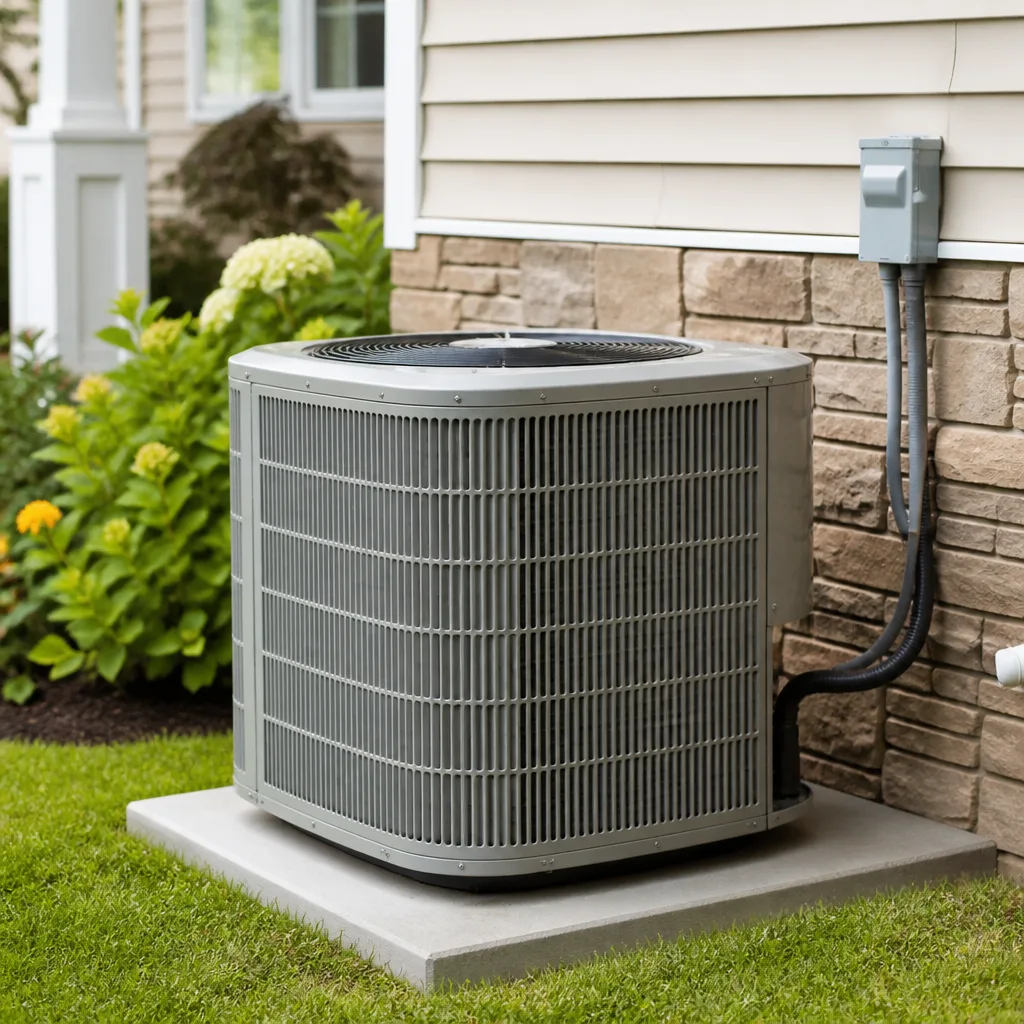 AC repair
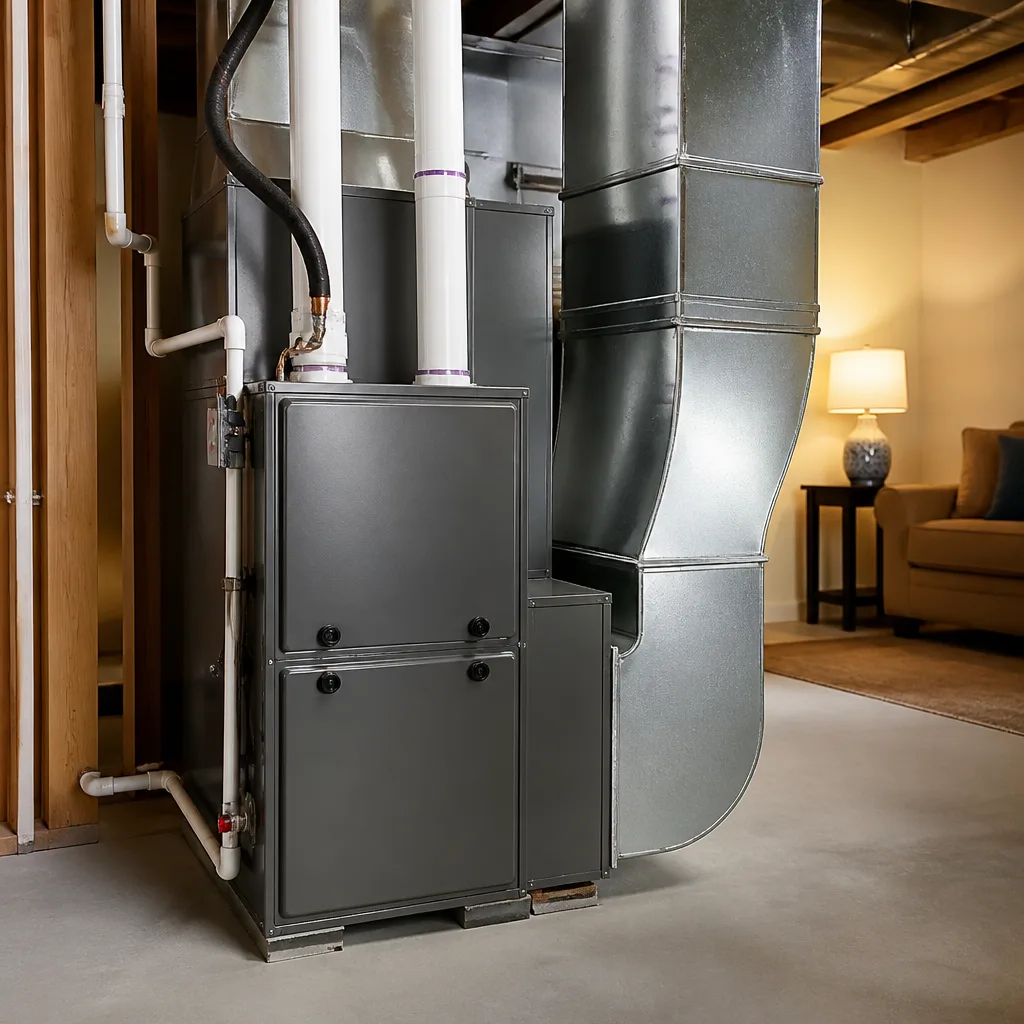 Furnace & heating
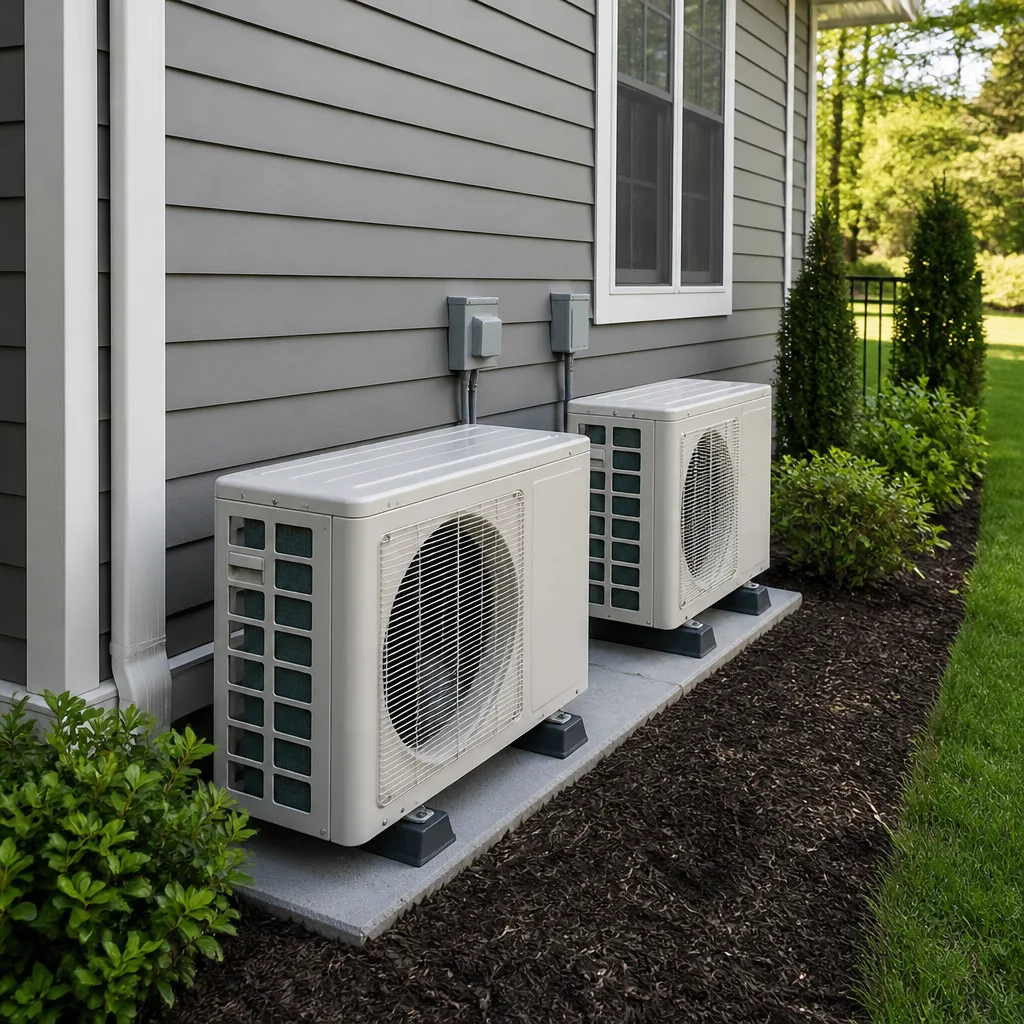 Heat pumps
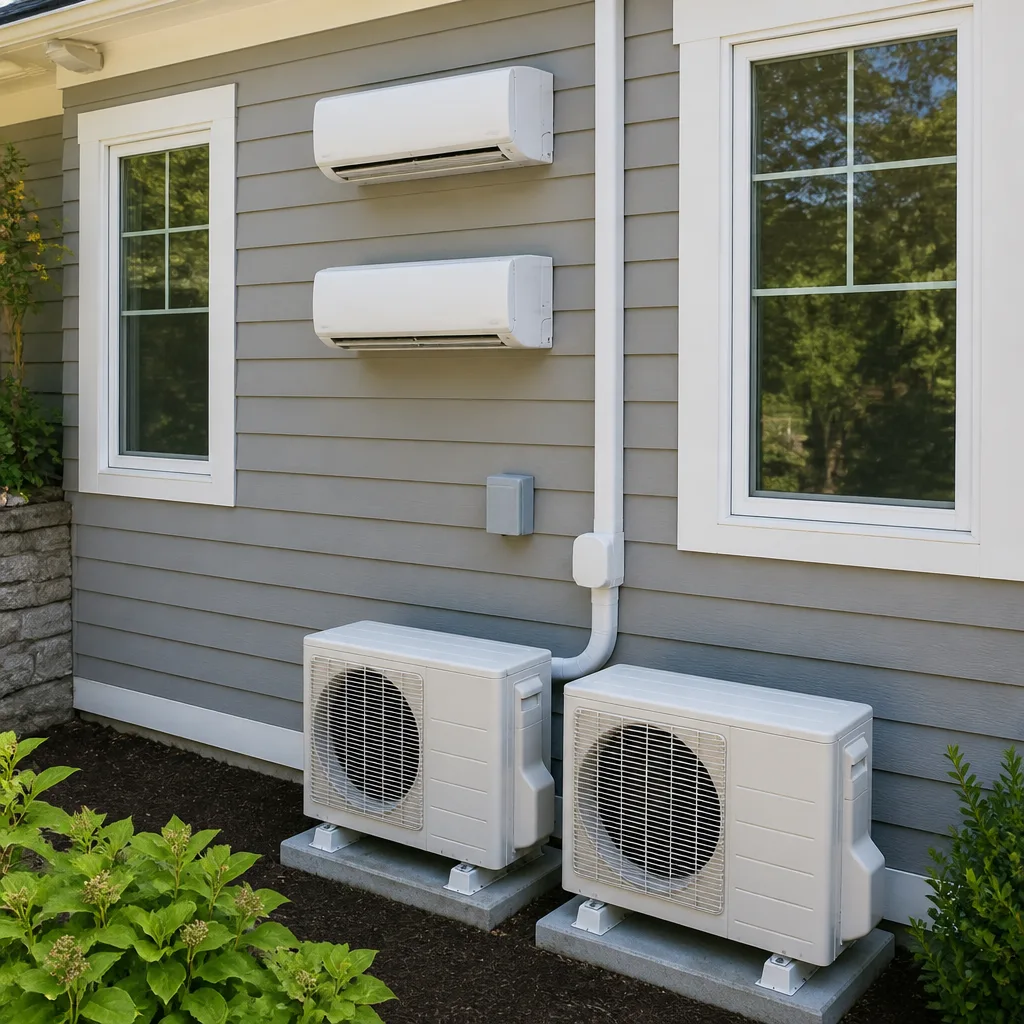 Ductless mini splits
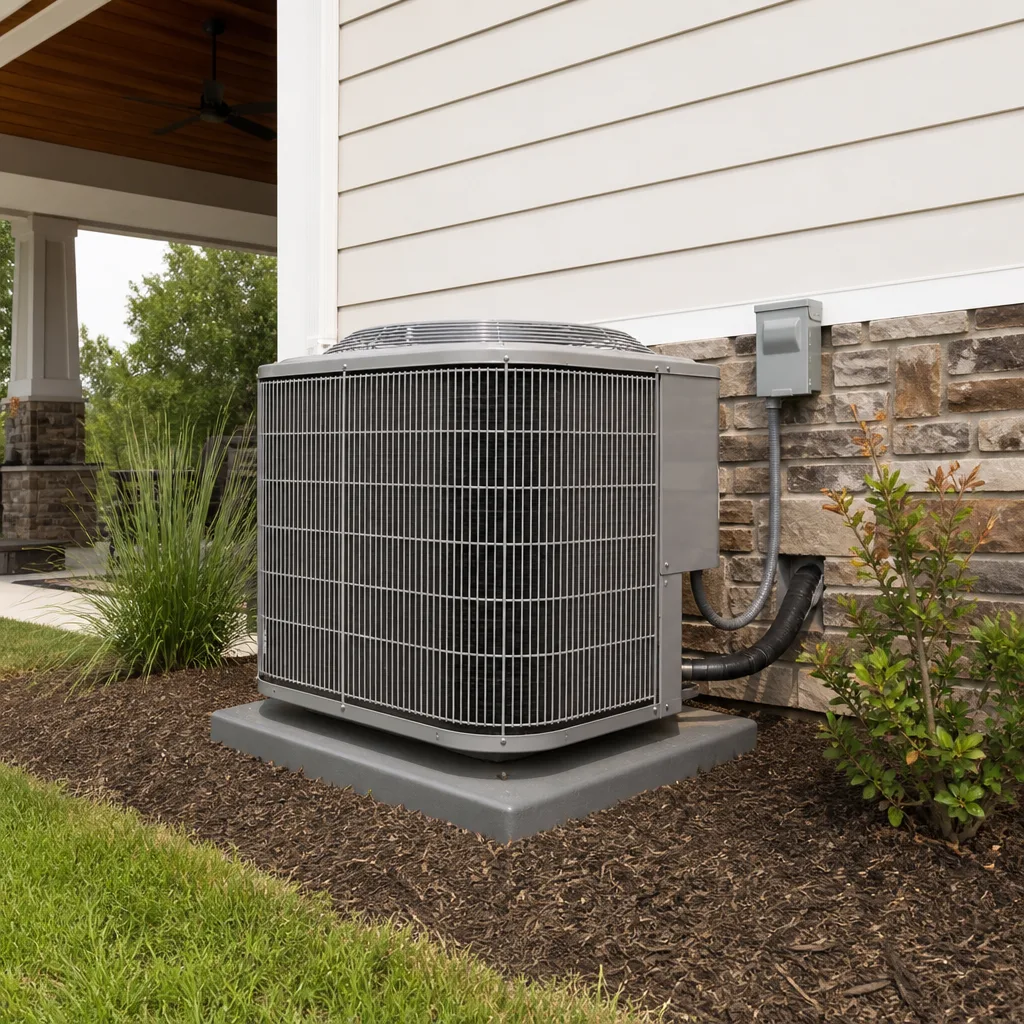 Carrier
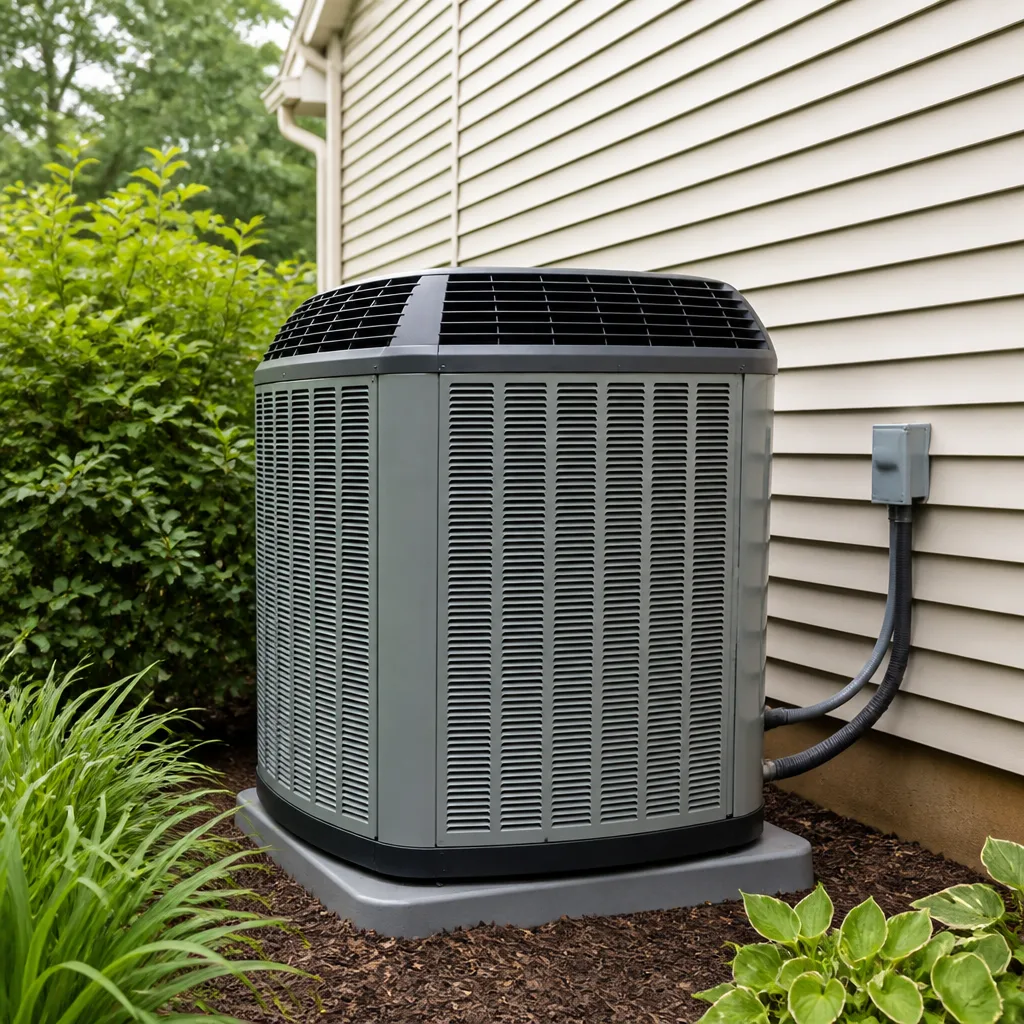 Trane
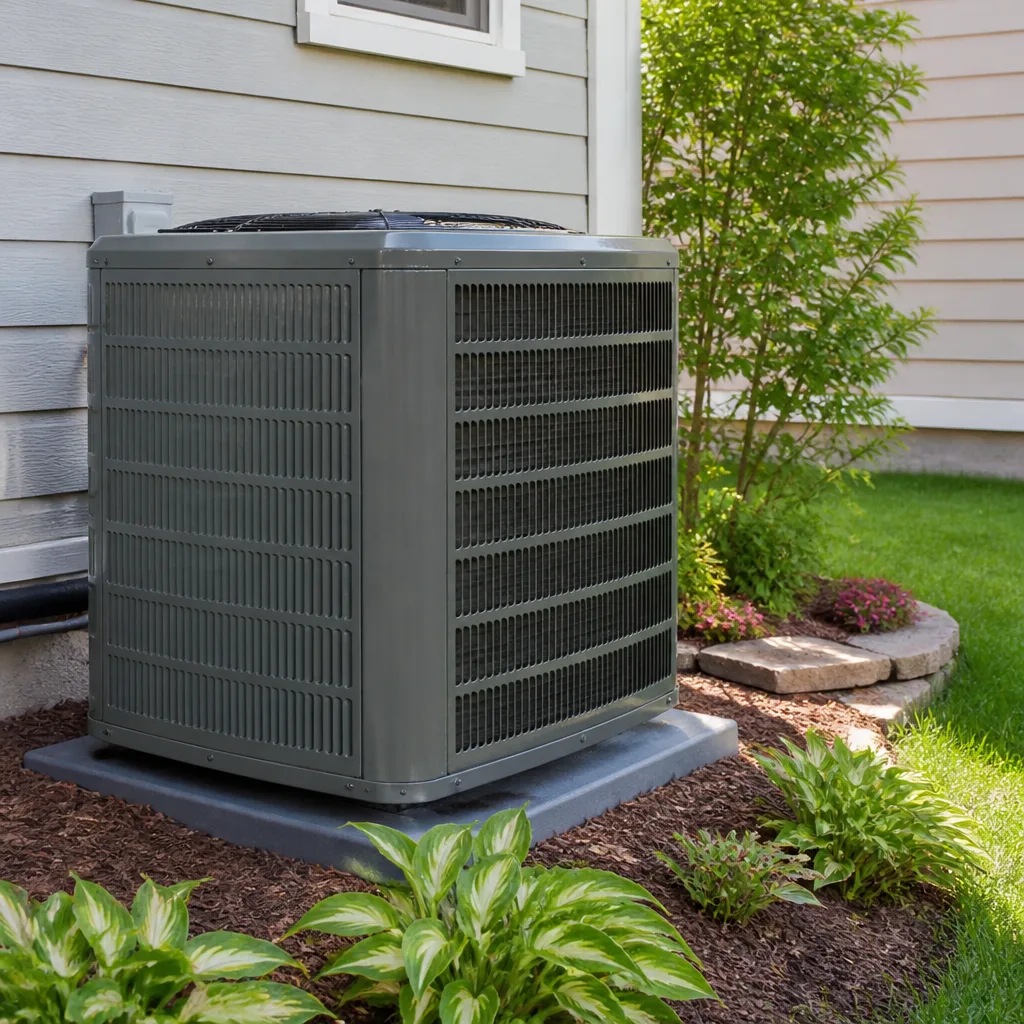 Goodman
Seasonal tune-up and full diagnostic on your Carrier, Trane, or Goodman system - readings shown to you before any repair is proposed
Diagnosis first, numbers second - you approve the repair price before a single part goes in.
Get your free estimateHVAC Emergency Preparedness Guide for Carrollton Homes
Most homeowners think about their HVAC system only when it stops working. That’s the problem. By the time the house is 95 degrees and the air is still, you’re making decisions under stress, guessing at what’s wrong, and calling the first number that shows up in a search. Carrollton’s weather doesn’t give a lot of warning either. A system that ran fine yesterday can quit on the first 100-degree afternoon, and the health risk climbs fast once indoor temperatures do. This guide is about being ready before that happens: the kit to keep, the calls to make, and the way each kind of emergency actually plays out in Carrollton homes. You’ll learn what to do first, what to say to a dispatcher, and what to record so a bad day doesn’t turn into a bad month.
Quick Answer
An HVAC emergency in Carrollton falls into one of two categories, and each needs a different plan. Summer failures are a heat-health problem: indoor temperatures can reach dangerous levels for elderly residents within 4 – 6 hours in a home without working AC, so your job is to slow heat gain and get vulnerable people cool first. Winter failures are a system-damage problem, where the threat is what extreme cold does to your equipment and the plumbing around it. Build a small emergency kit, know your system’s make and model, and call (855) 759-1429. We answer 24/7 with fast dispatch from 7am to 7pm, Sunday through Friday.
Styles & brands we work with
- AC repair
- Furnace & heating
- Heat pumps
- Ductless mini splits
- Carrier
- Trane
- Goodman
Table of Contents
- The Two Kinds of HVAC Emergencies in Carrollton
- Building Your Pre-Season HVAC Emergency Kit
- Heat Emergency Protocol: What to Do When the AC Dies in Summer
- Winter Freeze Preparation for Carrollton Homes
- How to Describe a Failure Over the Phone
- Post-Emergency Documentation and Warranty Protection
- Why Fall and Spring Checkups Prevent Most Emergencies
The Two Kinds of HVAC Emergencies in Carrollton
Treating every HVAC failure the same is a mistake. In our experience, the emergencies that hit Carrollton homes split cleanly into two profiles, and the right response is different for each.
Summer heat events. These are health emergencies first and equipment problems second. When an AC quits during a stretch of highs above 100 degrees, the house doesn’t fail all at once; it cooks slowly. The dangerous window is short, especially for anyone elderly, very young, or managing a chronic health condition. Your plan has to prioritize people over the machine. Getting someone to a cool place matters more than any inspection we could run.
Winter freeze events. Carrollton sits in a part of North Texas where the typical winter is mild but an arctic front can still push temperatures into hard freeze territory for days. The February 2021 freeze pattern is the model. When that happens, the threat shifts: the real damage is to your heating system and the water lines running through exterior walls and the attic. A quick freeze can split a pipe, and repair costs climb faster than the temperature falls. This kind of emergency is about prevention, not reaction.
The practical takeaway: build two protocols, not one. A summer protocol built around people and cooling. A winter protocol built around pipes and equipment protection. The rest of this guide walks through both.
Building Your Pre-Season HVAC Emergency Kit
An HVAC emergency kit doesn’t need to be big, and it doesn’t need to be expensive. It needs to be assembled before you need it, because when the system fails you won’t want to be running to the store. Keep these items together in a single plastic bin, and tell everyone in the house where it lives.
- Spare air filters in your exact size. A clogged filter is one of the most common causes of a system freezing up or overheating. Having the right size on hand means you can swap it the day it loads up, not a week later.
- Condensate drain tablets. A slow or clogged condensate drain is behind a huge share of summer AC failures. Tablets keep the drain line clearer between visits. Drop one in when you change the filter and you’ll prevent a lot of needless shutdowns.
- A written system spec sheet. Use a single sheet of paper listing the make, model number, and rough age of your furnace and AC. Write down the brand even if it means a trip to the label on the outdoor unit. A technician who knows the model before arriving can bring the right parts and look at the right things. It saves real time.
- Emergency contractor contact. Tape a card or printout with the name and number of the company you trust on the inside of the thermostat cover or the air handler door. No fumbling in a blackout.
- A couple of flashlights and fresh batteries. Systems don’t always fail alone. If a storm knocks out power, you want light.
- A thermometer you trust. Knowing actual indoor temps helps you decide when it’s a comfort problem versus a health problem.
That’s it. Six items, maybe $40 to assemble. For a full system picture, our Carrollton AC Repair team can walk you through what failure patterns are typical for your equipment.
Heat Emergency Protocol: What to Do When the AC Dies in Summer
When the AC quits on a 100-degree day, you have a few hours before the house becomes dangerous for anyone vulnerable. Here’s the protocol we’d follow in our own homes.
- Get vulnerable people cool first. If an elderly resident, an infant, or anyone with a heart or breathing condition lives in the house, move them to a cool space immediately. A friend’s house, a library, a mall, a community center. Don’t wait for the technician to arrive.
- Close the house up tightly. Shut every window, close blinds and curtains against direct sun, and seal gaps around doors. Then open interior doors to let whatever cool air remains circulate.
- Run ceiling fans and box fans. Fans don’t cool air, but they help people shed heat. Moving air makes a house feel several degrees cooler than the thermostat reads.
- Stay hydrated with cool (not ice-cold) water. Avoid cooking on the stove or running the oven, dishwasher, or clothes dryer during peak heat. They push the indoor temperature up.
- Watch for warning signs. Confusion, dizziness, nausea, headache, or a stopped sweating are red flags for heat illness. Call 911 if you see them.
- Invoke the city cooling center option. Carrollton and the surrounding communities open cooling centers during extreme heat events, typically at public libraries and recreation centers. If your home becomes unsafe and a technician can’t be on site soon, use them. It’s not an overreaction.
While you’re keeping the house cool, call us. We answer 24/7 with fast dispatch from 7am to 7pm, and we can book a technician to get your AC back before the next heat wave. Estimates are free, and the price is set per job by a written estimate.
Winter Freeze Preparation for Carrollton Homes
Carrollton’s winters are usually mild, which is exactly why a hard freeze catches homeowners off guard. The houses and the plumbing here were built for warm weather. When an arctic front does push through, prepare like February 2021 could happen again.
Pipe exposure points to check before a freeze
- Water lines running through exterior walls, under sinks, or in the attic.
- The exterior hose bibs and any outdoor faucet.
- Lines near the garage door and in any unconditioned crawl space or attic.
- The water heater and washing machine hookups, even when they sit indoors.
Heat tape placement
Heat tape, or heat cable, is a small self-regulating cable you wrap around vulnerable pipe runs to keep them above freezing. It’s most useful on exposed attic lines and short exterior runs. Follow the cable manufacturer’s directions, use a GFCI-protected outlet, and never wrap tape over itself or cover it with insulation rated for a different use. If you’re not sure where your vulnerable runs are, ask a licensed plumber or electrician; this is not a job worth guessing on.
When the heat pump switches to emergency heat
If your home has a heat pump, the auxiliary or “emergency heat” strips kick in during a deep cold snap or if the outdoor unit ices up. That’s normal. What isn’t normal is the emergency heat running for hours at a time with the outdoor fan dead. If it happens, don’t keep the system fighting a losing battle. Call for service. A stuck system in a hard freeze is a much smaller problem than the plumbing it can expose.
If a furnace goes out during a freeze, treat it as an emergency. Our furnace repair service covers Trane, Lennox, Goodman, Rheem, and the other major brands we work on. Grab the model number off the spec sheet from your kit and call.
How to Describe a Failure Over the Phone
The faster the dispatcher understands what’s happening, the faster the right technician arrives with the right parts. These five details make the biggest difference. Have them written down before you dial.
- The make and model. Read them off your spec sheet. “It’s a Rheem” is good; “It’s a Rheem, model number R410A” is better.
- What it’s doing (or not doing). Is the outdoor unit running? Is the indoor blower running? Is the thermostat calling for cool but nothing happens? Is it tripping the breaker repeatedly? Short cycles?
- When it started and what changed. “Woke up to 82 inside” tells a different story than “worked fine until the storm hit.”
- Any unusual signs. Ice on the lines, water on the floor near the air handler, a burning smell, strange noise, anything that looks or smells different.
- Access and occupant details. Gate code, parking instructions, whether anyone in the home has health concerns, and whether pets will be out. This gets the technician to you and inside without delays.
Write these five things down on the spec sheet from your kit and update it every season. It takes five minutes and pays for itself the moment you’re on the phone with a company like Carrollton AC Repair and the dispatcher can route the right technician to you immediately.
Post-Emergency Documentation and Warranty Protection
The repair isn’t finished when the technician drives away. What you record next protects your warranty and can save real money if you ever file an insurance claim.
- Save the invoice and the technician’s notes. A detailed service record that lists what was diagnosed, what was replaced, and the date is what your manufacturer’s warranty department looks for on a future claim.
- Photograph the work. Take a picture of the replaced part, the new serial number, and the general condition of the system. It’s not paranoia; it’s documentation.
- Note the timeline. When the system failed, when you called, when the technician arrived, when it was back running. If the failure was caused by a storm or an outside event, the timeline supports an insurance claim.
- Register any replacement parts. Most manufacturers require registration to keep the parts warranty active. A new compressor or blower motor has its own coverage; losing it because you didn’t register is an unnecessary cost.
- Write down what the technician recommends for next time. If the answer is “stay on top of the filter” or “get the capacitor looked at each spring,” capture it. That history is what makes the next call faster.
One more thing: keep every record even after the system is out of warranty. It’s how you tell the next technician (or the next homeowner, if you sell) what’s been done and when.
Why Fall and Spring Checkups Prevent Most Emergencies
The cheapest emergency is one that never happens. Two short checkups a year, one before cooling season and one before heating season, catch most of the failures that turn into panics.
Spring checkups are about the cooling side: clean the condenser coils, check the capacitor and contactor, verify refrigerant charge, flush the condensate drain, and test the thermostat sequencing. Fall checkups are about heat: inspect the blower, the burners, the exhaust path, and the safety switches, and test the system on a cold morning when you can still get parts.
For homeowners thinking through a full system picture, our ac installation service covers the day the honest answer is replace rather than repair. We’ll tell you when it’s time. A system that trips the breaker, freezes its outdoor unit, or short-cycles repeatedly is telling you something, and it’s better to hear it in October than in the middle of a July heat wave.
Common Mistakes to Avoid
These come up often enough to call out.
- Running a tripped breaker over and over. If the AC breaker trips every time you reset it, stop resetting it. Something is drawing too much current, and repeated hard starts can finish off a compressor. Call for service and leave it off.
- Ignoring an ice-covered outdoor unit. A frozen coil isn’t a sign that the system is working fine. It’s a sign the system is starved for airflow or low on charge. Turn it off and let it thaw completely before you run it again.
- Changing a filter “when it looks dirty.” That’s too late. During a Carrollton summer, filters load up in weeks. Put a date on the filter housing and swap it on a schedule, not by eye.
- Skipping a hard freeze prep step because “it’s 75 outside.” The February 2021 freeze pattern arrived with less warning than most people expected. When a hard freeze is forecast, go ahead and prep like it’s coming.
- Calling whoever is first in the search results. Ask whether they work on your specific brand. A technician who already knows Trane, Goodman, Rheem, or Lennox equipment will diagnose faster than one looking it up mid-visit.
- Failing to record what was repaired. If you can’t tell the next technician what was replaced and when, you’ll pay for the diagnostic twice. Keep the paperwork.
See the difference
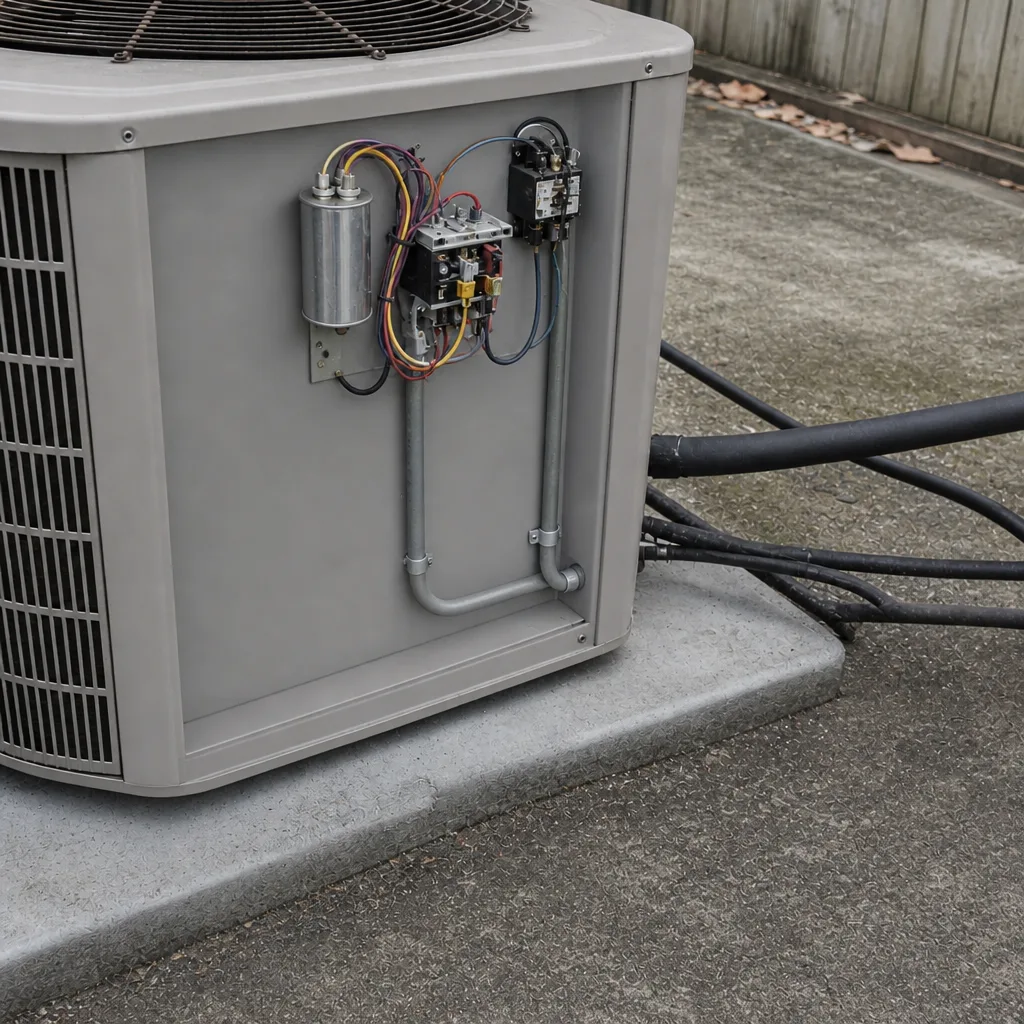
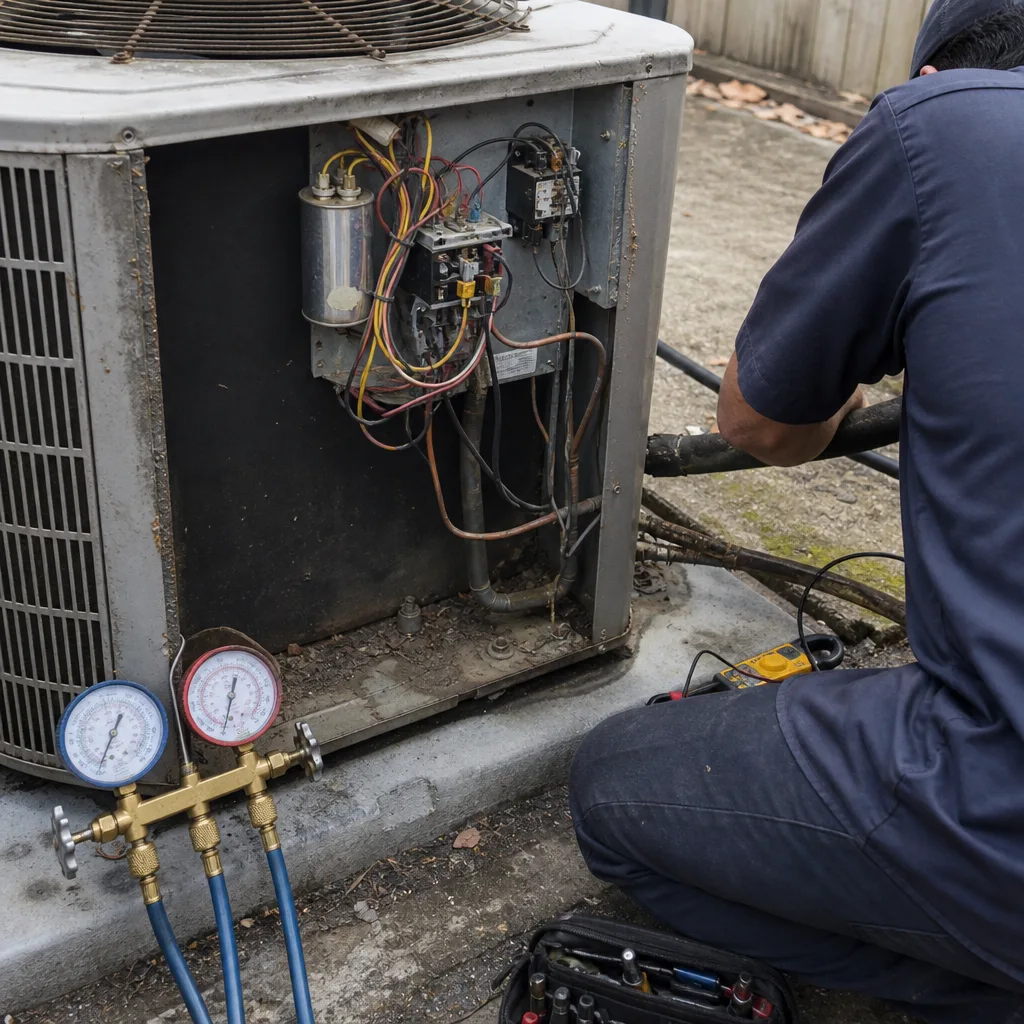 Before
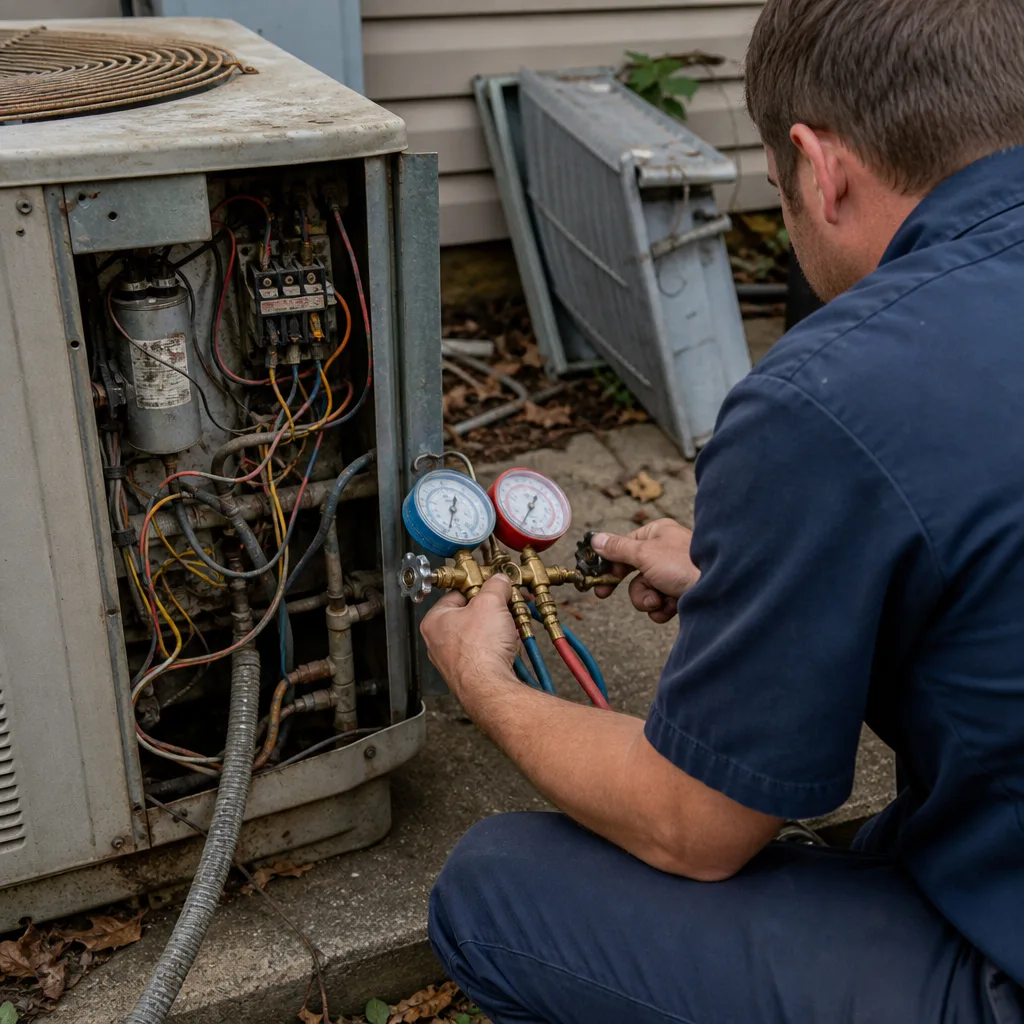
 After
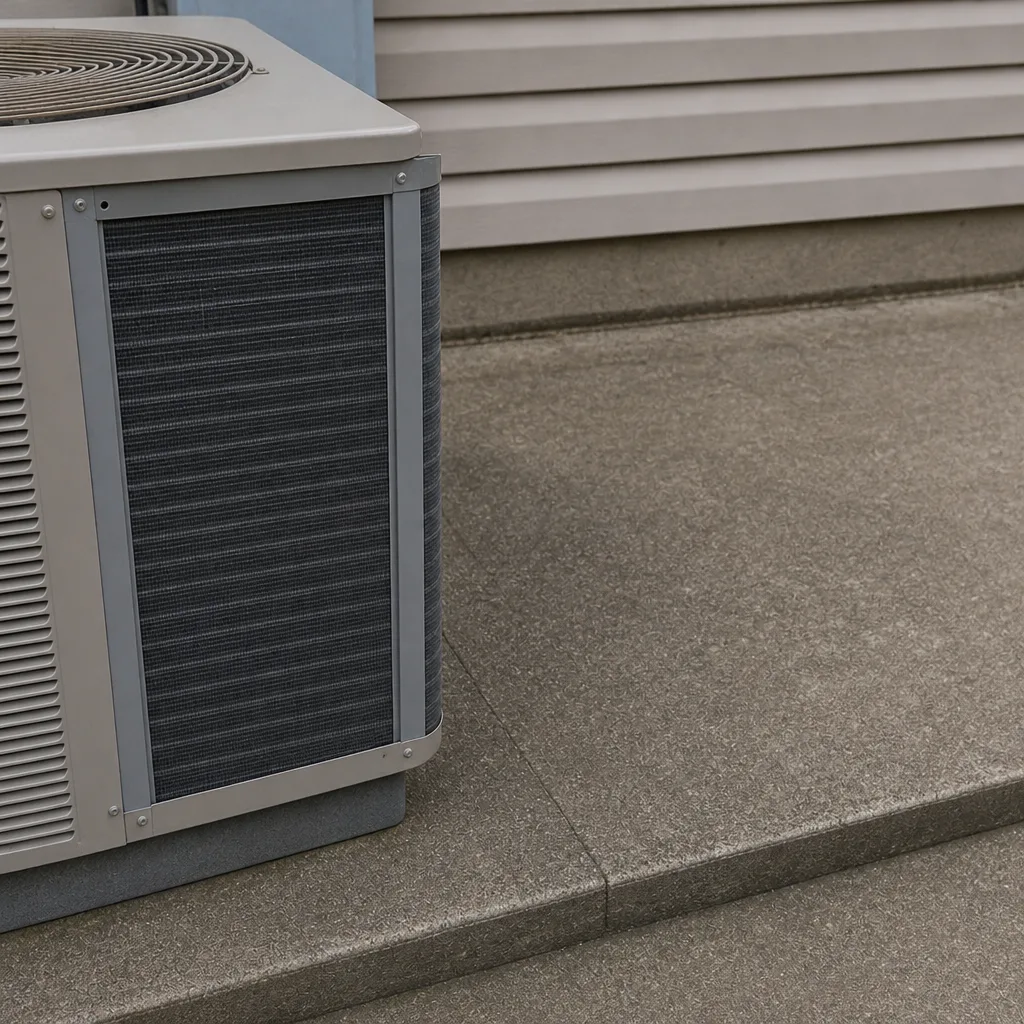
 Before
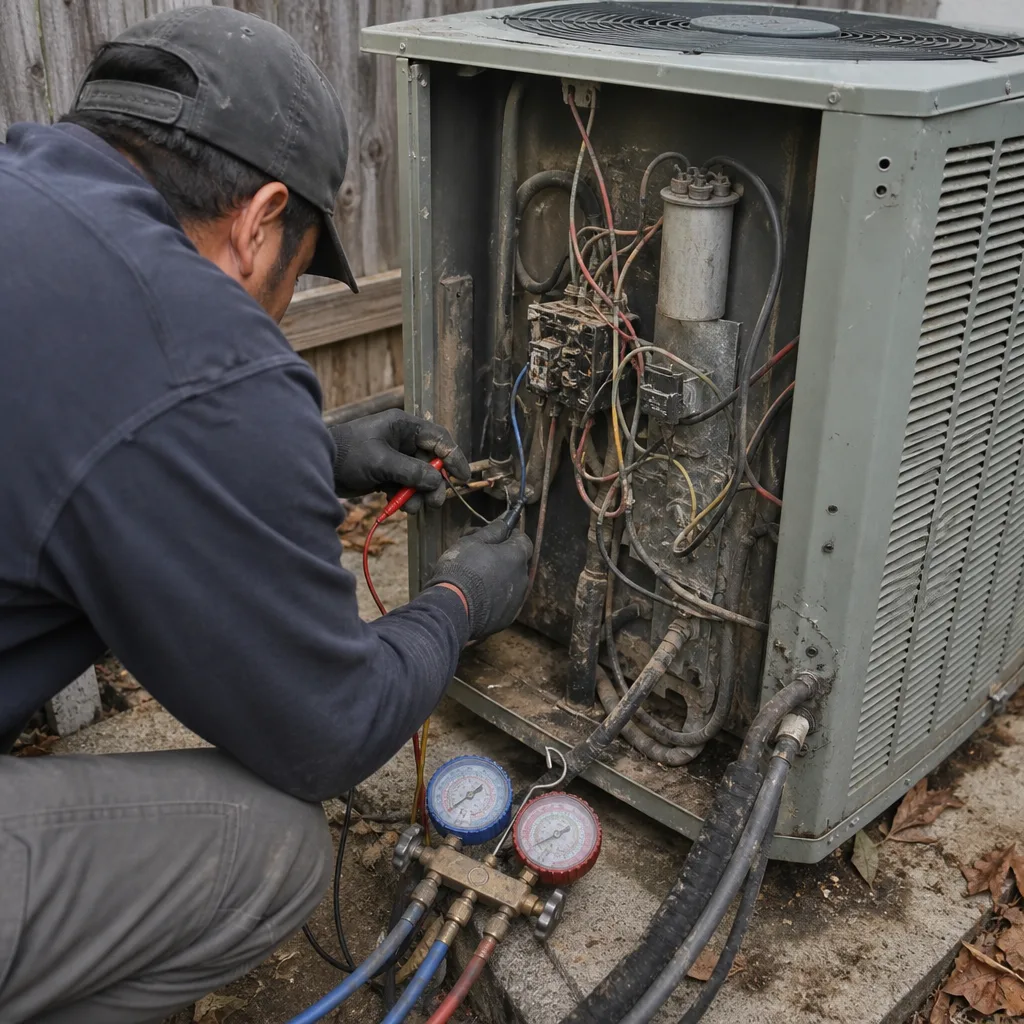
 After
 Before
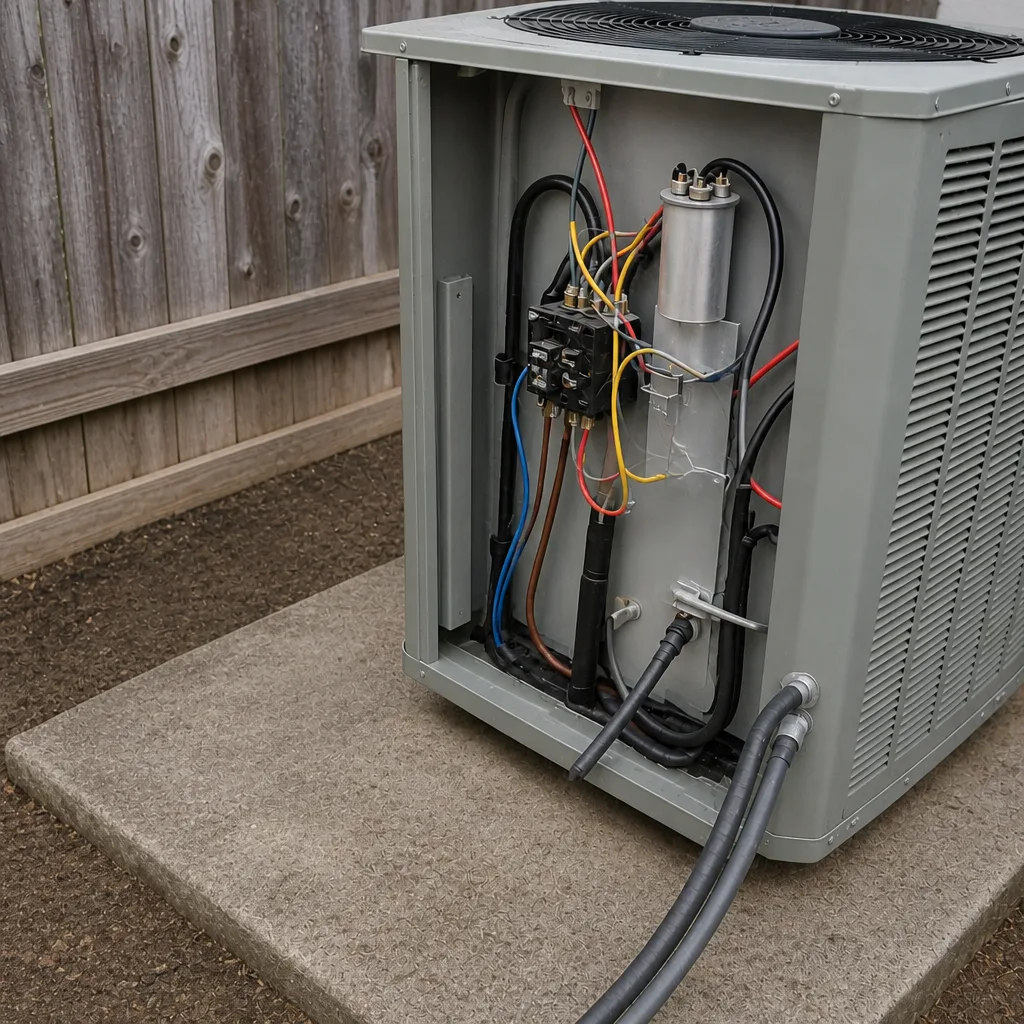 After
When to Call a Professional
Call us when the AC stops cooling on a hot day and the indoor temperature is climbing, when the furnace quits during a freeze, when the outdoor unit is iced over and won’t thaw, when the breaker keeps tripping, or when you see water pooling near the indoor unit. Call if you smell burning or hear a repeated clicking at the thermostat. And call if a resident in the home is in a health-risk category and the system has been down more than an hour. Carrollton AC Repair offers free estimates in Carrollton. Call (855) 759-1429. We answer 24/7 with fast dispatch from 7am to 7pm, Sunday through Friday.
Frequently Asked Questions
Get any vulnerable person (elderly, infant, or someone with a heart or breathing condition) to a cool place immediately, then close the house up, run fans, and call for service. Indoor temperatures can reach dangerous levels within a few hours for people at risk, so humans first, equipment second. Then call (855) 759-1429 so we can get a technician out to you with the right parts.
Yes, we run same-day service for HVAC failures when the schedule allows. We answer 24/7, and a call outside dispatch hours is booked into the next opening, Sunday through Friday, 7am to 7pm. Call (855) 759-1429 and we’ll confirm the soonest technician arrival for your Carrollton home.
No. We price the job by the written estimate for the work needed, and the same estimate applies whether it’s a normal service call or an urgent one. The exact price depends on what’s failing. Call (855) 759-1429 for a free estimate.
We service Carrier, Trane, Lennox, Goodman, Rheem, York, Daikin, Bryant, and American Standard. Our technicians arrive already familiar with those systems rather than learning on the job. If you don’t see your brand on that list, call (855) 759-1429 and we’ll tell you honestly whether we can help.
The system’s make and model, what the system is or isn’t doing, when it started, any unusual signs like ice or water, and gate or parking details. Having the spec sheet from your emergency kit ready cuts the diagnostic time down. Call (855) 759-1429 and we’ll take it from there.
Cover exterior hose bibs, open cabinet doors under sinks on exterior walls, drip the indoor faucets, and wrap vulnerable attic lines with heat tape rated for the job. If you’re not sure where your vulnerable lines are, ask before the freeze hits. If the heat fails during a freeze, call (855) 759-1429 immediately.
The Bottom Line
HVAC emergencies in Carrollton come in two flavors: summer heat events where the danger is to people, and winter freezes where the danger is to your system and plumbing. Different problems, different protocols. Build a small emergency kit, write down your system’s make and model, keep the right number handy, and have a written plan that starts with keeping people cool and ends with saving the paperwork so your warranty and insurance claims hold. The technician experience behind our team (up to 15 years) is here to back that plan up when it’s needed. A little preparation now beats a lot of scramble later. Call (855) 759-1429 for a free estimate.
Written by the team at Carrollton AC Repair.