
Last updated November 15, 2026
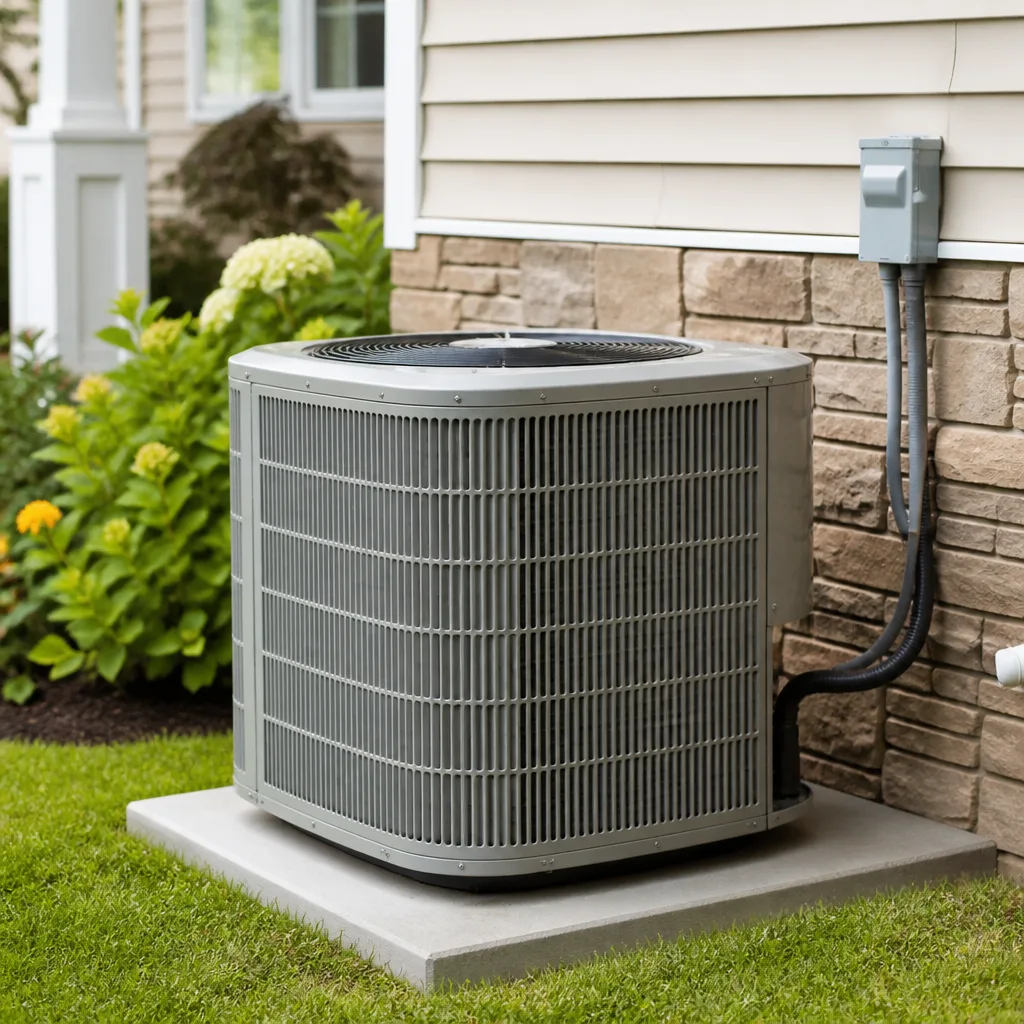 AC repair
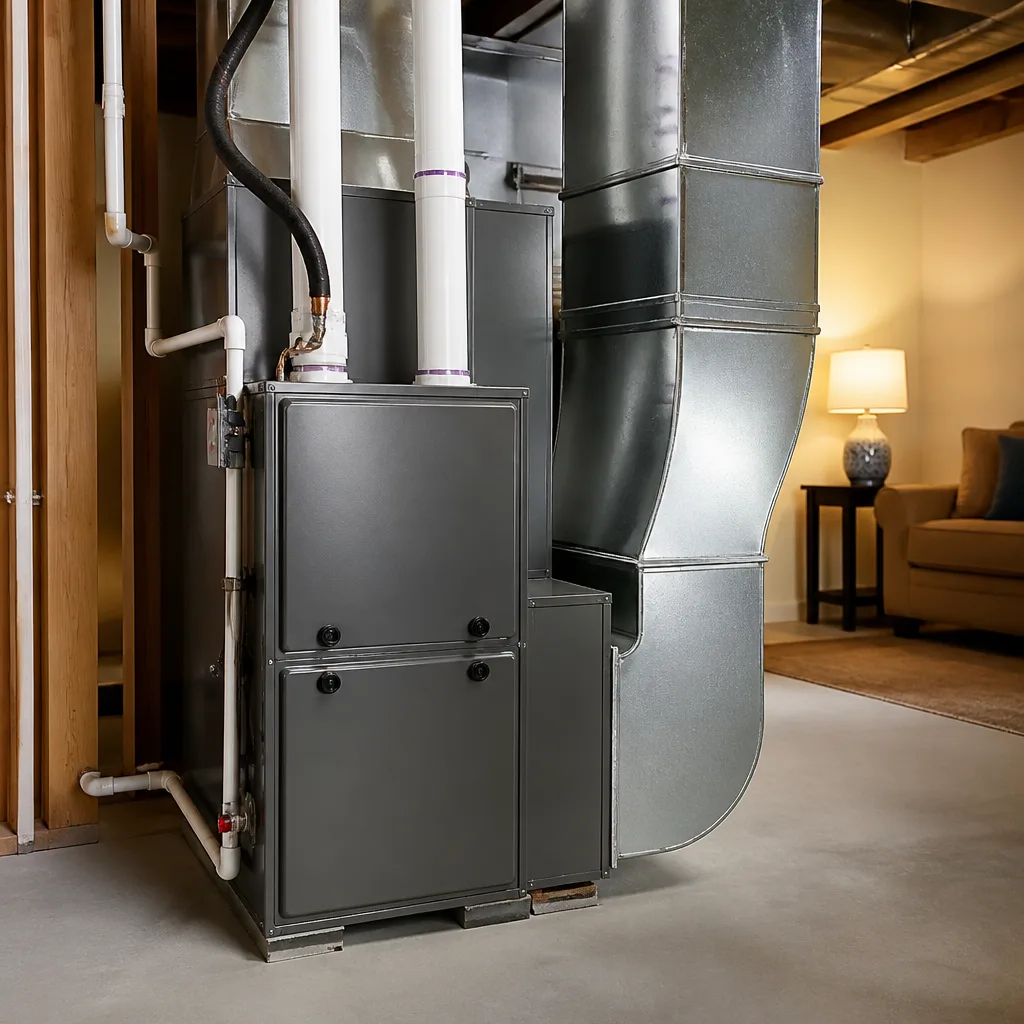 Furnace & heating
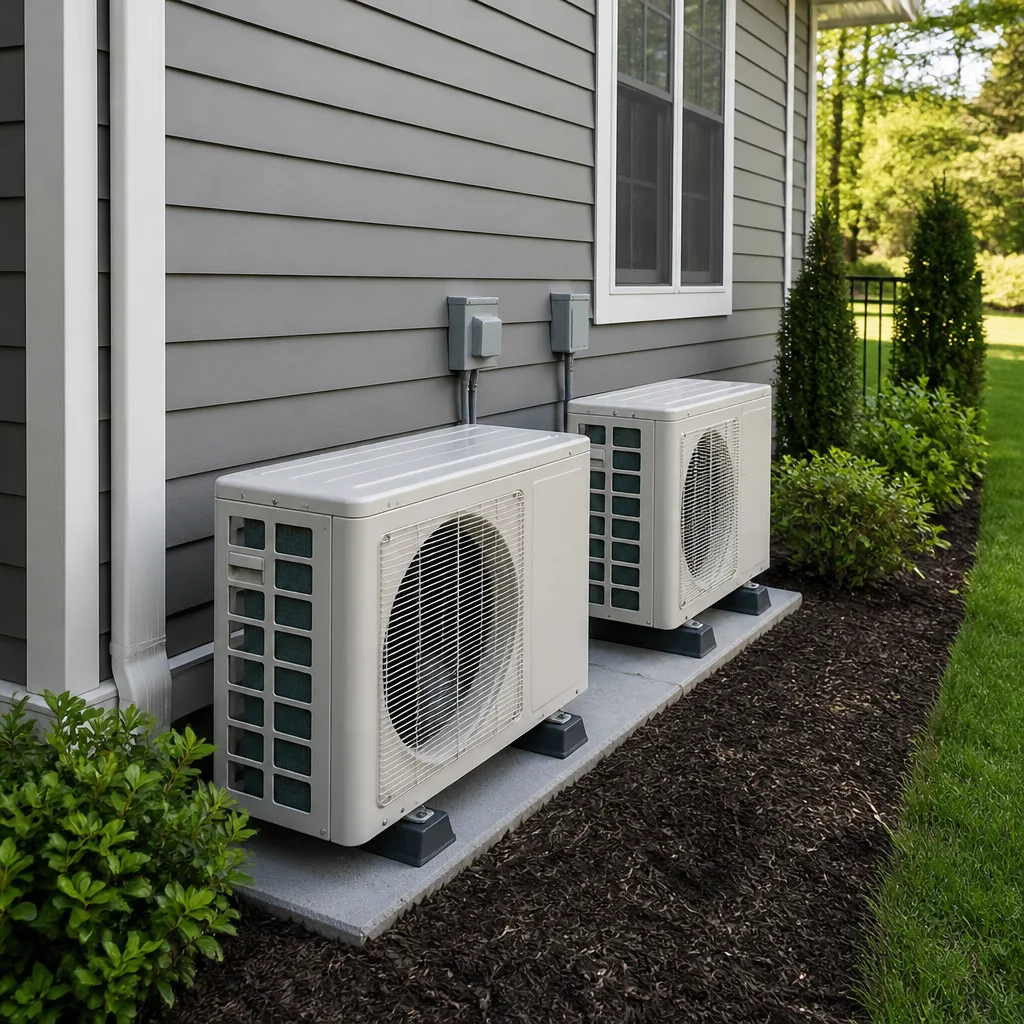 Heat pumps
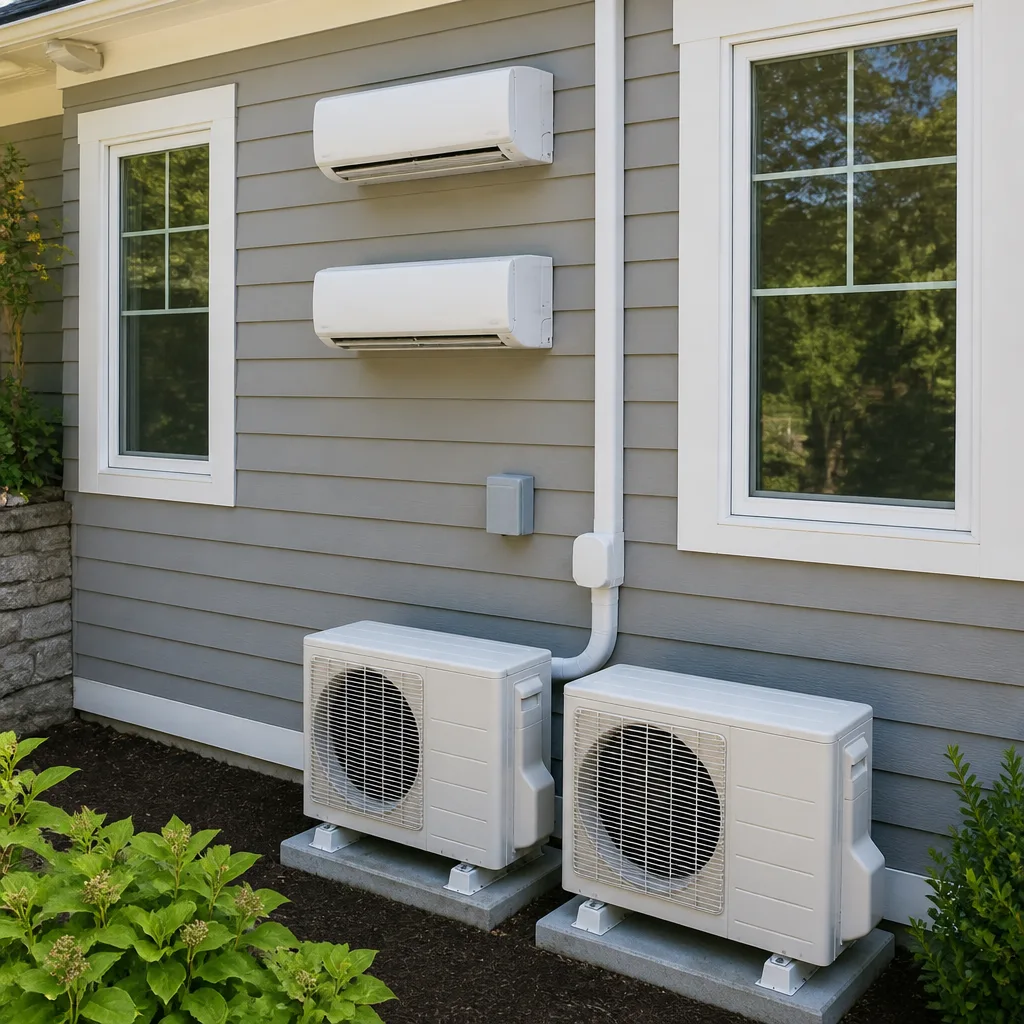 Ductless mini splits
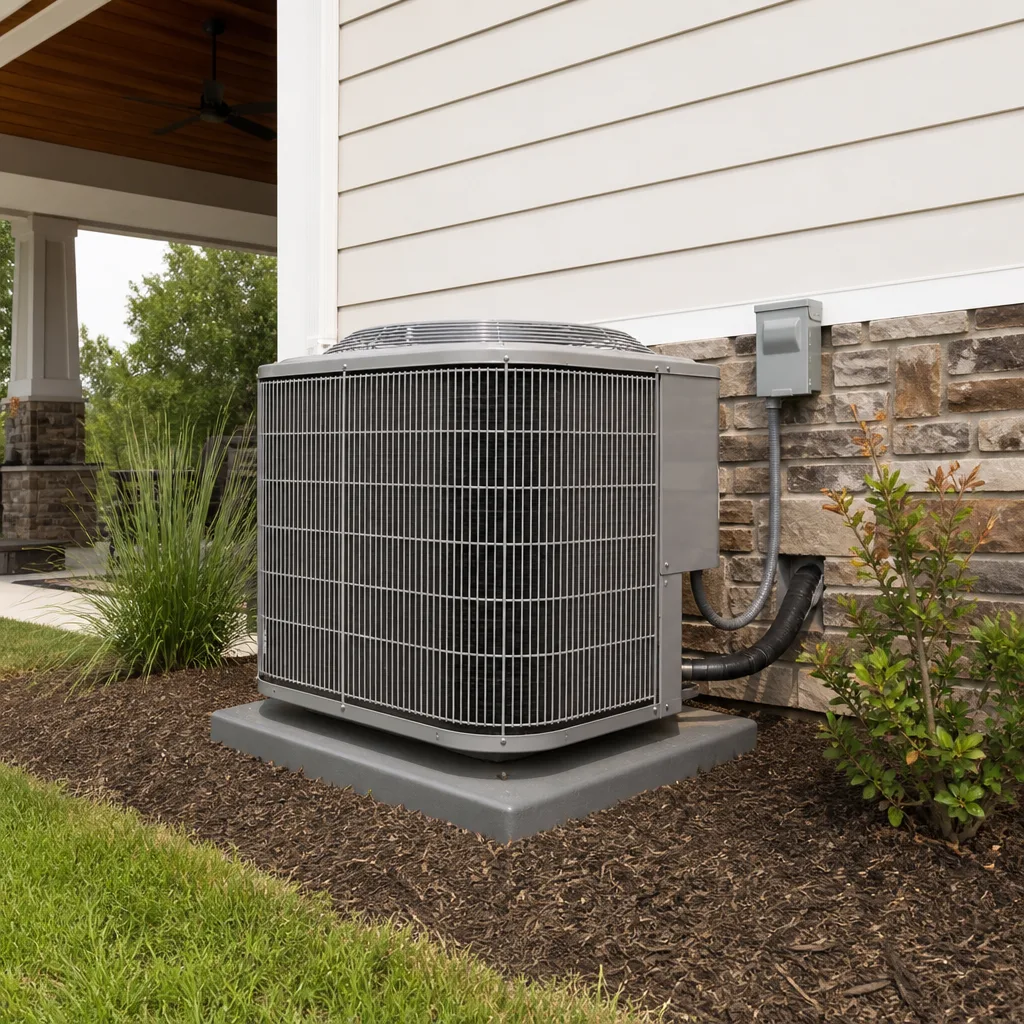 Carrier
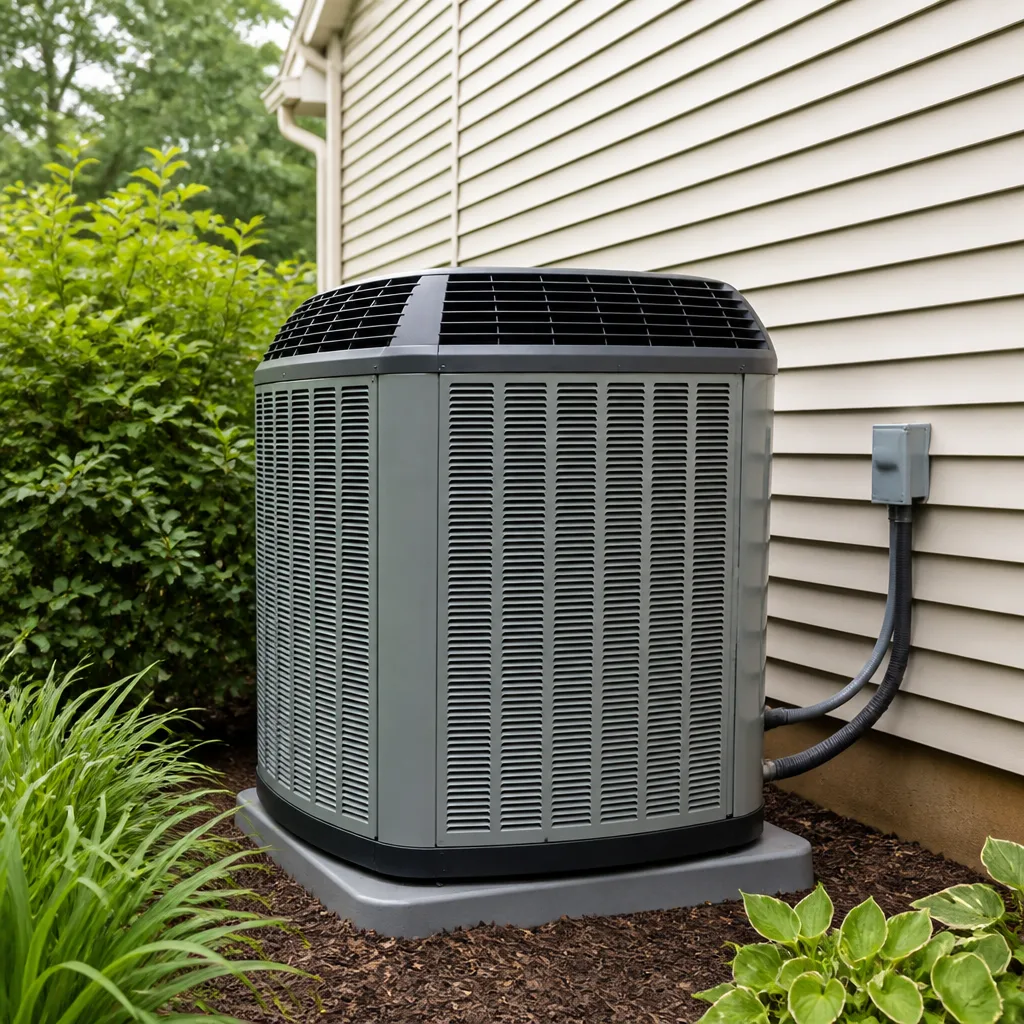 Trane
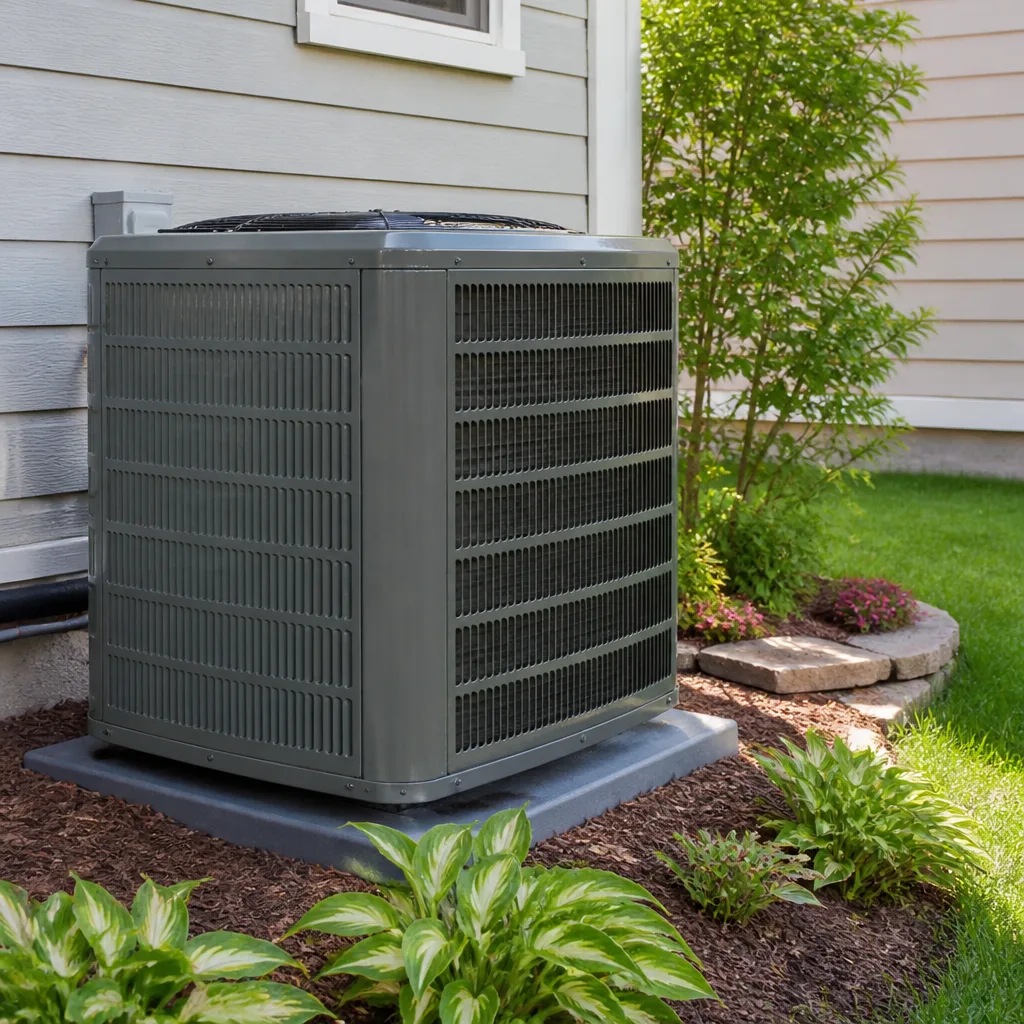 Goodman
Seasonal tune-up and full diagnostic on your Carrier, Trane, or Goodman system - readings shown to you before any repair is proposed
Diagnosis first, numbers second - you approve the repair price before a single part goes in.
Get your free estimateHVAC Cost Breakdown: The Carrollton Homeowner’s Reference for 2026
Two Carrollton homeowners can replace identical 3-ton systems in the same week and receive quotes that sit $4,000 apart. That gap isn’t proof one contractor is dishonest. It’s proof the number on the page is a stack of decisions, and almost nobody explains the stack. The equipment tier, the labor your attic demands, the line set, the electrical work, the permit, the refrigerant your system runs on, and the rebates you claim all move the total. This reference decodes that stack for Carrollton homeowners so you know what you’re actually buying in 2026, and how to compare bids that look nothing alike.
Quick Answer
In Carrollton, a full AC or furnace replacement in 2026 typically lands between $6,500 and $14,000 for a standard split system, with most single-system replacements settling in the $8,000 to $11,000 range once labor, materials, and refrigerant transition costs are included. Packaged units and heat pumps run higher on the equipment side. The written estimate you receive sets your final price, and a free estimate is the only way to know your real number.
Styles & brands we work with
- AC repair
- Furnace & heating
- Heat pumps
- Ductless mini splits
- Carrier
- Trane
- Goodman
Table of Contents
- What Actually Makes Up an HVAC Quote in Carrollton?
- 2026 Price Ranges by System Type and Tonnage
- Why Labor Costs Move So Much in Carrollton
- How to Compare Quotes When Equipment Models Differ
- Repair vs. Replace: The Cost Thresholds That Actually Apply
- R-22, R-410A, and R-454B: What Refrigerant Transition Costs You
- Rebates, Incentives, and Tax Credits for Carrollton Homeowners in 2026
- When to Schedule Replacement in Carrollton
What Actually Makes Up an HVAC Quote in Carrollton?
Every HVAC quote you receive in Carrollton is built from four layers: equipment, labor, materials, and local variables. Most homeowners only see the equipment line because it’s the one with a model number attached. The other three layers are where quotes diverge, and where the $4,000 gap between two bids almost always lives. Understanding the layers lets you read a quote the way a technician does.
Here’s the stack, laid out in order of what tends to drive the most variance:
- Equipment. The condenser, air handler or furnace, and coil. This is the most visible line and often the smallest driver of difference between bids for comparable systems.
- Labor. Removal of the old system, installation of the new one, brazing, vacuum, charge, and startup. Attic access alone can swing this significantly.
- Materials. Line sets, pads, drain lines, thermostats, electrical disconnects, and any duct transitions required to match the new equipment to your existing setup.
- Local variables. Carrollton permits, inspection scheduling, refrigerant handling, and the electrical work your home needs to support the new system.
When a bid feels suspiciously low, it usually skips one of those layers. It might reuse the old line set without checking it, or it might skip the permit, or it might not include the electrical work your panel needs. When a bid feels suspiciously high, it usually bundles premium equipment with premium labor you may not need. Asking the contractor to break the price down layer by layer is the single most useful habit a homeowner can develop. Call (855) 759-1429. We answer 24/7. Fast dispatch from 7am to 7pm, Sunday through Friday.
2026 Price Ranges by System Type and Tonnage
Ranges below reflect typical 2026 estimates for Carrollton homeowners, including equipment, standard labor, and basic materials. They are estimates, not fixed prices. The written estimate from your contractor is the only number that matters for your specific home.
- 2-ton split system replacement: roughly $5,500 to $9,500. Common in smaller Carrollton homes and some older ranch layouts with tighter square footage.
- 3-ton split system replacement: roughly $6,500 to $11,500. The most common residential size across Carrollton and the DFW metro.
- 4-ton split system replacement: roughly $8,000 to $13,500. Often paired with larger family homes and homes with significant attic-driven heat load.
- 5-ton split system replacement: roughly $9,500 to $16,000. Near the top of standard residential capacity and often the point where duct size and electrical service become larger factors.
- Packaged unit replacement (roof or ground level): roughly $7,500 to $13,000. More common in certain Carrollton neighborhoods with limited interior mechanical space, and often includes crane or lift charges.
- Heat pump replacement: roughly $8,000 to $15,000. Equipment cost sits higher than a straight AC, but Carrollton’s mild winters make heat pumps a reasonable fit and the running cost is often closer to the AC side of the trade.
Two things push a quote toward the top of its range: a system changeout that requires a new line set, and an attic configuration that makes the old unit hard to reach. Two things pull it toward the bottom: a like-for-like replacement that reuses existing copper and electrical, and a ground-level or easily accessed mechanical closet. Confirming your current tonnage on the data plate is the first step before requesting any quote.
Why Tonnage Isn’t Just a Size Label
A ton in HVAC isn’t weight. It’s 12,000 BTUs per hour of cooling capacity. An oversized system cools fast, shuts off, and leaves parts of the house humid and uneven in Dallas County’s summer stretch. An undersized system runs nonstop and never catches up. A proper replacement starts with a load calculation, not a guess based on the size of the old unit. Contractors who quote by tonnage alone without a load calculation are leaving a real variable out.
Why Labor Costs Move So Much in Carrollton
Labor is the layer most homeowners can’t see on a quote because it’s usually rolled into a single line. Four things drive labor cost variance in Carrollton specifically, and understanding them lets you spot which bidder is accounting for what.
Attic Accessibility
Most Carrollton homes have air handlers in the attic or a mechanical closet. A clear pull-down stair with 30 inches of clearance around the unit is straightforward. A low-crawl attic with no walkway, ducts running over joists, and a unit tucked into a corner is not. Access drives labor more than most people realize, and if the contractor hasn’t walked your attic before quoting, the quote is an estimate sitting on top of an assumption.
Electrical Work
The new system needs to match your panel capacity. Replacements sometimes require a new disconnect box, upgraded breaker, or a dedicated circuit that wasn’t there for the old equipment. This is where low bids frequently cut corners. It’s also where the electrical safety point matters: a bad connection on a high-draw HVAC circuit is a genuine hazard, and the work belongs with a licensed trade. We flag electrical scope on every inspection so it lands in the written estimate and not in a surprise invoice later.
Line Set Replacement
Reusing an existing line set saves money, but only when the existing copper is clean, sized correctly for the new refrigerant, and free of leaks. Moving an older R-22 system to a modern refrigerant almost always means a new line set, because the old copper wasn’t sized for the newer refrigerant and the mineral oil residue doesn’t mix cleanly with modern lubricants. If the bid doesn’t mention the line set at all, ask directly.
Permits and Inspection
Carrollton, like most Texas cities, requires a permit for a system changeout. The permit covers electrical, mechanical, and refrigerant work, and the inspection is a real step that protects the homeowner. Some bids include it, some don’t. When comparing, confirm the permit line is present and priced. If a bid is silent on the permit, treat that as missing scope, not as savings.
Permit rules change, so confirm current requirements with the City of Carrollton building department before any job starts. We take care of pulling permits as part of AC installation in Carrollton, and we list that line explicitly on every written estimate.
How to Compare Quotes When Equipment Models Differ
Model numbers look like noise unless you know the math behind them. Four competing bids can mean four different SEER2 ratings, four different line set assumptions, and four different labor scopes. The way to compare them fairly is a two-step approach: normalize the equipment, then normalize the scope.
Step 1: Normalize the Equipment by SEER2 and BTU
SEER2 (the current efficiency standard) tells you how much cooling you get per unit of electricity. A 16 SEER2 system uses roughly one-fifth less electricity per unit of cooling than a 13 SEER2 system running under the same conditions, which matters over a decade in a Carrollton summer. When comparing bids, divide the total quote by the SEER2 rating to get a rough cost-per-efficiency figure, then compare those figures instead of the sticker totals. A $9,000 quote on 16 SEER2 and a $7,500 quote on 14.3 SEER2 aren’t the same deal.
Step 2: Normalize the Scope Line by Line
Ask each bidder to confirm, in writing, whether the following are included:
- New line set, or verified reuse of the existing one
- New pad or platform for the outdoor unit
- New electrical disconnect and breaker sizing
- New thermostat or reuse of existing
- Permit and inspection
- Old equipment removal and haul-away
- Duct transitions needed to match the new unit to existing ductwork
- Startup, refrigerant charge verification, and airflow test
Once two quotes are on the same scope, they’re comparable. Until then, they aren’t. This is also where brand familiarity pays off. We work on Carrier, Trane, Bryant, and American Standard equipment regularly, so when we read a quote from another contractor, we know whether the model listed is a real step up or just a different label on similar hardware.
Repair vs. Replace: The Cost Thresholds That Actually Apply
The honest rule most technicians use is a version of this: if a repair costs more than roughly one-third the price of a new system and the existing unit is past ten to twelve years old, replacement usually wins on lifetime cost. Under that threshold, repair almost always makes sense. It’s a rule of thumb, not a law, and the full picture depends on refrigerant type, condition of the rest of the system, and how close the next repair is likely to be.
Here’s how the math typically breaks down in Carrollton:
- Under $1,200 repair on a system under 8 years old: repair. Almost always the right call.
- $1,200 to $2,500 repair on a system 8 to 12 years old: judgment call. Weigh against the next repair. Callback-prone equipment trends toward replace.
- Over $2,500 repair on a system over 12 years old: replacement usually wins. A compressor or coil replacement at this stage puts you into a system that still has the same footprint and age.
- Any R-22 system facing a major repair: replace. R-22 is phased out, the refrigerant is expensive, and the alternative is throwing money into an obsolete setup.
For homeowners facing a furnace repair decision, the threshold is similar. Heat exchanger cracks, control board failures on older furnaces, and blower motor replacements on equipment that’s already logged heavy runtime all land in the same judgment call. We give the honest answer rather than the one that keeps the ticket open, because a repeat customer over twenty years is worth more than a job that wasn’t really needed. Our brand-neutral approach means the recommendation follows the condition of your system, not the margin on any manufacturer’s equipment.
What “Full Picture” Means in Practice
When we look at a repair-or-replace question, we check four things: refrigerant type, age, condition of the coil and air handler, and electrical condition. If three of those four point to replacement, the answer usually follows. If only one does, repair is often the better financial move. The goal is not to sell a replacement. It’s to give you the full picture so you can decide.
R-22, R-410A, and R-454B: What Refrigerant Transition Costs You
Refrigerant is the plumbing of your HVAC system, and the fluid matters more than most homeowners realize. Three refrigerants are relevant to Carrollton homes in 2026: R-22 (the old standard, phased out for new equipment and increasingly expensive to service), R-410A (the intermediate standard, still common in existing systems), and R-454B (the newer low-GWP refrigerant moving into new equipment).
The cost implications are real and worth understanding before you approve a repair:
- R-22 systems still running in Carrollton: if the system needs refrigerant, the cost of R-22 has pushed repair options into unpleasant territory. An R-22 leak that needs a top-off is often the trigger for a full replacement rather than a repair.
- R-410A systems: still serviceable and still common. Repair makes sense on R-410A equipment under ten years old with a clean coil and healthy compressor.
- R-454B systems: newer equipment is being built around R-454B. When you buy new equipment in 2026, expect to see R-454B label lines, and expect the refrigerant handling to be part of the install scope. It’s not a complication, it’s the new normal.
The transition cost sits mostly on the older end of the trade. That’s the practical argument for R-410A systems being the sweet spot for repair, and R-22 systems being the argument for replacement when they spring a leak.
Rebates, Incentives, and Tax Credits for Carrollton Homeowners in 2026
Rebates and tax credits shift the effective price of a replacement by a meaningful percentage, and most homeowners don’t claim everything they qualify for because the paperwork is scattered across utility programs and federal credits. The two categories worth checking in Carrollton are utility and manufacturer incentives, and federal tax credits tied to high-efficiency equipment.
Utility and Manufacturer Incentives
Local electricity providers and equipment manufacturers periodically publish rebates for qualifying high-efficiency systems. Denton County and surrounding utility programs have historically offered incentives tied to SEER2 thresholds, and manufacturer promotions often stack on top of the equipment price through the dealer. The specific figures change, so the reminder is to ask each bidder which incentives they can confirm at the time of the quote, and to confirm current program details directly with your utility provider.
Federal Tax Credits
Federal tax credits for high-efficiency HVAC equipment have been part of the code in recent years, with caps that vary by equipment type. Eligibility is tied to specific efficiency thresholds and to the year the equipment is placed in service. A CPA or tax preparer is the right source for confirming your specific eligibility, because household income, tax situation, and the exact model installed all factor in. We hand every replacement customer the equipment documentation they’ll need to claim anything they qualify for, so the paperwork isn’t missing at tax time.
How to Sequence the Rebate Question
- Get the written estimate first, without a rebate figure folded into the price.
- Ask the contractor to confirm eligible incentives for the specific model you’re installing.
- Confirm the current program details with your utility provider and the program administrator directly.
- Keep the equipment invoice and model documentation from the install for your tax records.
Rebates shouldn’t drive the system choice. They should follow it. If a bidder leads with the rebate and treats the equipment choice as secondary, the number you’re being asked to compare is being managed rather than explained.
When to Schedule Replacement in Carrollton
Timing in Carrollton is about two pressures: heat and humidity in the summer, and scheduling lead times once neighbors start replacing systems at the same time. A system that fails in July is a different job than one you replace in March, and the difference shows up in both the quote and the number of days you wait for install.
The Two Windows That Matter
- Early spring (February to April): the best window for a planned replacement. Scheduling is easier, the attic isn’t a sauna, and you’re not competing with emergency calls.
- October to November: the second-best window. You beat the winter equipment rush if your furnace is aging too, and you can usually get the install completed before the first real cold snap.
Replacement is a scheduled job, not a same-day repair. We quote a written fixed price and confirm a set install date. When the job requires permits and an inspection, we handle the scheduling so you’re not chasing paperwork. If your current system is on its last legs going into summer, the conversation to have with us now is about the replacement, not a band-aid repair you’ll regret in August.
Common Mistakes to Avoid
- Comparing quotes that don’t cover the same scope. A lower number often means a smaller scope. Confirm line set, electrical, permit, thermostat, and haul-away are all on the same footing across bids before comparing totals.
- Buying by tonnage instead of load calculation. Two Carrollton homes with the same square footage can need different tonnage depending on window orientation, insulation, and attic ventilation. A quote without a load calculation skips the step that determines the right size.
- Skipping the permit to save a few hundred dollars. The permit protects you on inspection and resale. A job without a permit becomes a disclosure problem and can void equipment warranties when it’s discovered later.
- Reusing an old line set without verification. Some line sets can be reused when the refrigerant matches and the copper is clean. Some can’t. If a bidder doesn’t mention checking it, ask.
- Chasing the cheapest bid when the scope is missing. The lowest number is often the smallest scope. Compare line by line, not top line to top line.
- Ignoring the furnace when replacing AC. New AC equipment pairs better with a compatible furnace and air handler. If your furnace repair history suggests the heating side is close behind, plan both at once.
- Forgetting rebate documentation. Once the equipment is installed, the model documentation has to actually reach the tax file. If it’s lost, the credit is often lost with it.
See the difference
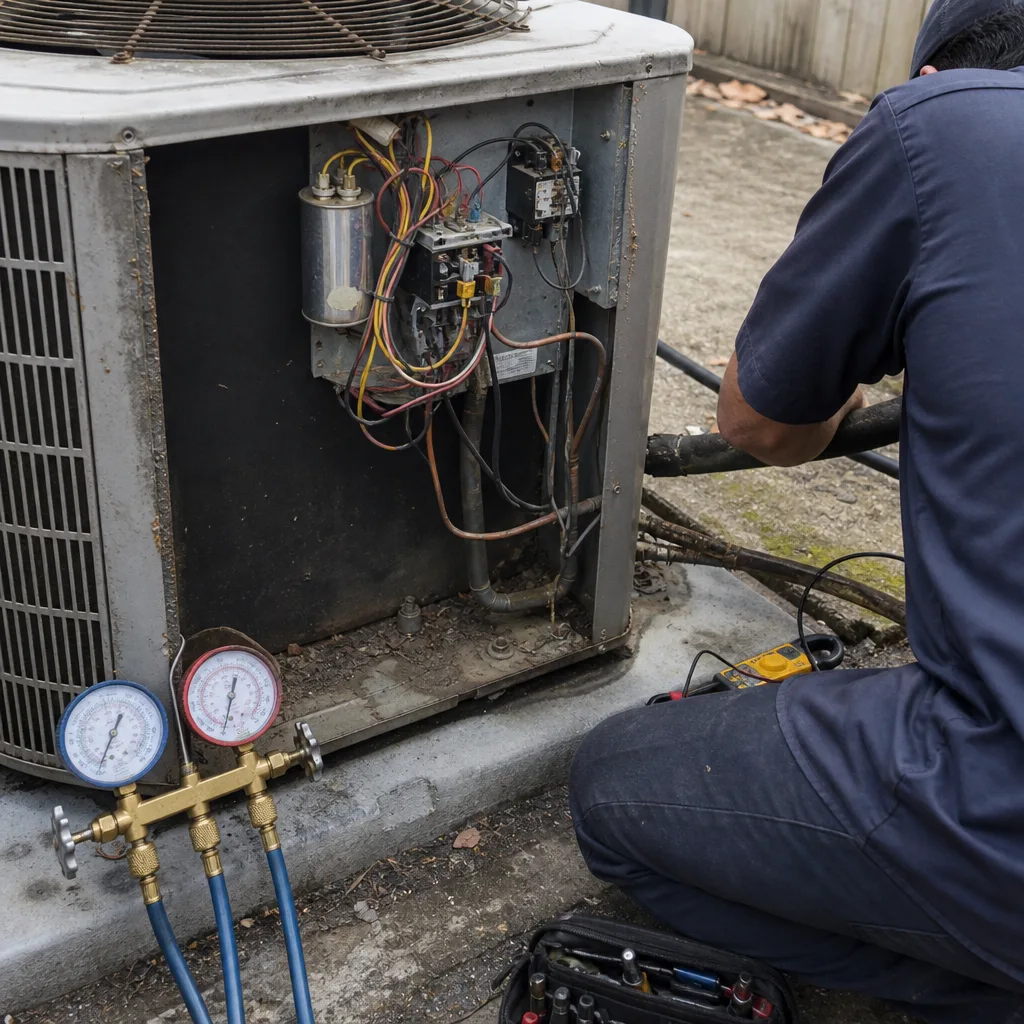 Before
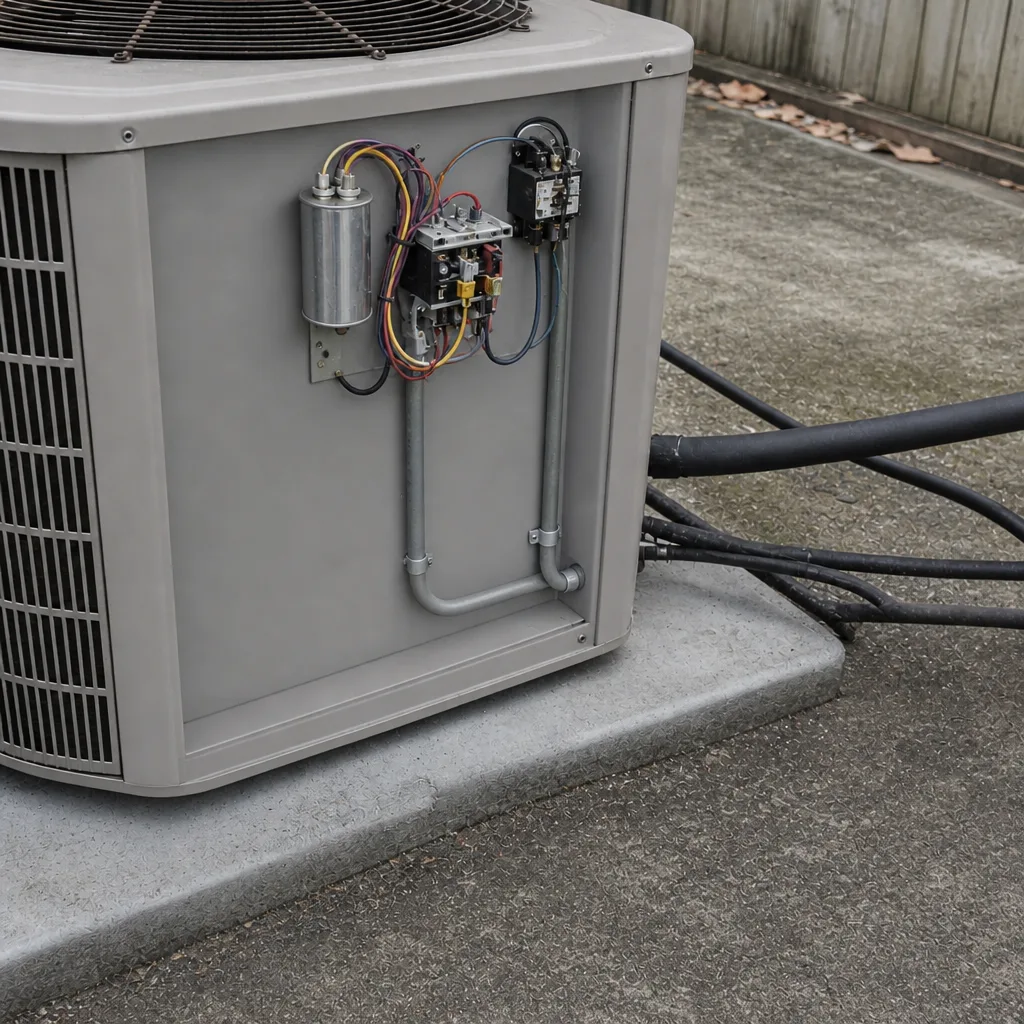 After
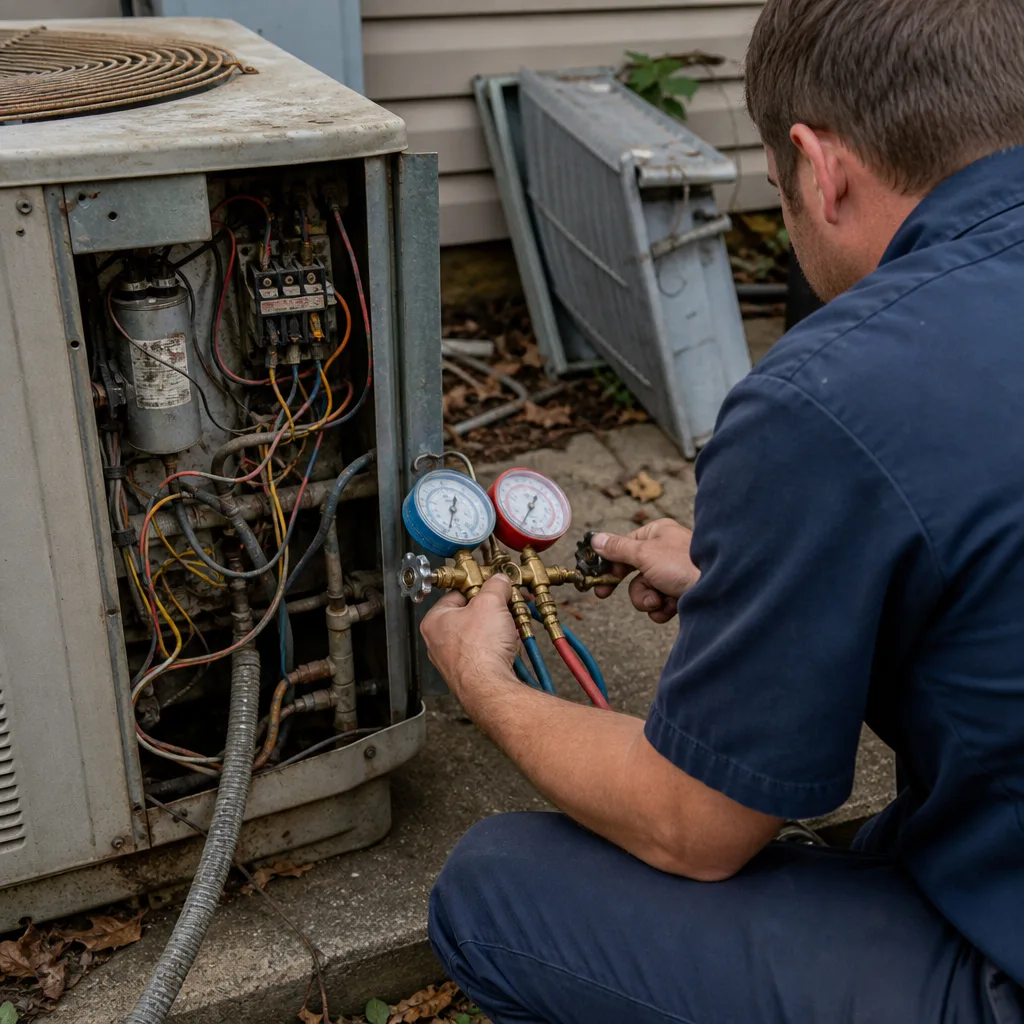 Before
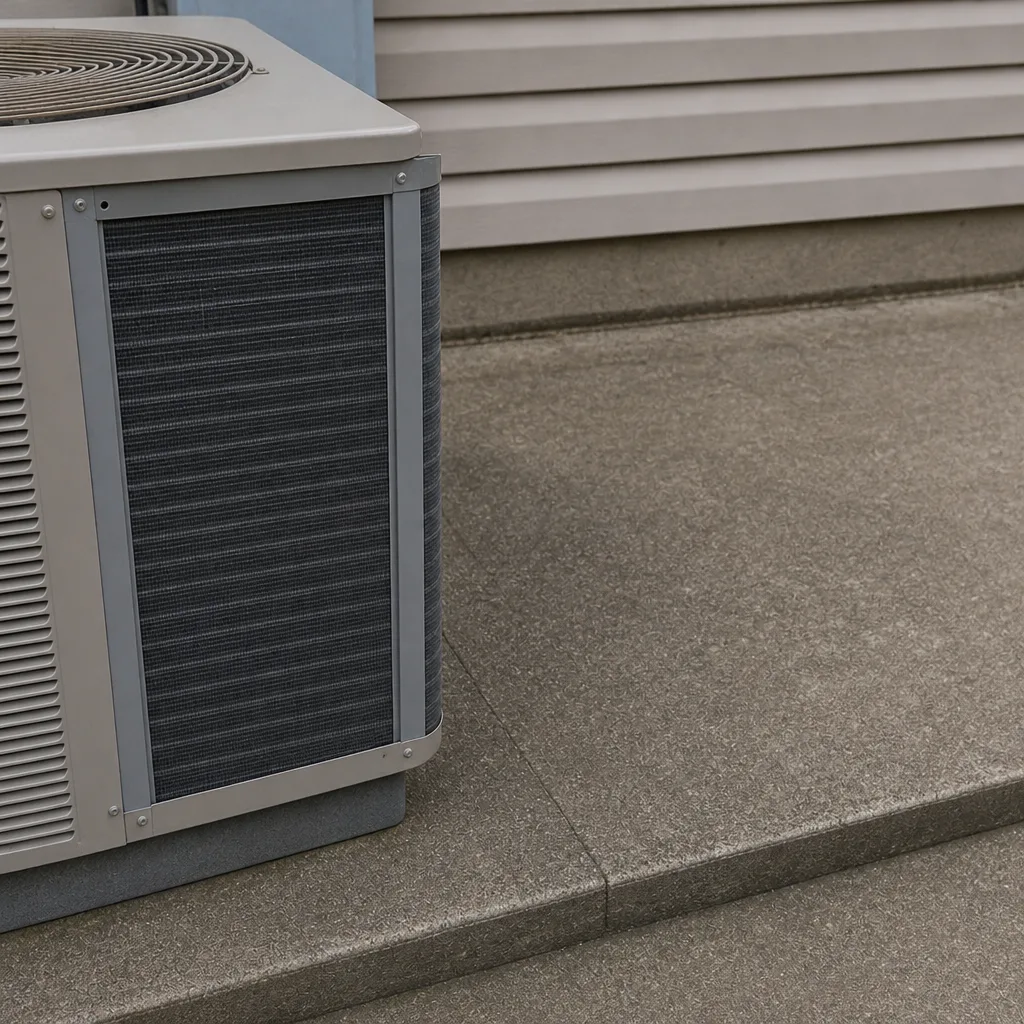 After
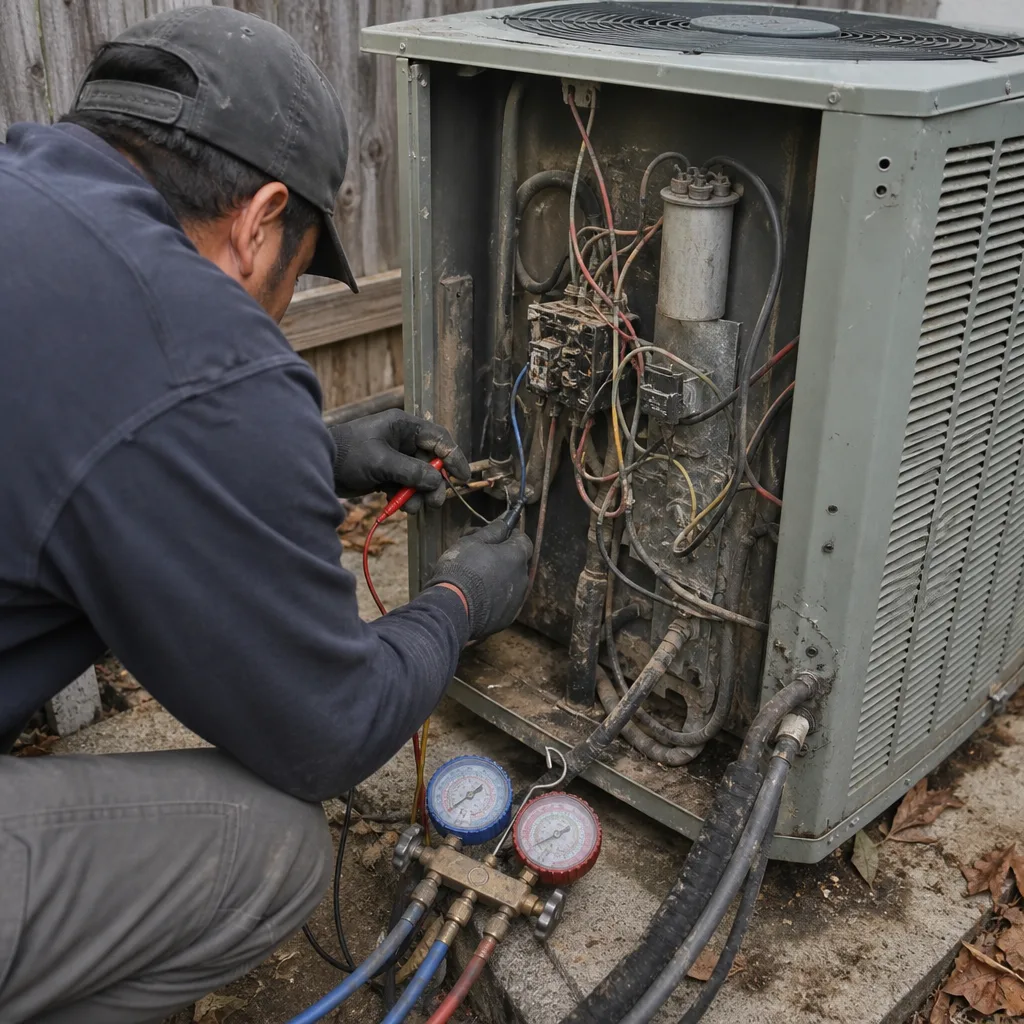 Before
 After
When to Call a Professional
Some HVAC issues are genuinely DIY: replacing an air filter, resetting a tripped breaker, cleaning the area around the outdoor unit. The rest aren’t, because they touch refrigerant, high-voltage electrical, or gas. Call a professional when your system blows warm air, when the outdoor unit won’t spin up, when you hear a metallic or grinding noise, when refrigerant lines frost over, when the breaker keeps tripping, or when you smell gas near a furnace. Those signals can mean a compressor failure, an electrical fault, or a gas leak, and none of them are worth handling without training and licensing. An aging system that needs its second major repair in a year or two is also a professional conversation, because that’s the point where the full picture matters more than the next patch. Carrollton AC Repair offers free estimates in Carrollton and surrounding areas in Carrollton. Call (855) 759-1429. We answer 24/7. Fast dispatch from 7am to 7pm, Sunday through Friday.
Frequently Asked Questions
A typical 3-ton split system replacement in Carrollton runs about $6,500 to $11,500 in 2026, including equipment, standard labor, materials, and permit. Larger 4- and 5-ton systems and heat pumps push the range to $8,000 to $16,000. The written estimate you receive sets your final price, so call (855) 759-1429 for a free estimate.
Yes. We work on Carrier, Trane, Bryant, and American Standard equipment, along with Lennox, Goodman, Rheem, York, and Daikin, so technicians arrive familiar with the system already in your home. That brand familiarity matters most on diagnosis, because the answer should follow what your system actually needs, not what a manufacturer wants to sell.
Replace if the repair is over $2,500 and the system is over 12 years old, or if the system uses R-22 refrigerant and needs any kind of significant refrigerant work. Under those thresholds, repair usually wins financially. The full picture depends on refrigerant type, coil condition, and how close the next repair is likely to be.
A heat pump typically costs $1,500 to $3,500 more than a comparable straight AC on the equipment side. Carrollton’s mild winters make heat pumps a reasonable fit, and the running cost in heating season is often close to AC territory. Whether it makes sense depends on your existing setup and what your furnace would cost to replace separately.
No, and no honest contractor can. Replacement is a scheduled job that requires the equipment to be ordered, permits pulled, and an install window set. We quote a written fixed price and a set install date. For urgent repair on a failed system, call (855) 759-1429 to schedule the next available opening Sunday through Friday, 7am to 7pm.
Yes, high-efficiency equipment can qualify for local utility rebates and federal tax credits, but the specific amounts vary and eligibility is tied to the model installed and your tax situation. We’ll confirm which incentives apply to the equipment we’re quoting, and a tax preparer is the right source for federal credit questions. Call (855) 759-1429 for a free estimate.
The Bottom Line
HVAC pricing in Carrollton isn’t one number, it’s a stack. Equipment, labor, materials, and local variables like attic access, electrical scope, line set condition, permits, and refrigerant transition all move the total. The way to compare bids honestly is to normalize the scope first, then compare the cost-per-efficiency figure. Repair vs. replace usually comes down to a simple threshold: heavy repair plus age plus refrigerant type. Rebates and credits follow the system choice, not the other way around. Read the written estimate line by line, ask what’s included, and don’t let a lower total hide a smaller scope. That’s the whole game.
If you’re ready for a real number for your home, call (855) 759-1429. We answer 24/7. Fast dispatch from 7am to 7pm, Sunday through Friday. Estimates are free, and the price is set per job by the written estimate.
Written by the team at Carrollton AC Repair.