
Last updated November 15, 2026
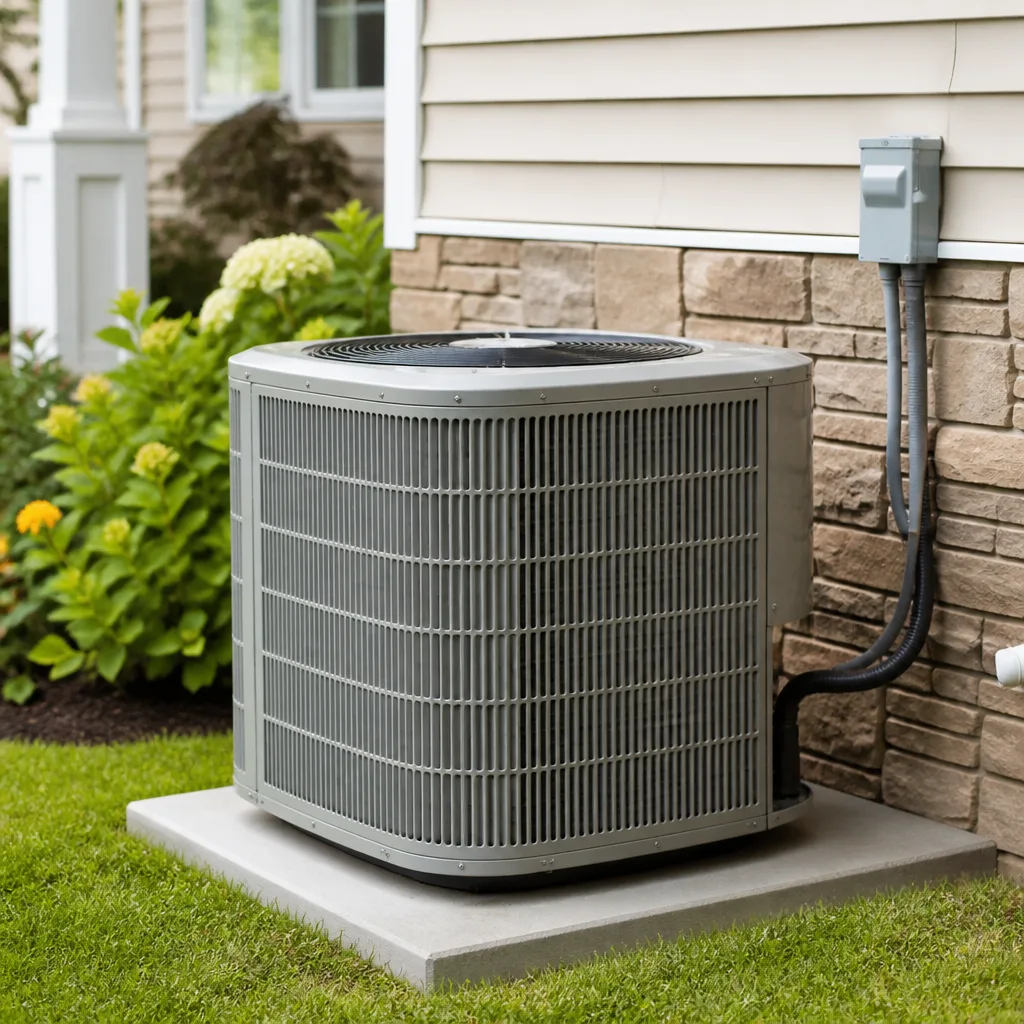 AC repair
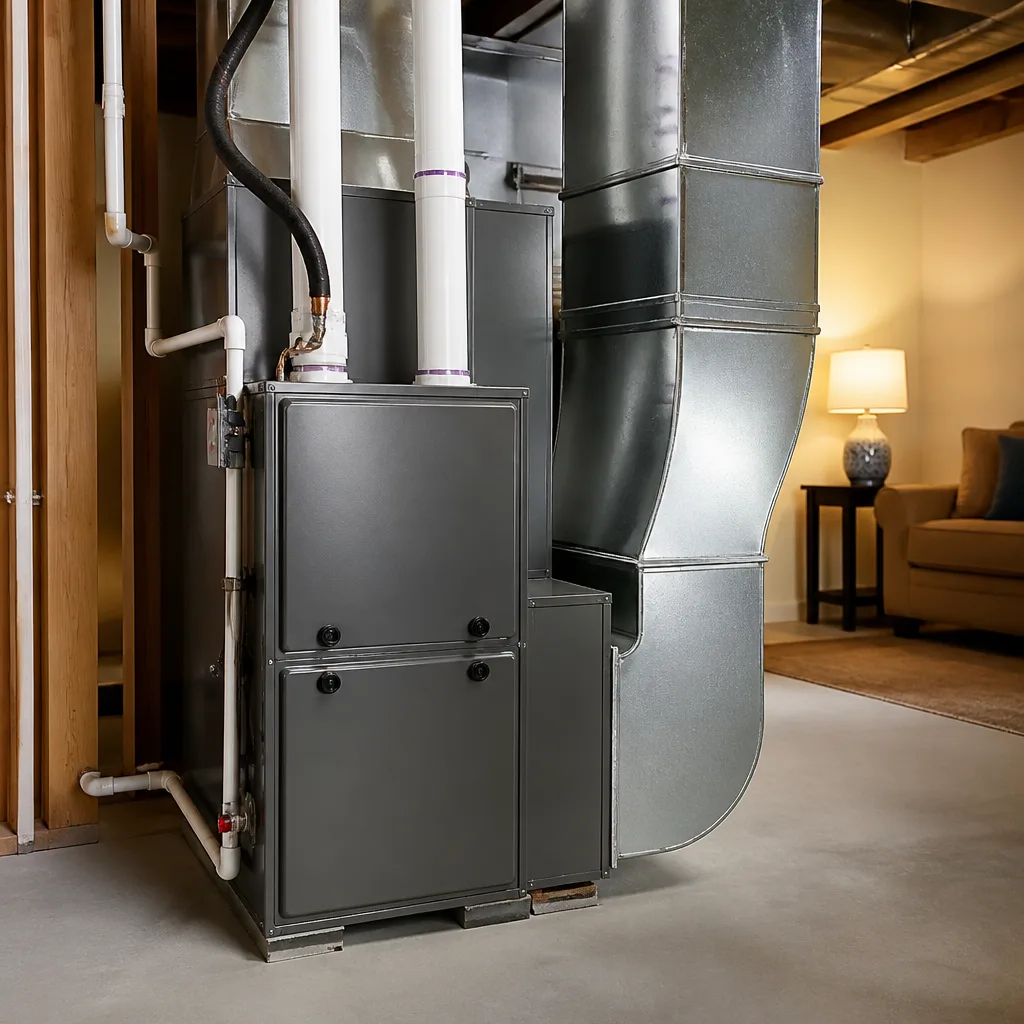 Furnace & heating
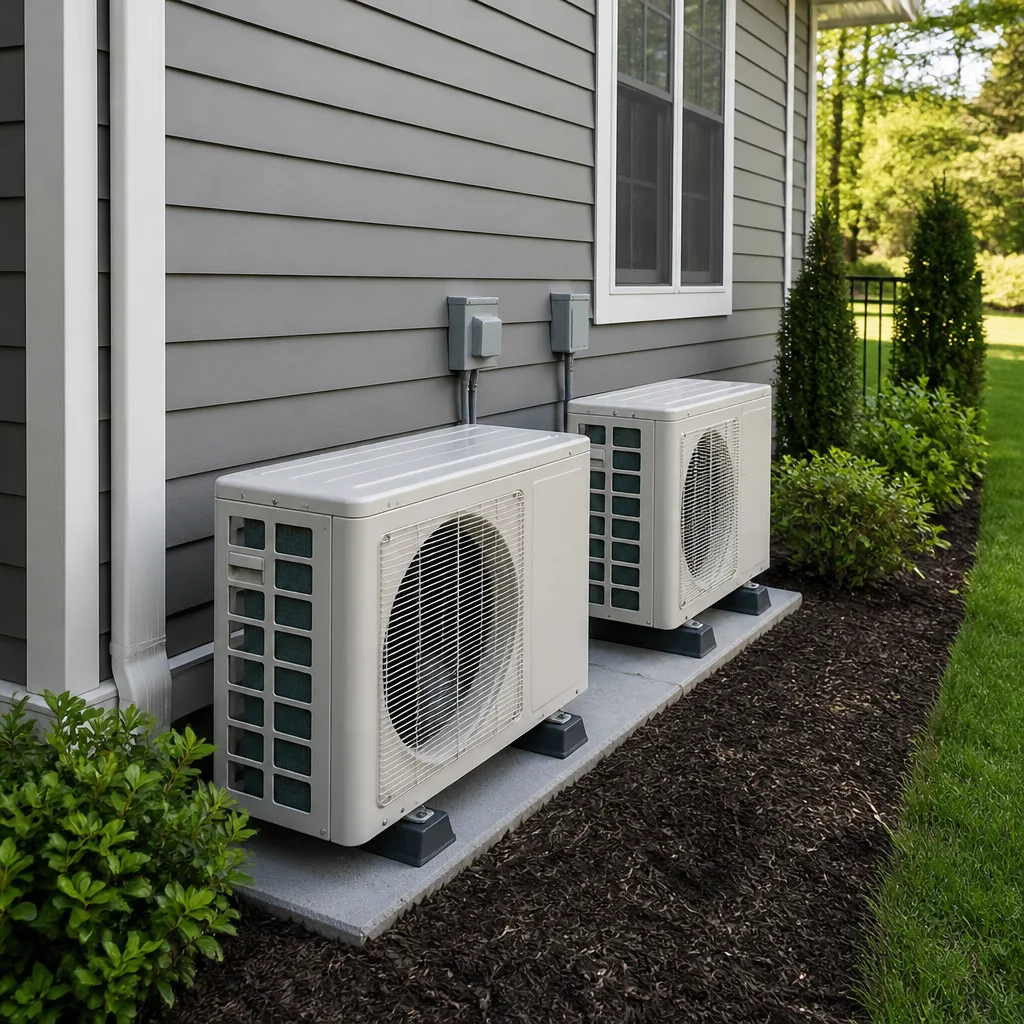 Heat pumps
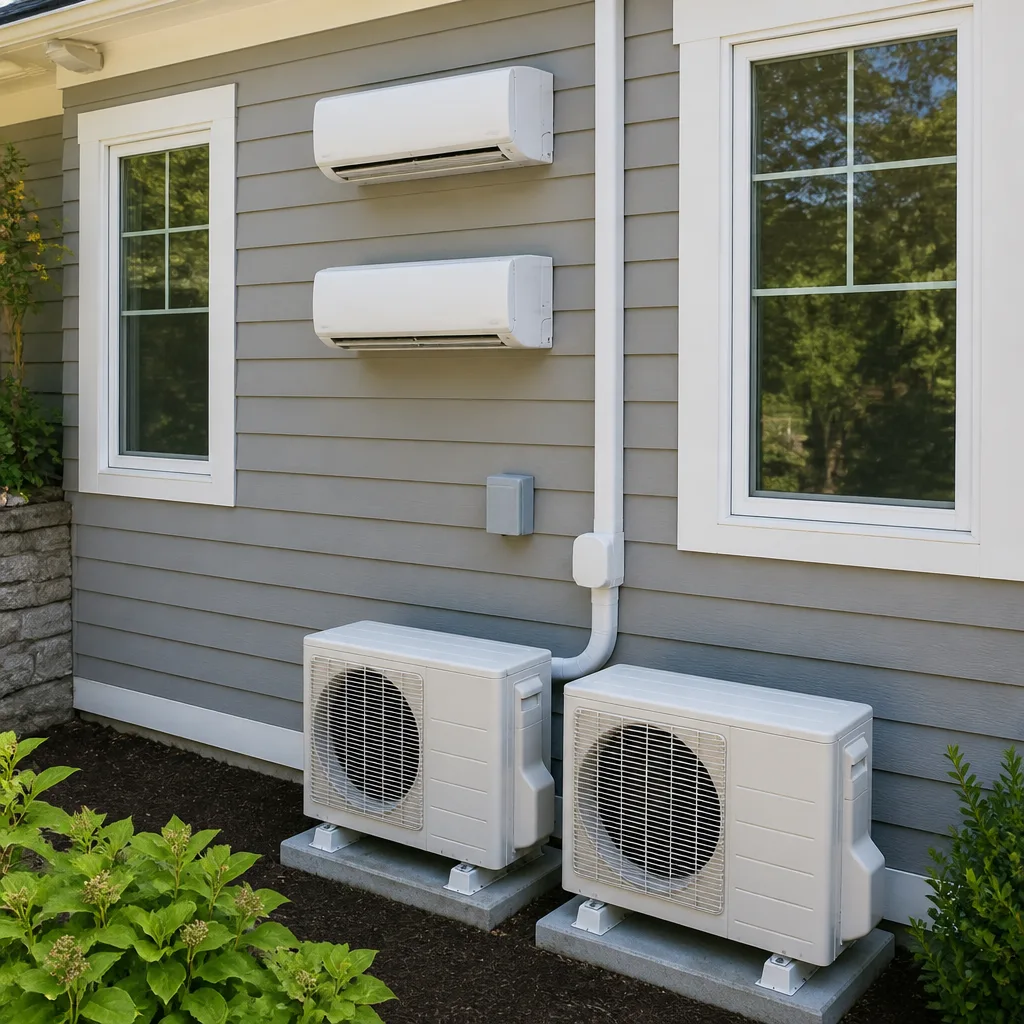 Ductless mini splits
 Carrier
 Trane
 Goodman
Seasonal tune-up and full diagnostic on your Carrier, Trane, or Goodman system - readings shown to you before any repair is proposed
Diagnosis first, numbers second - you approve the repair price before a single part goes in.
Get your free estimateAC Installation Maintenance Checklist for Carrollton Homeowners
A brand new air conditioner can pass every check on the day it’s installed and still run wrong for months. In Carrollton, where a July afternoon pushes past 100°F and the humidity hangs around long enough to matter, an oversized system, a slightly low refrigerant charge, or a return duct that’s working against itself won’t show up on a commissioning sheet. It shows up on your first full electric bill, or in a room that never quite cools. Most checklists floating around are written by manufacturers who assume ideal conditions. This guide is built the other way around: around the failure points that actually surface in Carrollton homes during the first 90 days after AC installation.
Quick Answer
A proper post-installation checklist for a Carrollton home covers four phases: pre-installation verification (electrical panel capacity, line-set path, attic insulation baseline), commissioning (documented refrigerant charge, measured static pressure and airflow, verified temperature split), then homeowner checks at 30, 60, and 90 days. Filter changes, condensate drain flow, and pan condition are non-negotiable in Carrollton’s shoulder-season humidity. Anything involving refrigerant, electrical connections, or the air handler internals requires a licensed technician.
Styles & brands we work with
- AC repair
- Furnace & heating
- Heat pumps
- Ductless mini splits
- Carrier
- Trane
- Goodman
Table of Contents
- Pre-Installation Checks That Protect the Whole Job
- What a Real Manual J Load Calculation Should Show
- Documenting Refrigerant Charge at Startup
- Airflow and Static Pressure: The Silent Failure
- Filter, Drain, and Condensate Checks for Carrollton Humidity
- The 30, 60, and 90-Day Post-Install Inspections
- What You Can Check Yourself vs. What Needs a Technician
- Warranty, Registration, and the Paper Trail
Pre-Installation Checks That Protect the Whole Job
Almost every installation problem that surfaces later traces back to something skipped before the equipment ever came off the truck. In Carrollton, three pre-installation checks matter more than the rest: electrical capacity at the panel, the routing of the refrigerant line set, and the existing attic insulation baseline.
Electrical Panel Capacity
An air conditioner draws serious current on startup, and older Carrollton homes in established neighborhoods often have panels that were sized for far less load than a modern condenser demands. Before installation, a technician should verify available amperage, confirm breaker and wire sizing match the new equipment’s nameplate rating, and check that the disconnect at the outdoor unit is appropriate. If the panel is marginal or has any sign of heat damage, that gets addressed first. Panel work is not a DIY item under any circumstances.
Refrigerant Line Path
The line set route affects efficiency, aesthetics, and long-term reliability. A good installation minimizes length and bends, protects the lines from physical damage, and ensures proper insulation along the entire run. In attic-routed systems common across Carrollton, the lines pass through some of the hottest space in the house. Insulation integrity there is not cosmetic; UV and heat degrade bare lines over time.
Attic Insulation Baseline
Equipment sizing assumes a building envelope. If your attic insulation is thin, the system that gets installed will work harder than its rating suggests and you’ll blame the equipment. Recording the baseline before installation gives you something to compare against later, and it tells the contractor whether the load calculation reflects reality.
- Panel amperage verified against equipment nameplate
- Breaker and wire sizing confirmed
- Line set route planned and length minimized
- Line set insulated along the full run
- Attic insulation depth and condition recorded
- Existing duct condition assessed before the new unit goes in
What a Real Manual J Load Calculation Should Show
A Manual J load calculation is the room-by-room math that determines how much cooling your house actually needs. If a contractor sizes your new system by square footage alone, or by matching the old unit’s tonnage, they’ve skipped the part that prevents the most common installation failure in Carrollton: an oversized system.
Oversizing sounds harmless. It isn’t. A system that’s too large cools the house quickly, satisfies the thermostat, and shuts off before it has run long enough to pull moisture out of the air. You end up with a house that feels clammy at 74°F even though the thermostat says it’s satisfied. In Carrollton’s climate, that’s a real comfort problem during the long cooling season.
What the Output Should Include
- Room-by-room heat gain and heat loss figures
- Window orientation and glazing area accounted for
- Attic insulation and duct location factored in
- Infiltration assumptions stated, not guessed
- Final tonnage that often lands below what square footage alone would suggest
Red Flags
- No written calculation provided before the contract is signed
- Tonnage matched to the old unit without any measurement
- No questions asked about window count, insulation, or duct condition
- A calculation that produces an unusually large system for the home
Ask to see the output. A contractor who did the work will have it. Our technicians have up to experience and know what a properly sized system looks like for Carrollton’s housing stock, which ranges from mid-century ranch homes to newer construction with tighter envelopes. Those two houses need very different calculations, and they often sit a few streets apart.
Documenting Refrigerant Charge at Startup
The refrigerant charge set on installation day is the single most important number your system will ever have. Document it, and every future service call has a baseline. Skip it, and any technician working on the system later is guessing whether a low reading means a leak or just a system that was undercharged from the start.
Proper documentation means more than writing “charge OK” on a work order. It means recording the outdoor temperature, indoor wet-bulb temperature, suction line pressure, liquid line pressure, superheat, and subcooling at the moment of commissioning. Those numbers together tell a future technician exactly where the system started and whether anything has drifted.
Why It Matters in Carrollton
Carrollton summers mean the system runs near-continuously for months. A charge that’s a little off runs a little less efficiently, and over a season that shows up as higher bills without an obvious cause. When the numbers are on file from day one, a technician can compare a 90-degree day reading against a 105-degree day reading and see whether the system is behaving or slipping.
What to Ask For
- Written commissioning readings, not just a checkbox
- Superheat and subcooling values recorded together
- Outdoor and indoor temperatures noted alongside the pressures
- A copy for your records, not just the company’s file
Keep that paperwork with your equipment manual. When you call for furnace repair in the winter and mention your system history, that folder makes the job easier for everyone.
Airflow and Static Pressure: The Silent Failure
Airflow problems are the easiest thing to miss on commissioning and the hardest thing for a homeowner to diagnose later. A system with restricted return air will run at higher static pressure, blow cold but not cool the house evenly, and put extra load on the blower motor.
Static pressure is measured at the return and supply sides of the air handler. A technician should take that reading during commissioning and record it. High static pressure usually points to one of three things: undersized return ducts, an over-restrictive filter, or a duct design that was never checked against the new equipment’s requirements.
Signs of an Airflow Problem After Installation
- Rooms far from the air handler never reach the thermostat setting
- Weak airflow at some registers, strong at others
- System runs long but the house stays warm
- Ice forming on the indoor coil or refrigerant lines
- A whistling or rushing noise at the return grille
If you notice any of these in the first 90 days, call the installer back. Airflow corrections are part of the job, and addressing them early is far simpler than after the system has run a full season in that condition. Anything that involves opening the air handler, adjusting blower speed, or resizing ductwork belongs to a technician.
Filter, Drain, and Condensate Checks for Carrollton Humidity
Carrollton’s shoulder seasons are where condensate problems hide. During spring and fall, the system runs less, and low-run conditions let biological growth establish in the drain pan and line before the cooling season starts. Three checks do most of the work: filter condition, drain line flow, and pan cleanliness.
Filter
Change it on the schedule the manufacturer recommends for your filter’s MERV rating. A clogged filter restricts airflow, which ties directly to the static pressure problem above. Write the install date on the filter edge with a marker so you never have to guess.
Condensate Drain Line
Condensation from the coil has to go somewhere. When the drain line clogs, water backs up into the pan, and from there into the ceiling or the floor. A float switch should shut the system down before that happens, but float switches fail. Check that water flows freely at the drain termination point. If you see standing water in the pan, stop and call a technician.
Condensate Pan
The pan should be clean and dry when the system isn’t running. Any standing water, slime, or rust calls for service. During Carrollton’s shoulder months, pans that sit wet without a good flush grow buildup faster than most homeowners expect.
- Check the filter monthly and replace per its rating
- Verify water flows at the drain termination
- Inspect the pan for standing water or buildup
- Test the float switch by lifting it gently (it should shut the system off)
- Flush the drain line per the manufacturer’s guidance
The 30, 60, and 90-Day Post-Install Inspections
What you check right after installation isn’t what you check a month later. Splitting the first 90 days into three checkpoints catches problems in the order they typically appear.
Day 30
- Compare electricity usage against the same month last year
- Walk the house and note any room that runs warm or cold
- Check the filter and note the date
- Confirm the drain line is flowing
- Look for any new noise at startup or shutdown
Day 60
- Compare the second month of bills against the first
- Listen for short cycling (frequent on-off cycles)
- Check the outdoor unit for debris, plant growth, or cottonwood buildup
- Verify the condensate pan stays dry between run cycles
Day 90
- Schedule a technician inspection that includes refrigerant readings compared against the commissioning baseline
- Have static pressure re-measured to confirm it hasn’t climbed
- Confirm the temperature split (return vs. supply air) is within range
- Review warranty registration and confirm it’s on file
If any checkpoint flags a problem, note the date and the symptom before you call. That detail is worth more than a vague description, and it lets your technician compare against your own documented baseline. In Carrollton, where the system may run nearly nonstop from June through September, that 90-day inspection is a real checkpoint for a system that’s already been worked hard.
What You Can Check Yourself vs. What Needs a Technician
There’s a clean line between chores that keep your system healthy and tasks that belong to a professional. Crossing it isn’t just a warranty concern; refrigerant and electrical work can seriously injure someone who doesn’t know the equipment.
Safe for Homeowners
- Filter changes
- Visual inspection of the condensate pan and drain termination
- Clearing debris and vegetation from around the outdoor unit
- Recording electricity bills and comparing them month over month
- Noting strange noises, smells, or performance drops
Requires a Licensed Technician
- Refrigerant charge measurement and adjustment (refrigerant handling is regulated and dangerous without proper equipment and training)
- Any work inside the air handler or on the blower
- Static pressure measurement and duct correction
- Electrical checks at the panel, disconnect, or contactor
- Float switch replacement or pan cleaning that requires equipment removal
Refrigerant systems run under high pressure. Any work on the sealed system, whether that’s adding charge, finding a leak, or replacing a component, calls for a trained technician with the right tools. Please don’t attempt it yourself. The same goes for anything that puts you near a panel or an energized compressor.
Warranty, Registration, and the Paper Trail
Manufacturers like Carrier, Trane, Lennox, and Goodman all tie warranty coverage to timely registration. The registration window is short, and missing it can reduce your coverage, sometimes substantially. Confirm with your installer that registration has been submitted and get a copy of the confirmation.
Beyond registration, the paper trail you keep in a folder near your equipment manual should include: the commissioning readings, the Manual J calculation, the installation invoice with model and serial numbers, and the filter change log. When you later call for service on your cooling system, that folder shortens the diagnosis. It also matters if you ever decide to sell the home. A documented installation history is a small but real selling point in the Carrollton market.
Our technicians are familiar with systems across the brands that show up most often in Carrollton, and knowing the platform speeds up both routine service and diagnostic work. Whether your home runs a Trane, a Lennox, or something else entirely, the checklist above doesn’t change. The pre-installation and commissioning steps matter the same way for every system.
Common Mistakes to Avoid
- Skipping the Manual J calculation. A quick square-footage estimate almost always oversizes the system, and an oversized unit in Carrollton’s heat cools fast but never dehumidifies properly. Ask for the written output before signing.
- Not documenting refrigerant charge at startup. Without a baseline, every future technician is guessing. Ask for commissioning readings and keep a copy.
- Ignoring filter replacement until the system stops cooling. A clogged filter restricts airflow, raises static pressure, and reduces efficiency long before the system shows a real failure. Mark the date every time you change it.
- Assuming a new system means no maintenance. New systems still need filter changes, drain checks, and a 90-day technician inspection. The first season is when setup issues surface.
- Letting vegetation grow against the outdoor unit. Restricted airflow around the condenser drops efficiency on hot days. Clear debris and plant growth, and give the unit room to breathe.
- Missing the manufacturer’s warranty registration window. Registration deadlines are short and missing them can reduce coverage. Confirm registration was submitted and get the confirmation.
- Trying to fix refrigerant problems yourself. Refrigerant handling is regulated and hazardous. Refrigerant work belongs to licensed technicians, every time.
See the difference
 Before
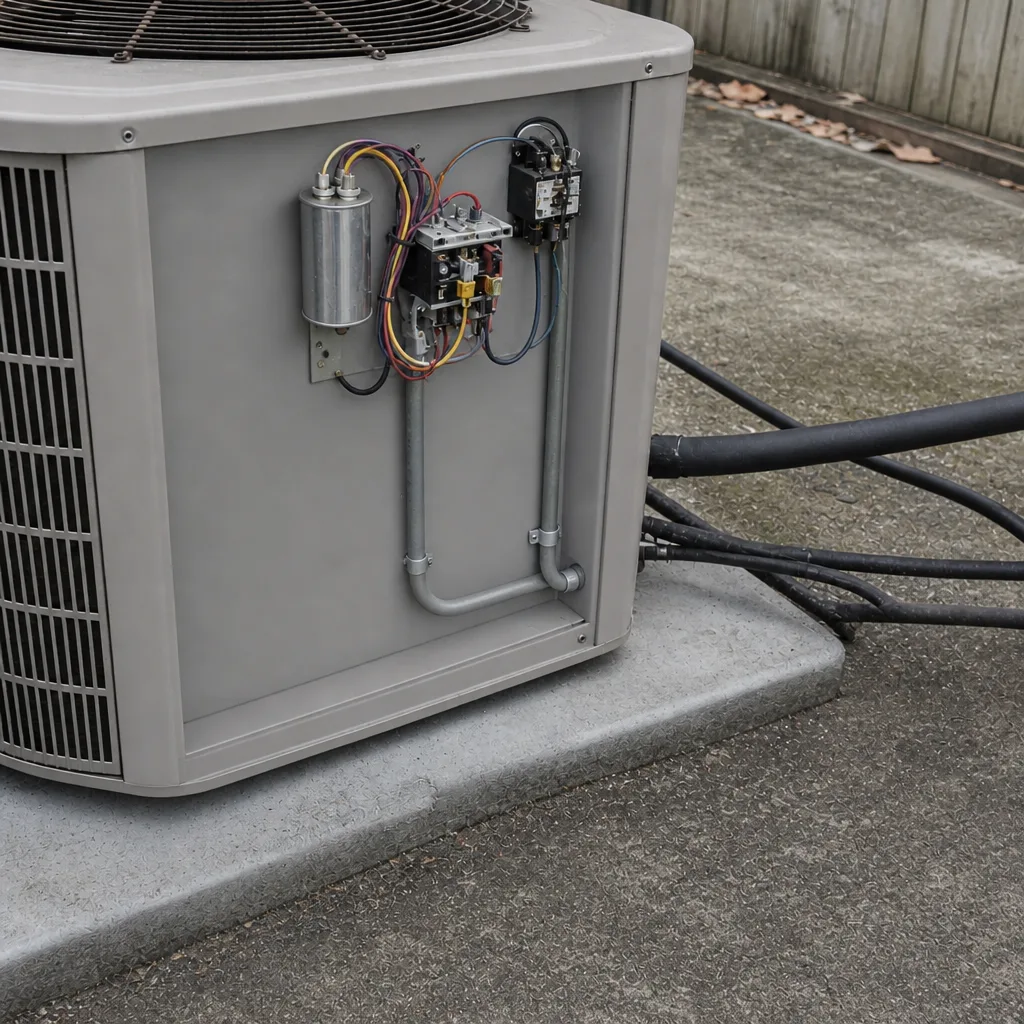 After
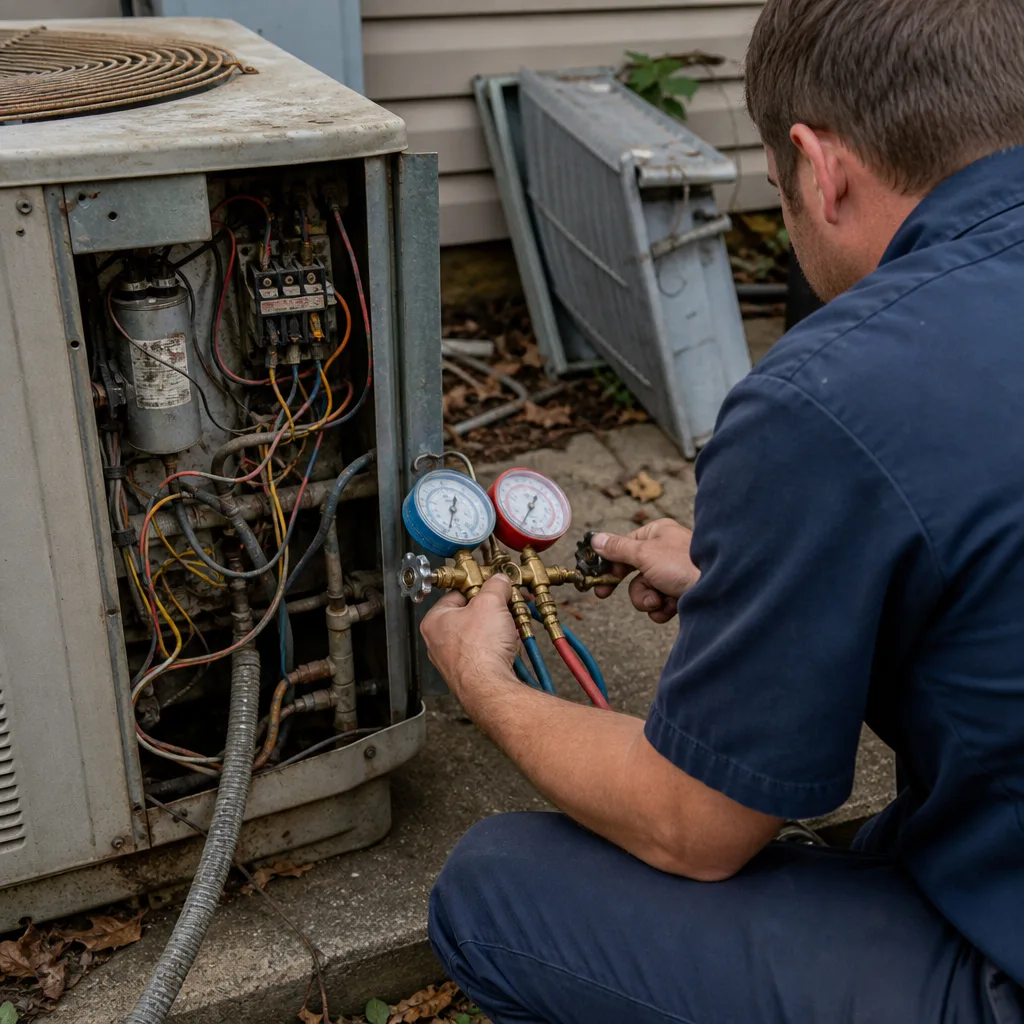 Before
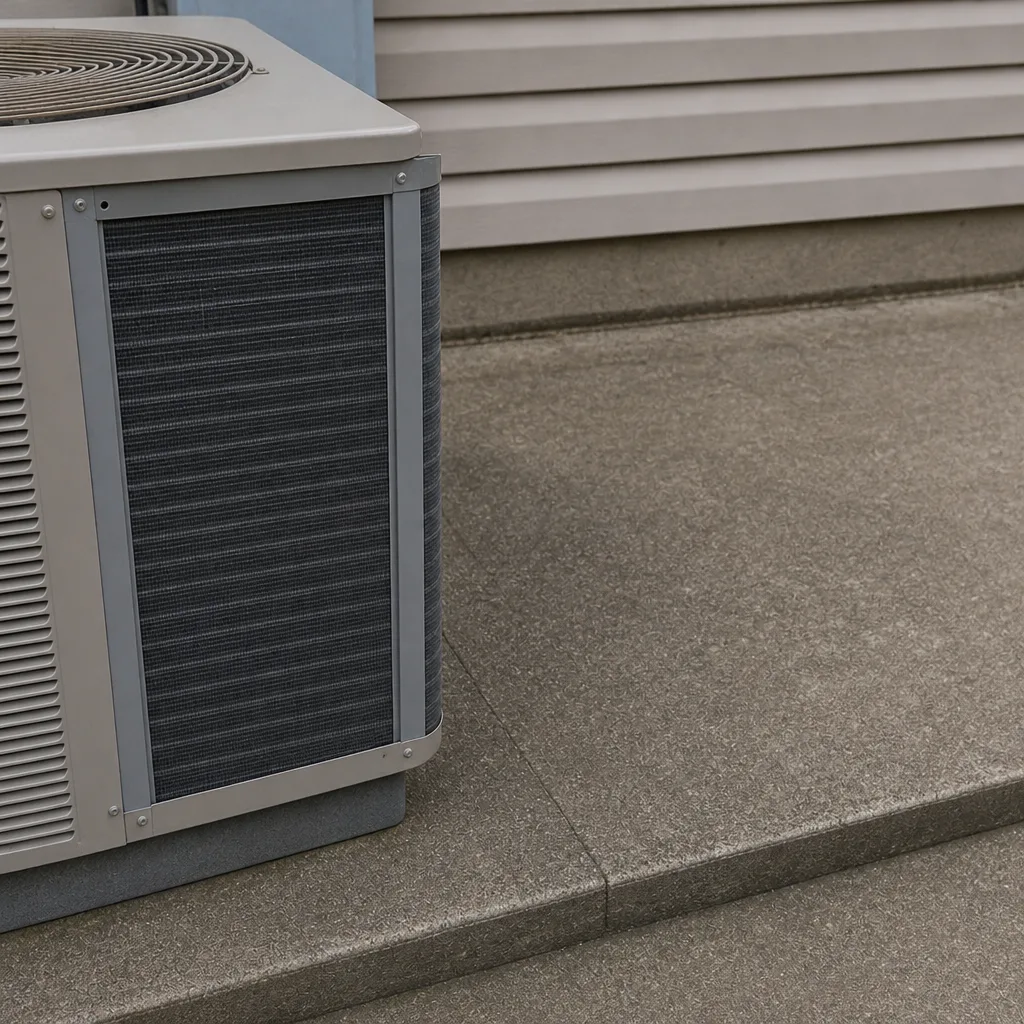 After
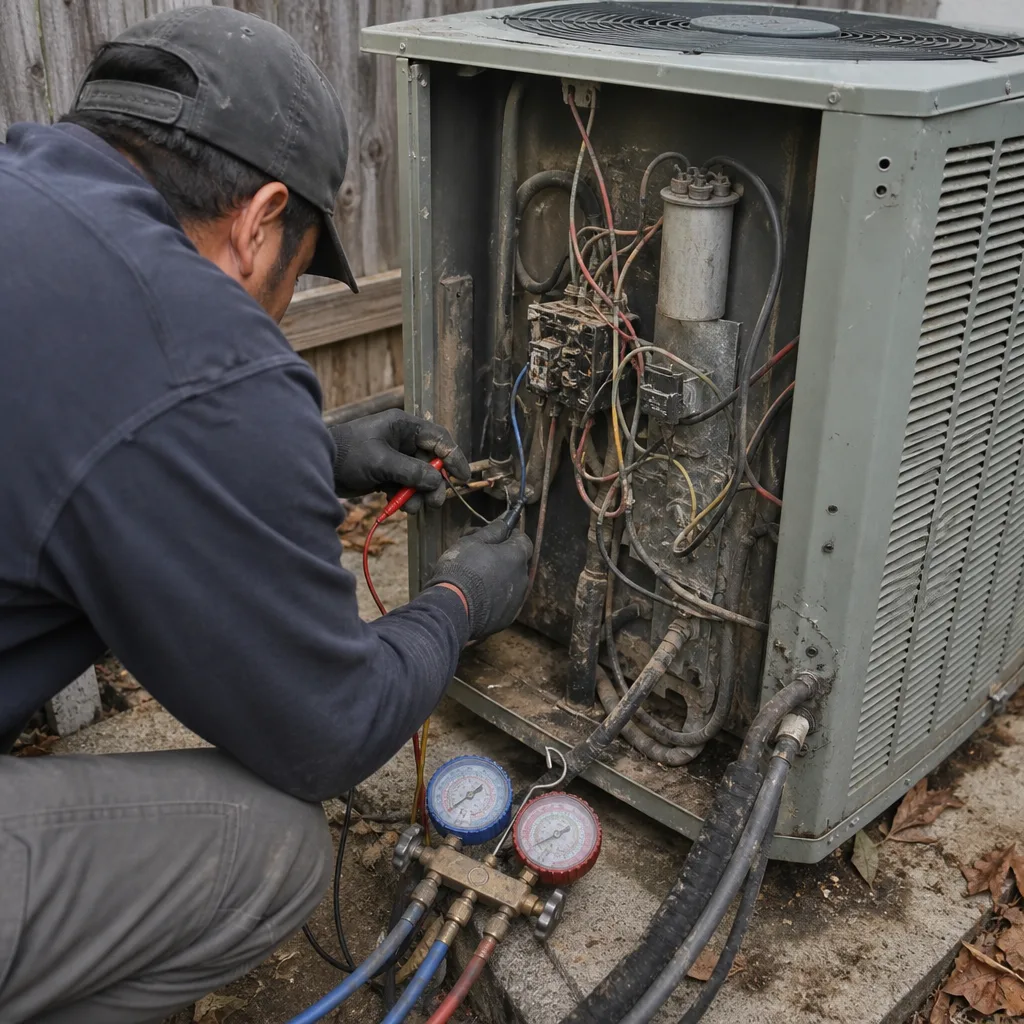 Before
 After
When to Call a Professional
Call a technician when anything on this checklist points to a system problem, not just a maintenance item. That includes: warm rooms that persist after installation, weak airflow at some registers, water in the condensate pan, ice on the coil or refrigerant lines, short cycling, rising electric bills you can’t explain, or any refrigerant reading that’s drifted from the commissioning baseline. Anything that touches the sealed system, the electrical supply, or the air handler is a technician job.
Carrollton AC Repair offers free estimates in Carrollton. Call (855) 759-1429. We answer 24/7. Fast dispatch from 7am to 7pm, Sunday through Friday. Our technicians are familiar with all nine of the major HVAC brands we service, so they’re not seeing your equipment for the first time.
Frequently Asked Questions
Schedule the first technician inspection at the 90-day mark. The first 30 days are for your own observations (rooms that won’t cool, filter condition, drain flow), the 60-day mark is for performance comparison against billing, and the 90-day inspection is when a technician compares refrigerant and airflow readings against the commissioning baseline. That sequence catches problems while the installation warranty is still fresh.
You don’t need to be there the whole time, but be present for the commissioning walkthrough and ask for copies of the readings. The commissioning readings and the Manual J calculation are the two documents you want in hand. If a technician can’t produce them, push for them before the job closes.
There’s no single answer, because a house’s tonnage depends on its insulation, window area, ductwork, and orientation, not just square footage. A Manual J calculation is what sets the number. If a contractor quotes a tonnage without a written calculation, ask for it. Oversized systems are common and underperform in humid months.
Follow the filter manufacturer’s recommendation for your MERV rating, which is typically every one to three months. During the heaviest cooling months in Carrollton, check it monthly. A clogged filter restricts airflow and drops efficiency before it causes a visible failure.
Utility and efficiency rebate programs exist in many areas, but eligibility and amounts vary by program and change over time. Ask your installer what’s currently available and get the details in writing as part of your estimate. We’ll walk through what applies to your system and document it for you.
Carrollton AC Repair does. The same team that handled your AC installation can diagnose and repair any issue that surfaces afterward, on the brands we service. Call (855) 759-1429 for a free estimate – we answer 24/7.
The Bottom Line
Installing a system and walking away isn’t the same as installing it correctly. The checklist that matters most in Carrollton covers what happens before the equipment goes in (panel capacity, line set routing, insulation baseline), during commissioning (documented refrigerant charge, static pressure, temperature split), and across the first 90 days (filter, drain, pan, and a technician inspection that compares against the baseline). Keep the paperwork, watch the first few bills, and don’t ignore a room that stays stubbornly warm. Most of what goes wrong after installation is catchable if you know what to look for.
If you’d like a free estimate on a new installation or a post-installation inspection, call Carrollton AC Repair at (855) 759-1429. We answer 24/7. Fast dispatch from 7am to 7pm, Sunday through Friday.
Written by the team at Carrollton AC Repair.