
Last updated November 15, 2026
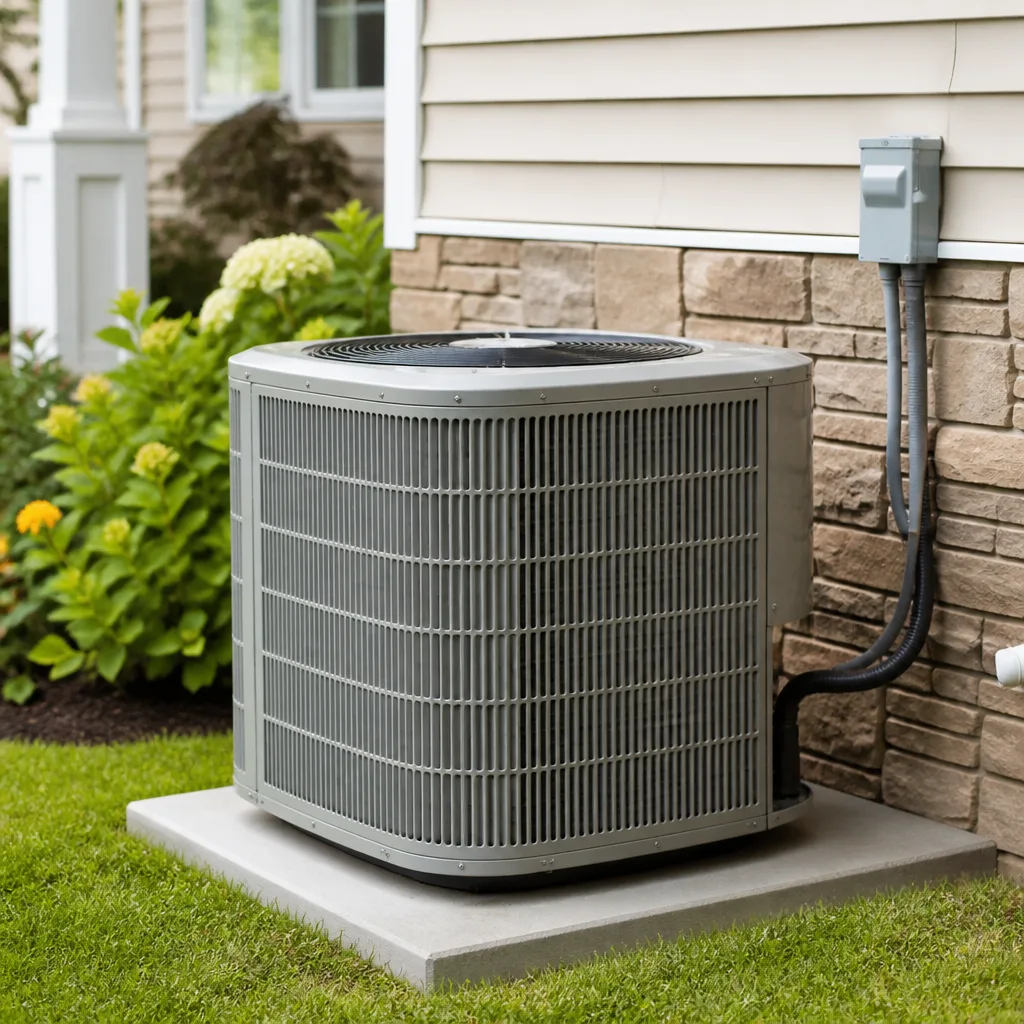 AC repair
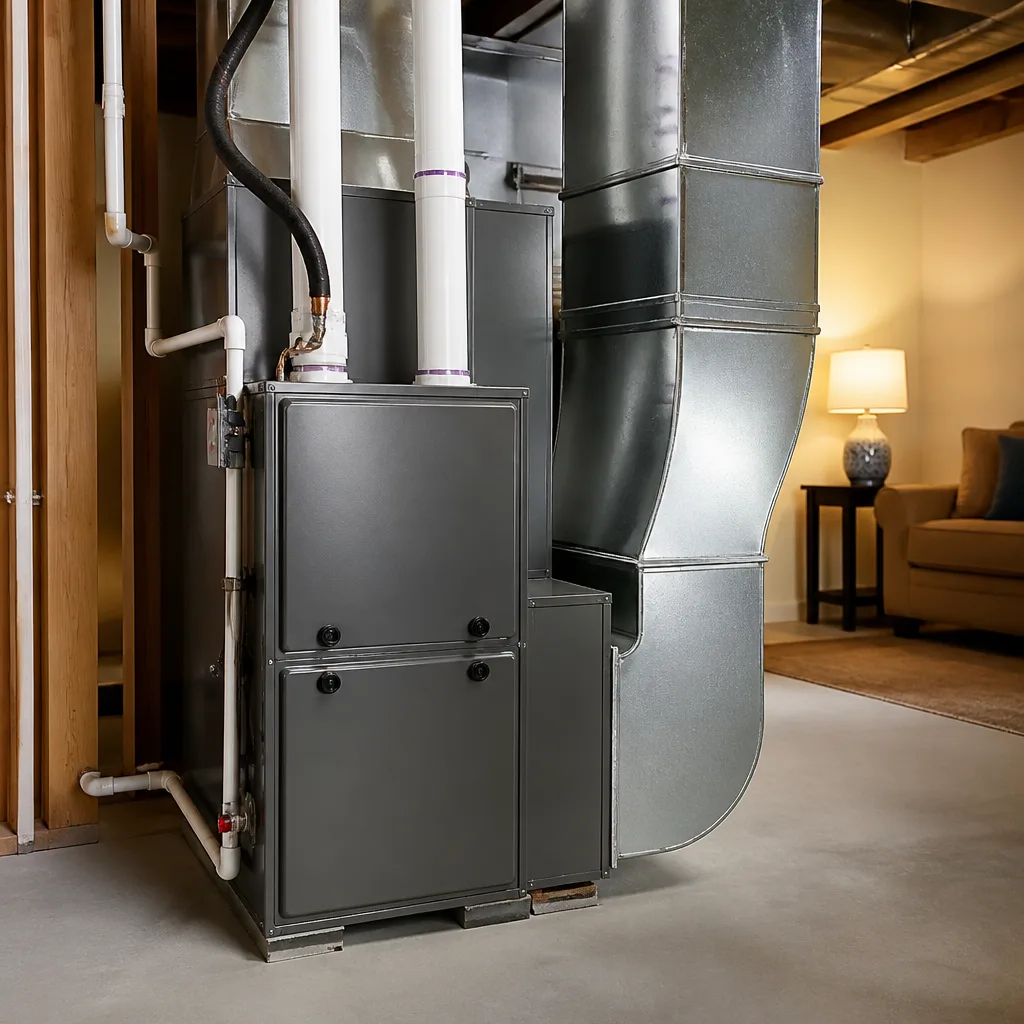 Furnace & heating
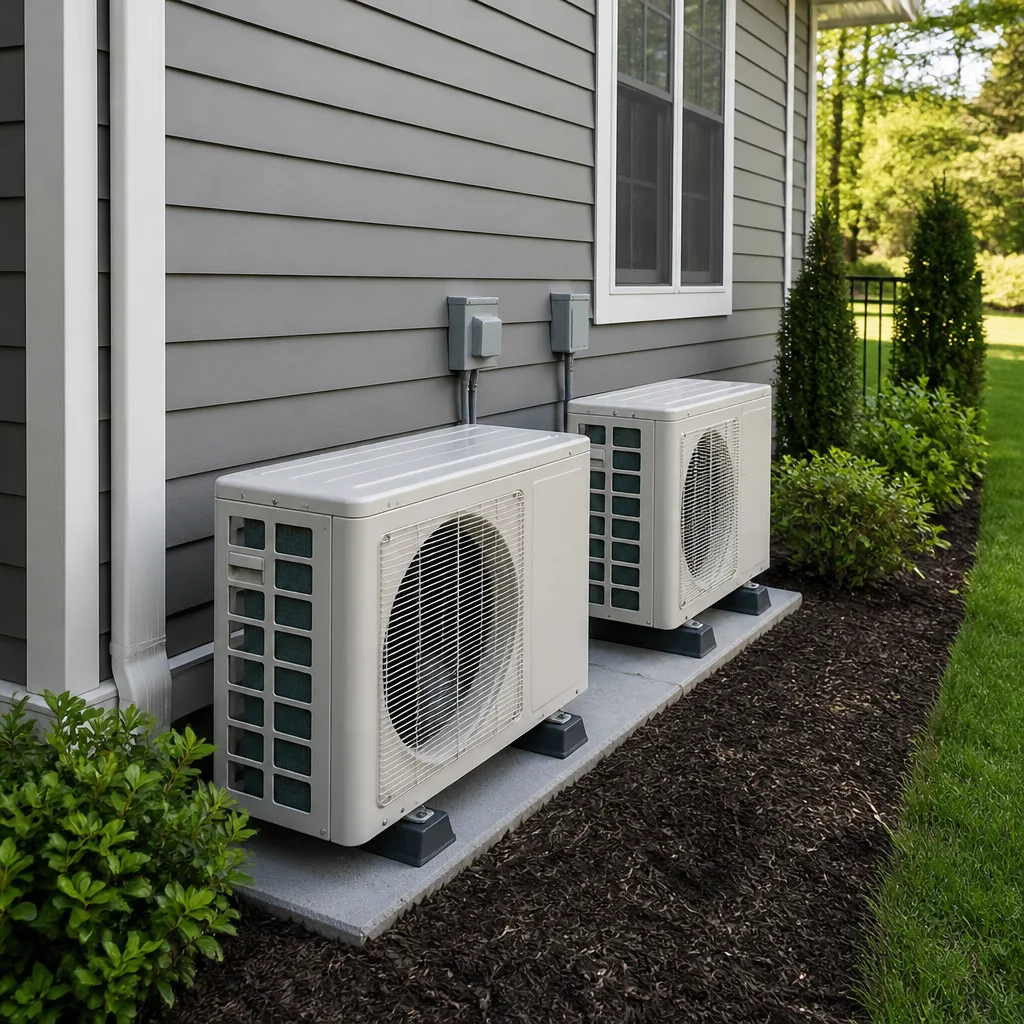 Heat pumps
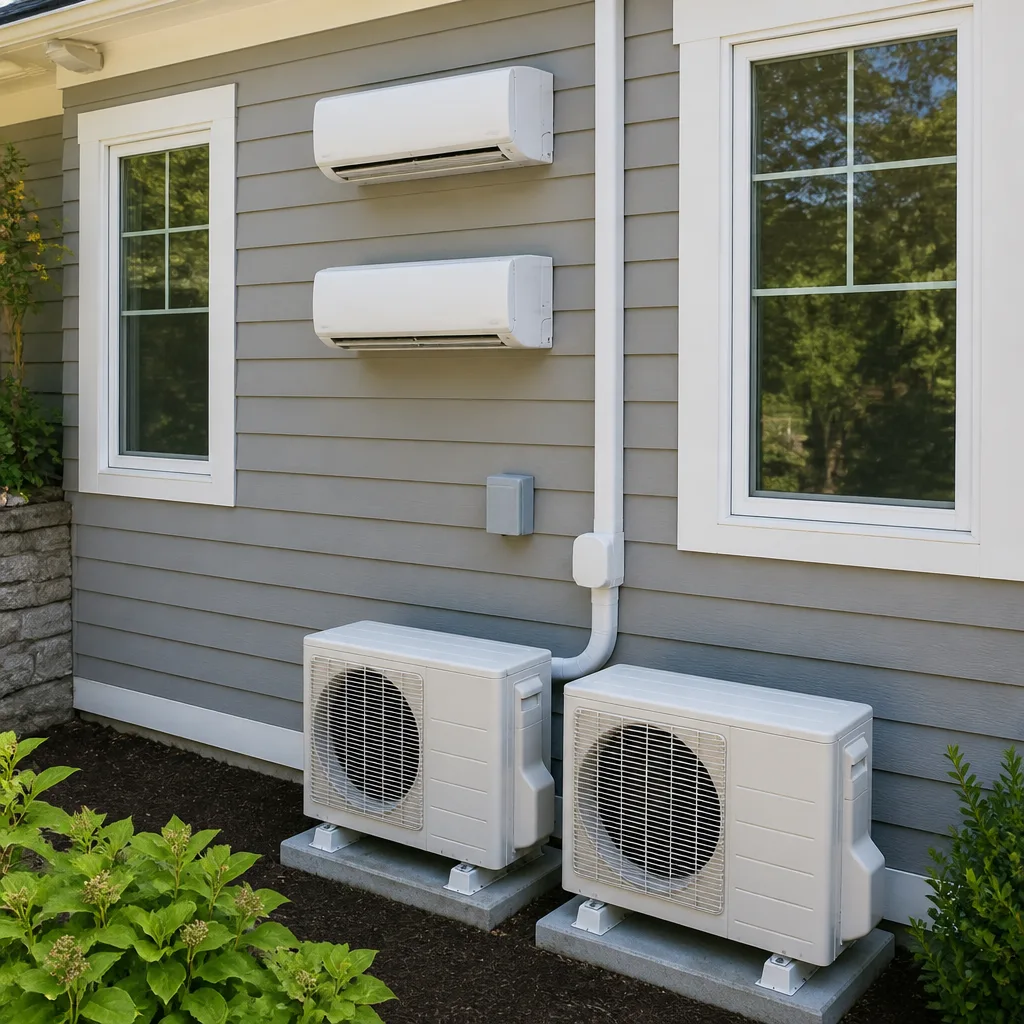 Ductless mini splits
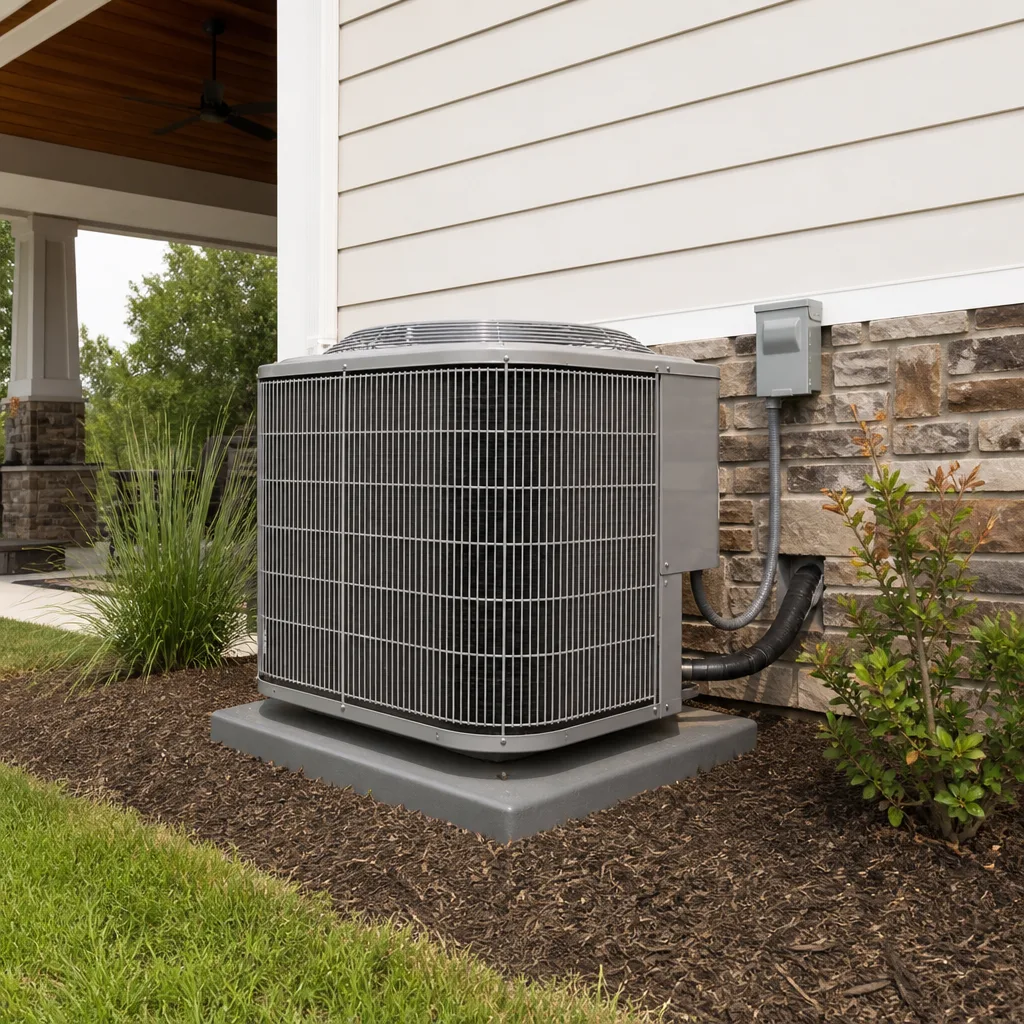 Carrier
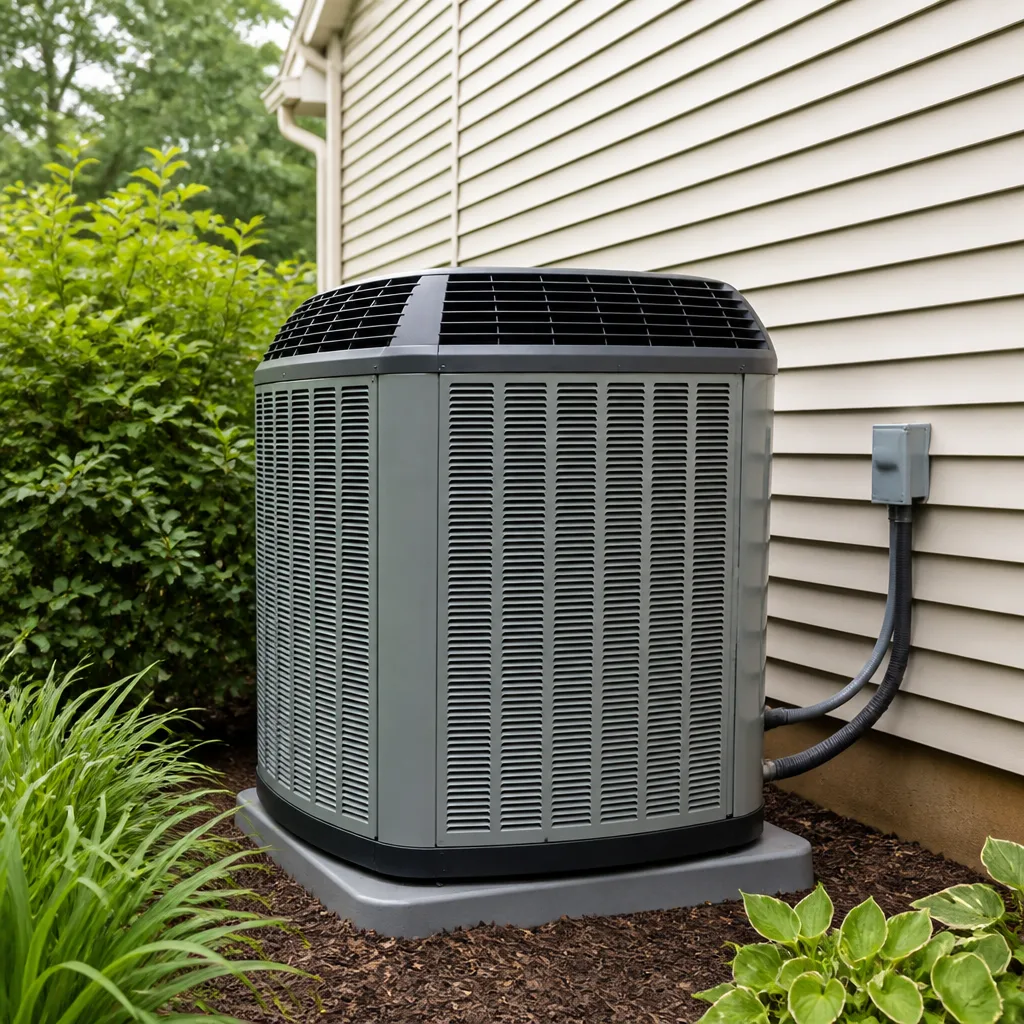 Trane
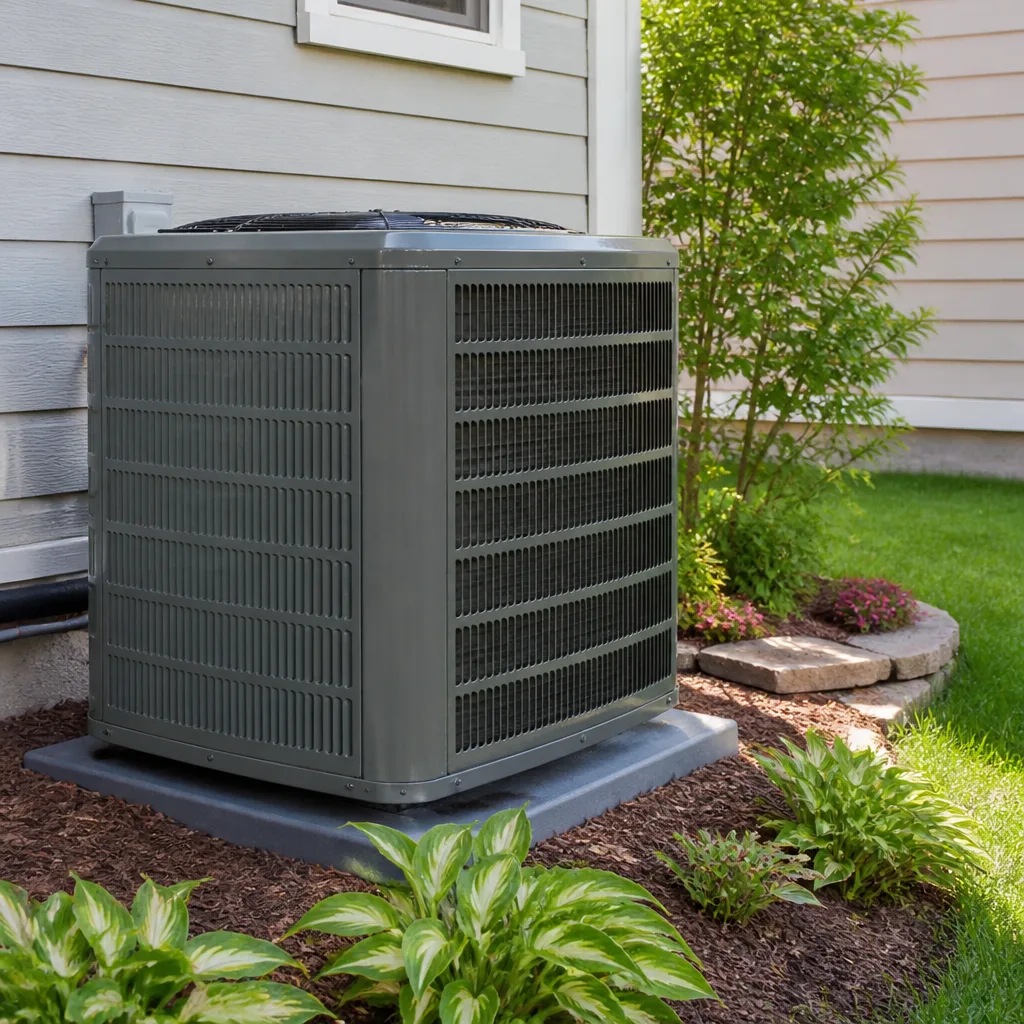 Goodman
Seasonal tune-up and full diagnostic on your Carrier, Trane, or Goodman system - readings shown to you before any repair is proposed
Diagnosis first, numbers second - you approve the repair price before a single part goes in.
Get your free estimateChoosing the Right HVAC Brand: A Buyer’s Guide for Carrollton
The brand that tops a national consumer ranking may be the one waiting six weeks for a failed control board in the Dallas-Fort Worth wholesale chain, and no glossy comparison chart will tell you that. Most brand guides are written by people who sell exactly one brand, so the criteria they use tend to match the brand they carry. We service nine major manufacturers and sell none of them exclusively, which changes what we look at. This guide shows you how to judge an HVAC brand on the things that matter after installation: parts availability in the DFW distribution network, how many local technicians actually know the equipment, warranty terms that hold up, and compatibility with the electrical and ductwork your Carrollton home already has.
Quick Answer
The best HVAC brand for a Carrollton home is the one a qualified local technician can diagnose quickly and get parts for without a factory order: in practice, that means one of the widely installed brands like Carrier, Trane, Bryant, or American Standard, properly sized and installed by a licensed contractor. Brand matters far less than correct sizing, a clean installation, and a registered warranty. If you want one rule to follow, choose a brand with deep local distribution and a servicer who already knows it, not the name with the biggest ad budget.
Styles & brands we work with
- AC repair
- Furnace & heating
- Heat pumps
- Ductless mini splits
- Carrier
- Trane
- Goodman
Table of Contents
- Why Most HVAC Brand Guides Get Carrollton Wrong
- Parts and Component Availability in the DFW Wholesale Network
- Technician Familiarity: Which Brands Local Techs Actually Know
- What a 10-Year Warranty Actually Requires
- Checking Compatibility With Your Electrical and Ductwork
- Why a Multi-Brand Contractor Sees Brands Differently
- A Step-by-Step Way to Evaluate Any Brand
- Repair or Replace: How Brand Affects the Decision
Why Most HVAC Brand Guides Get Carrollton Wrong
Almost every brand ranking you’ll read online was written by a dealer, a manufacturer, or an affiliate that earns a commission on one line of equipment. That doesn’t make the information false, but it does shape which criteria get weight. A dealer carrying one brand will tell you parts availability is fine, because for that brand, in that dealer’s relationship with the distributor, it usually is. The homeowner in Carrollton with a different brand gets a very different experience when a control board fails in July.
The criteria that actually matter after the technician leaves are narrower than most guides admit:
- Parts availability. Can a technician get the failed component from a DFW warehouse this week, or does it ship from a factory?
- Technician familiarity. Is this brand common enough in Carrollton’s housing stock that any competent local tech has seen the model before?
- Warranty terms. What does the manufacturer require for the warranty to stay valid, and who is responsible for meeting those terms?
- Compatibility. Will the new equipment work with the electrical service and ductwork already in your house?
- Support infrastructure. Does the brand have a technical support line a technician can reach when a diagnostic gets difficult?
Notice that efficiency ratings barely appear on that list. Efficiency matters, and it affects your electric bill, but a high-efficiency unit installed with the wrong refrigerant charge or an undersized return will underperform a mid-range unit installed correctly. The brand is one input. The installation is the multiplier. We’ve watched this play out across Carrollton neighborhoods from Old Downtown to Trinity Mills, and the pattern holds: the equipment matters, but the hands installing it matter more.
This guide treats brand selection as a distribution and support question first, a marketing question last. That’s the frame that holds up when something breaks in August.
Parts and Component Availability in the DFW Wholesale Network
Parts availability is the single most underrated brand criterion, and it’s the one homeowners can’t easily research on their own. The DFW metroplex has a deep wholesale distribution network, and the largest brands stock common components in local warehouses: capacitors, contactors, blower motors, igniters, flame sensors, control boards for popular models. A technician can often pick up a part the same day. Brands with thinner local distribution may require a factory order for anything beyond a universal part, and that wait is measured in weeks during peak season.
Here’s how the brands we work on tend to break down on parts access in the Dallas-Fort Worth market:
- Carrier and Bryant. Carrier and Bryant share ownership and much of their component architecture. Both have broad distribution in DFW, and common parts are usually available locally.
- Trane and American Standard. Also sister brands under one parent. Distribution is strong in the metroplex, and technicians generally find what they need without factory orders.
- Lennox. Well represented in the metroplex, though some model-specific control boards can take longer than the brands above.
- Rheem and York. Solid distribution. York in particular is common in older North Texas housing, and parts access is generally good.
- Daikin and Goodman. Both are widely installed in Texas, with strong distribution. Goodman’s component commonality across its line makes local sourcing easy for a technician who knows the equipment.
None of this is a guarantee about any specific part on any specific day. Supply chains shift. What it tells you is which brands are more likely to keep a repair on the same-day or next-day schedule, and which are more likely to leave a Carrollton homeowner waiting on a factory shipment with a house at 90 degrees inside.
When you’re comparing brands, ask the contractor a direct question: for this model, if the control board fails, can you get one locally, or does it ship from the factory? A brand-agnostic technician who works on nine lines will give you a straight answer, because their recommendation isn’t tied to one manufacturer’s margin.
Technician Familiarity: Which Brands Local Techs Actually Know
Here’s a fact that doesn’t make it into most buying guides: the brand that’s easiest to diagnose is the brand every technician in the area has already worked on. Familiarity density is real. A technician who has seen the same control board layout, the same ignition sequence, and the same refrigerant charging quirks on hundreds of units diagnoses faster and makes fewer wrong calls than one encountering an unusual brand for the first time.
In Carrollton, the equipment mix follows the housing stock. Neighborhoods built out from the 1970s through the 2000s, like the residential blocks around Josey Ranch and the established pockets near Rosemeade, tend to carry the brands that were common in those construction cycles: Carrier, Trane, Lennox, Goodman, Rheem, York, and American Standard show up repeatedly. Bryant and Daikin appear as well, especially on more recent installations. The practical result is that most qualified local technicians can open a unit from any of those nine brands and know what they’re looking at.
Specialty brands are a different story. If a manufacturer has a small local installed base, the pool of technicians who’ve actually serviced that equipment shrinks. That doesn’t make the equipment bad. It makes the diagnostic process slower, and it means a technician may need to call manufacturer technical support mid-job while you’re paying for the time. Before you commit to a specialty brand, ask:
- How many of these units has your technician serviced in the past year?
- When a diagnostic gets difficult, can they reach manufacturer tech support and walk through it?
- Does the brand have a service network in the Dallas-Fort Worth area, or is support thin?
The good news for Carrollton homeowners is that the most common brands are also the easiest to get serviced. Our technicians have up to experience across all nine of the brands we cover, so we know the equipment before we arrive. When you call for furnace repair in January, the technician doesn’t need the manual for a brand they’ve seen a thousand times.
What a 10-Year Warranty Actually Requires
A 10-year manufacturer warranty sounds simple, and it isn’t. Most brands offer a base warranty on parts, with longer terms on certain components like the compressor or heat exchanger, and a separate registration requirement that resets if the registration is late. What the warranty covers and what voids it depend on terms the dealer is supposed to document and the homeowner is supposed to keep.
The terms that most often catch Carrollton homeowners:
- Registration window. Many manufacturers require registration within a set time of installation, and some reduce the term or void parts coverage if registration never happens. Ask who is responsible for filing it and confirm it was filed.
- Licensed installation. Warranties generally require a licensed contractor to do the installation. A unit installed by a handyman or an unlicensed party can be refused for coverage.
- Maintenance records. Some brands require documented annual maintenance to keep certain components covered. Keep the invoices.
- Labor is separate. Manufacturer warranties usually cover parts, not the labor to install them. That’s the part the installing contractor handles, and it’s worth asking about.
- Refrigerant type. Warranty coverage and service costs depend on the refrigerant the system uses. Confirm the refrigerant type on your model before you compare claims.
None of this is brand-specific. The same questions apply to Carrier, Trane, Bryant, American Standard, and every other line. The difference between brands is usually in how the fine print is written, not in whether there is fine print. Read the warranty documentation for the model you’re considering, not the summary on a website, and have the installer confirm in writing which registration and maintenance steps they handle and which fall to you.
Because we work across nine brands, we recommend the warranty structure that fits what you’ll actually do, not the one tied to a single manufacturer’s requirements. A homeowner who knows they’ll skip maintenance shouldn’t be pushed toward a warranty that voids without it.
Checking Compatibility With Your Electrical and Ductwork
You can buy the most reliable equipment on the market and end up with a system that runs worse than the old one, if it doesn’t match the house. Before a single brand is chosen, a competent contractor checks three compatibility items: the electrical service to the outdoor unit, the ductwork and air handler capacity, and the refrigerant line set if the system is being replaced as a whole.
Here’s what a proper pre-installation check includes, in order:
- Load calculation. The right size for the house is calculated, not guessed. An oversized unit short-cycles, which drives up humidity and wear; an undersized unit can’t keep up in a North Texas summer.
- Electrical service check. The panel needs to support the new unit’s requirements. This involves electrical work and shouldn’t be improvised; it’s a job for a licensed electrician or a qualified HVAC contractor working with one.
- Ductwork assessment. Duct size, layout, and the return air path determine how much air the system can actually move. A high-efficiency unit on undersized ductwork is a waste of money.
- Refrigerant line set check. If the new system uses a different refrigerant than the old one, the line set may need replacement.
- Control board and thermostat compatibility. A new system may need a specific thermostat, and some brands pair best with their own controls. Confirm this before you commit to a brand.
If anyone quotes a replacement brand without doing the load calculation and checking the electrical and ductwork first, the recommendation isn’t ready. And use the caution that applies to this trade: electrical panel work and refrigerant handling are jobs for trained, licensed professionals, not weekend projects. The risks aren’t theoretical.
When your system is ready for replacement, our AC installation process starts with these checks, because equipment installed without them is a warranty call waiting to happen.
Why a Multi-Brand Contractor Sees Brands Differently
A single-dealer contractor carries one brand, and their recommendation has a built-in tilt. That doesn’t mean they’re dishonest. It means the brand they know best, stock easiest, and earn the best margin on is the brand they’ll suggest. When a dealer tells you one brand is the best, they’re telling you what their business relationship says. When a multi-brand servicer tells you one brand is best, they’re comparing options they have no single incentive to favor.
Our position is unusual: we don’t sell any brand exclusively, so we don’t have a horse in the race. We service Carrier, Trane, Lennox, Goodman, Rheem, York, Daikin, Bryant, and American Standard, and our recommendations follow the equipment, not the dealer agreement. That’s the frame to bring to any brand conversation:
- Ask which brands the contractor services and which they sell. If the answer is the same one, factor that in.
- Ask what they’d install in their own home and why. A brand-neutral technician can answer with reasoning that doesn’t come back to dealer margin.
- Ask how they’d handle the same failure on a brand they don’t primarily service. Confidence across multiple brands signals breadth; a blank look doesn’t.
- Ask whether they can service your existing brand if you decide to replace it with a different one. A single-brand dealer may push you onto their line even when your current equipment is still serviceable.
The multi-brand vantage works for repair too. Brand-neutral technicians troubleshoot the system’s actual condition, not a manufacturer playbook. If a control board fails and a board swap makes economic sense, we replace the board. If the whole system is near the end of its life, we tell you that instead. We’re not paid on what we sell, so the recommendation follows the diagnosis.
That perspective is worth weighing when you’re comparing brands. A brand is only as good as the service infrastructure behind it in the city where you live.
A Step-by-Step Way to Evaluate Any Brand
Use this sequence when you’re comparing brands, and you’ll cover the criteria that actually predict satisfaction after year five:
- Confirm the local installed base. Ask how many units of that brand your contractor has serviced in your area. If the answer is few, ask why, and what it means for support.
- Check parts availability. Ask about the specific model’s control board and compressor: are they carried locally, or factory-ordered? Get a real answer, not “we can get anything.”
- Read the actual warranty documents. Registration window, licensed installation requirement, maintenance conditions, and what’s excluded. Have your contractor confirm the registration process in writing.
- Check electrical and ductwork compatibility. Before you sign, the contractor should have calculated the load, checked the panel, and assessed ductwork.
- Compare refrigerant and control board compatibility with existing infrastructure. Confirm which refrigerant the system uses and whether a new thermostat or line set is required.
- Ask how the contractor services brands they don’t sell. Their answer tells you whether their advice is neutral.
- Get a written fixed price. The estimate should be free, itemized, and set the final price in writing. Compare brands on the full installed cost, not the box price.
That last step matters more than most homeowners expect. Two brands can cost nearly the same installed and behave very differently in year eight when a component fails and one is a same-day part while the other is a three-week wait. The installed cost doesn’t show that difference. The parts network does.
When you’re ready to compare, our Carrollton AC Repair team can walk you through the systems in your home, which brand-family your current equipment belongs to, and what a replacement or repair in your situation would actually involve. We’ll tell you which brands hold up in the Carrollton market and why, without steering you to one line.
Repair or Replace: How Brand Affects the Decision
A brand name doesn’t decide whether a system is repaired or replaced. Age, condition, repair cost relative to replacement, refrigerant type, and warranty status decide it. But brand does affect how clean the decision is, and it affects what happens afterward when a repair is the right call.
Here’s the framework we use. When a system fails, the questions run in order:
- How old is the equipment? There’s no single cut-off, but a system past a typical service life with a major failure is often a replacement candidate.
- What’s the repair? A capacitor or igniter is straightforward on any brand. A compressor or heat exchanger is a bigger conversation.
- What parts are available, and how fast? A repairable system with a two-week parts wait in July is a different situation than a same-day part.
- Is the system still under warranty? Parts coverage changes the math significantly.
- Would a replacement work with the existing ductwork and electrical? That determines the true installed cost of replacement.
Brand-wise, the common brands we service tend to make repair easy because parts are accessible and technicians know the equipment. That supports repair in cases where replacement would be premature. A specialty brand with thin local support sometimes tilts toward replacement because a repair means a factory order. And a faulty installation, on any brand, is a repair-history problem that no brand choice fixes. Sizing, refrigerant charge, and ductwork quality determine reliability more than the badge on the cabinet.
When the answer is replacement, the same team that diagnosed the failure does the swap, so there’s no handoff. We’re furnace repair-capable and AC-installation-capable under one roof, which matters when the equipment aging out is the furnace or the condenser or both. Replacement is scheduled work, not same-day work: it’s load-calculated, ordered, and installed on a set date with a written fixed price.
Common Mistakes to Avoid
- Choosing a brand on a consumer ranking alone. National rankings don’t reflect local parts availability or technician familiarity in the DFW metroplex. A highly ranked brand with a long factory lead time on control boards is a worse choice for a Carrollton homeowner than a slightly lower-ranked brand with a stocked local warehouse.
- Letting the installer size the unit without a load calculation. Oversized and undersized systems both fail sooner and run worse. Any contractor recommending a brand should have calculated the load for your house first, with your ductwork assessed.
- Skipping the warranty registration. Many 10-year warranties depend on timely registration and licensed installation. If you don’t confirm the registration was filed, you can lose coverage without ever knowing it.
- Assuming the brand on the quote is the brand installed. Ask for the model number and confirm it matches the equipment installed, including refrigerant type and control board compatibility. “Same brand, similar model” isn’t the same as the unit you agreed to.
- Choosing a brand with a thin local installed base to save money upfront. A specialty brand with few technicians in Carrollton means slower diagnostics on every future visit. The savings can disappear in service calls over the life of the system.
- Comparing brands on the box price instead of the installed cost. The full installed cost includes labor, any ductwork or line set changes, and electrical work. Two boxes at the same price can install for very different totals.
- Trusting a single-dealer recommendation without a second opinion. A dealer carrying one brand can’t tell you whether a different line would suit your home better. At least one neutral opinion is worth the phone call.
See the difference
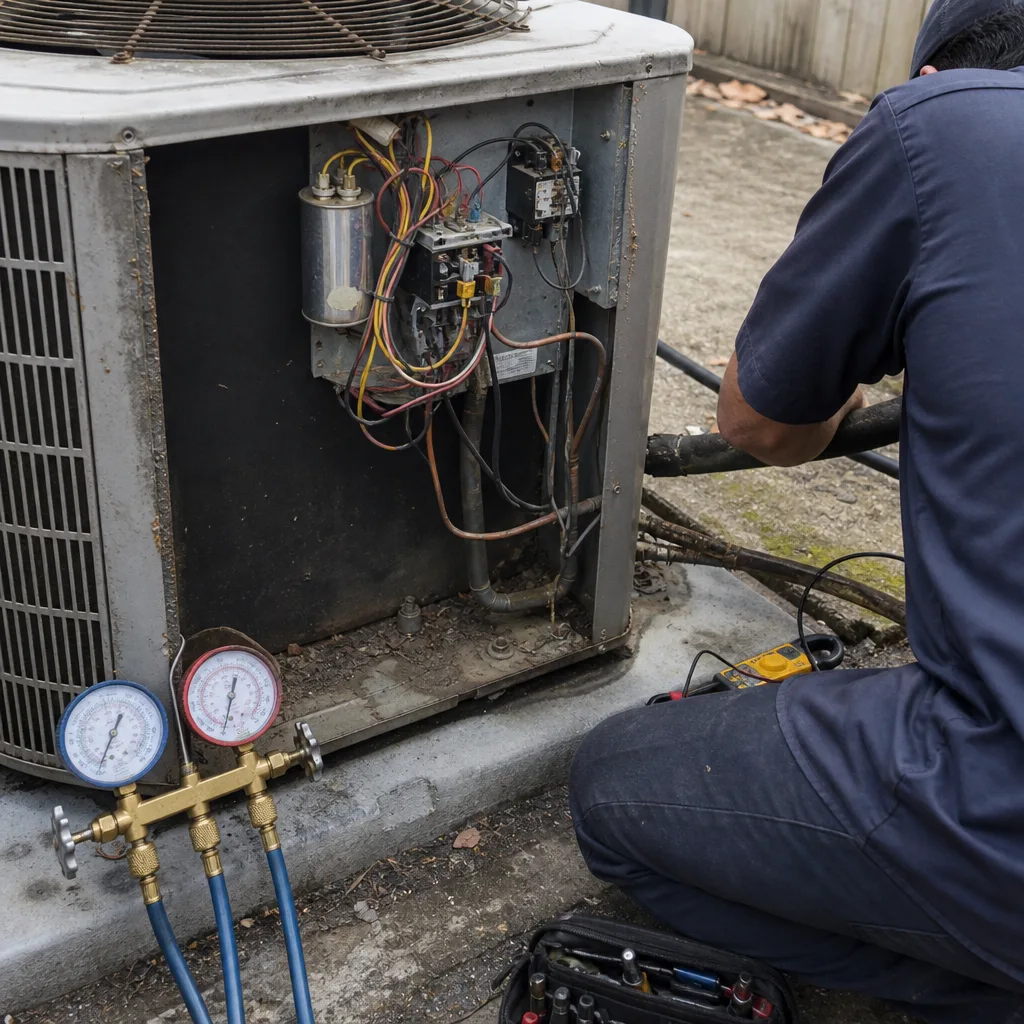 Before
 After
 Before
 After
 Before
 After
When to Call a Professional
Call a professional for anything involving the refrigerant circuit, a gas furnace, the electrical panel, or a control board. These are trained, licensed jobs, and the risks of a DIY attempt on refrigerant or gas aren’t worth the potential savings. Call for a load calculation and duct assessment before you commit to a replacement. Call for a warranty registration question if you aren’t sure the manufacturer has your paperwork on file. Call for a second opinion if a single-brand dealer has recommended their brand and you want a neutral read on the options.
Carrollton AC Repair offers free estimates in Carrollton. We service the nine brands listed in this guide, and our technicians have up to experience with them. Call (855) 759-1429. We answer 24/7. Fast dispatch from 7am to 7pm. When repair is the honest answer, we say so; when replacement is the honest answer, we lay out the fixed price in writing and set the install date. Either way, the estimate is free.
Frequently Asked Questions
The best brand for a Carrollton home is one with strong local parts distribution and a wide base of technicians who know it: Carrier, Trane, Bryant, and American Standard all fit that description in the Dallas-Fort Worth market. Brand is only one variable; correct sizing, clean installation, and a registered warranty matter more than the nameplate. Call (855) 759-1429 for a neutral assessment of which brands suit your house and existing ductwork.
Ask a local contractor directly whether a specific model’s control board and compressor are stocked in the DFW wholesale chain or factory-ordered, and how long a typical order takes. The brands with deep distribution in this market include Carrier, Bryant, Trane, American Standard, Lennox, Goodman, Rheem, York, and Daikin, though specific parts vary by model. Call (855) 759-1429 for an honest answer about your equipment.
Repair makes sense when the system is within its expected service life, the failure is a common component, and parts are available; replacement makes sense when the system is older, the repair is major, or the refrigerant and efficiency gap is large. Equipment age, condition, warranty status, and cost relative to replacement drive the answer, not the brand. Call (855) 759-1429 for a free estimate that lays out both options honestly.
Often yes, but only if the fine print is satisfied: timely registration, licensed installation, and in some cases documented annual maintenance. Labor is usually not covered by the manufacturer. Confirm in writing which registration and maintenance steps the installer handles and which fall to you. Call (855) 759-1429 with questions about warranty registration on a new or replacement system.
A multi-brand servicer can recommend the brand that fits your home and budget without a dealer agreement pulling the answer toward one manufacturer, and they can service your existing brand if it outlasts the replacement conversation. A single-brand dealer’s recommendation is shaped by the brand they carry. Call (855) 759-1429 for advice rooted in what your system actually needs.
Same-day repair is possible when parts are locally available and the schedule permits, which is one reason the brands with deep DFW distribution matter so much. Call (855) 759-1429. We answer 24/7. Fast dispatch from 7am to 7pm, Sunday through Friday. Replacement work is scheduled, not same-day, because it requires a load calculation and ordered equipment.
The Bottom Line
Choose a brand by the strength of its local support network, not the size of its ad campaign. In Carrollton, that means one of the widely installed names with deep DFW parts distribution and a deep bench of technicians who’ve worked on it before: Carrier, Trane, Bryant, American Standard, Lennox, Goodman, Rheem, York, or Daikin all fit the profile. Then make sure the installation is done right with a load calculation, electrical and ductwork checks, and a registered warranty. Get a neutral opinion before you commit. Our team services nine brands and doesn’t sell any of them exclusively, so the advice follows your system.
Call (855) 759-1429 for a free estimate on repair or replacement. We answer 24/7. Fast dispatch from 7am to 7pm, Sunday through Friday. The written estimate sets the final price, and we’ll tell you which brands make sense for your home and why.
Written by the team at Carrollton AC Repair.