
Last updated November 15, 2026
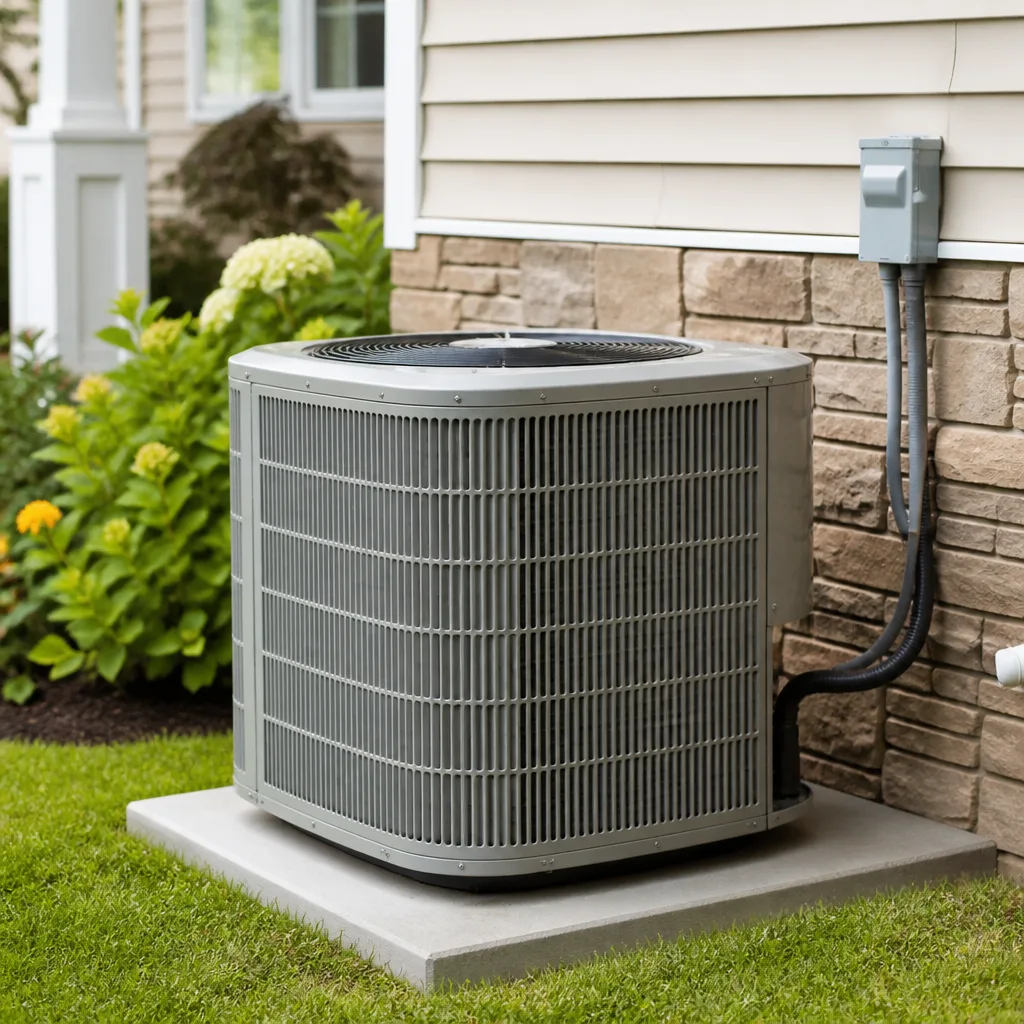 AC repair
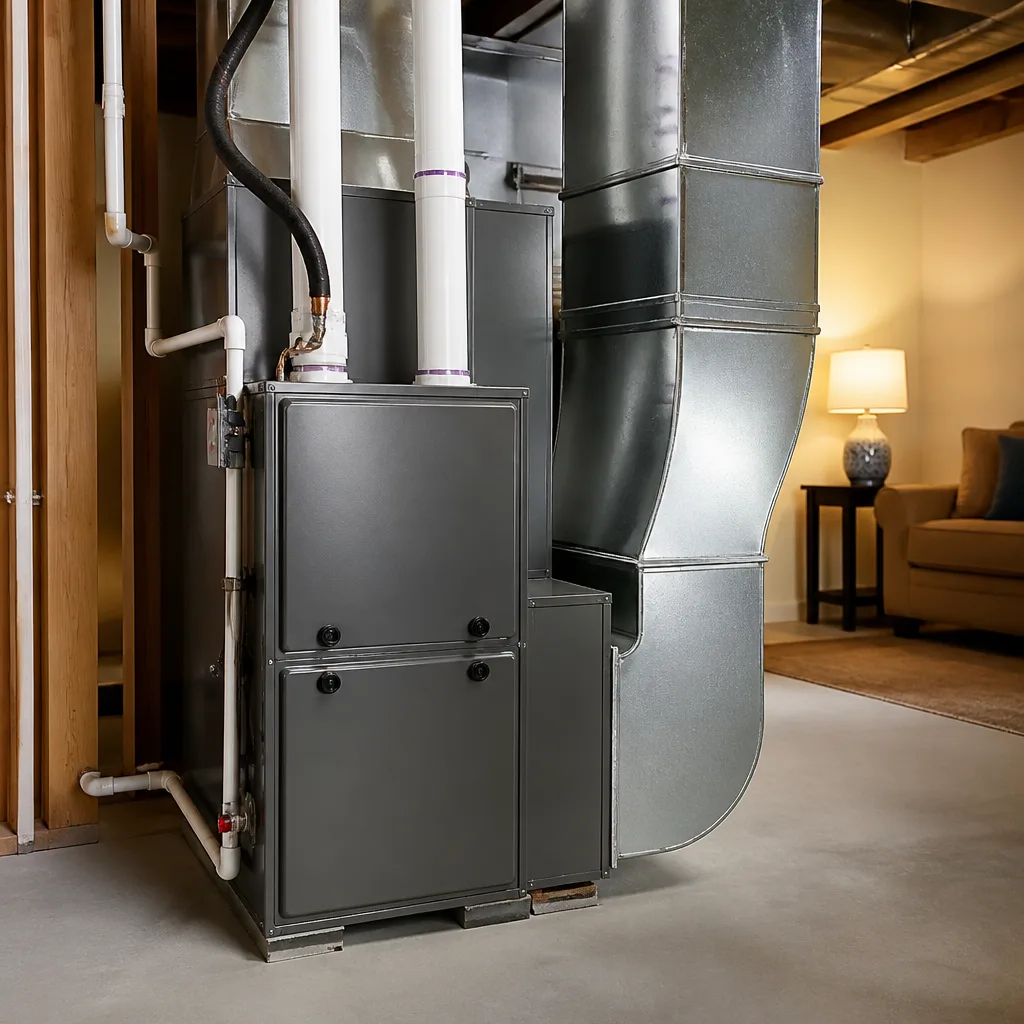 Furnace & heating
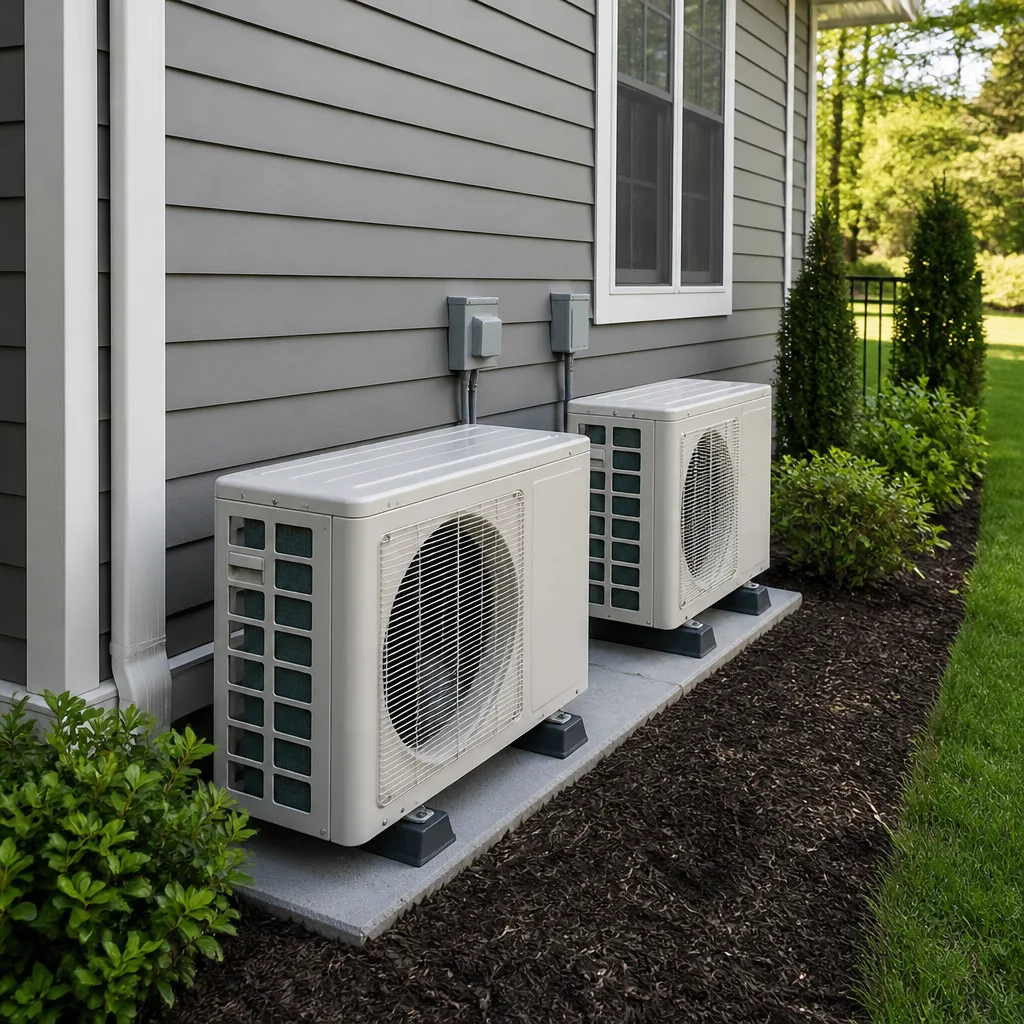 Heat pumps
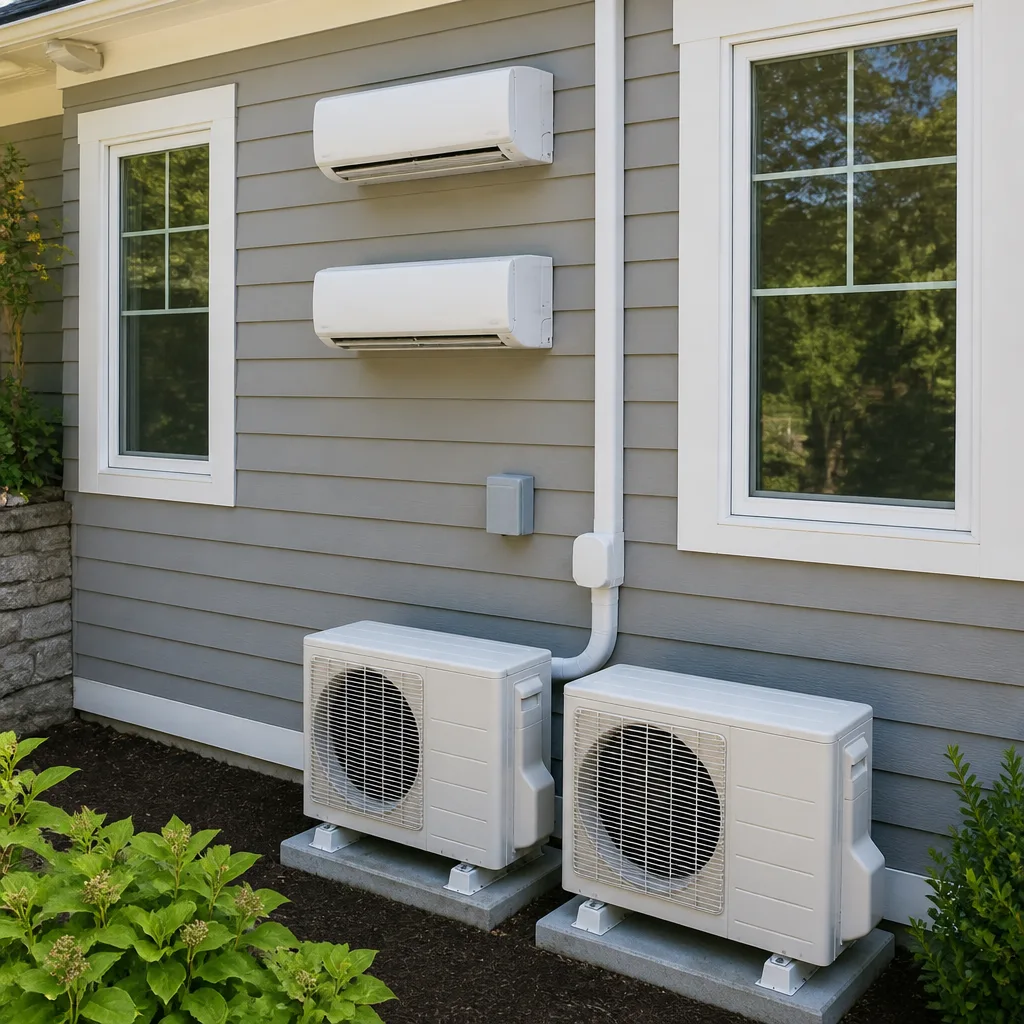 Ductless mini splits
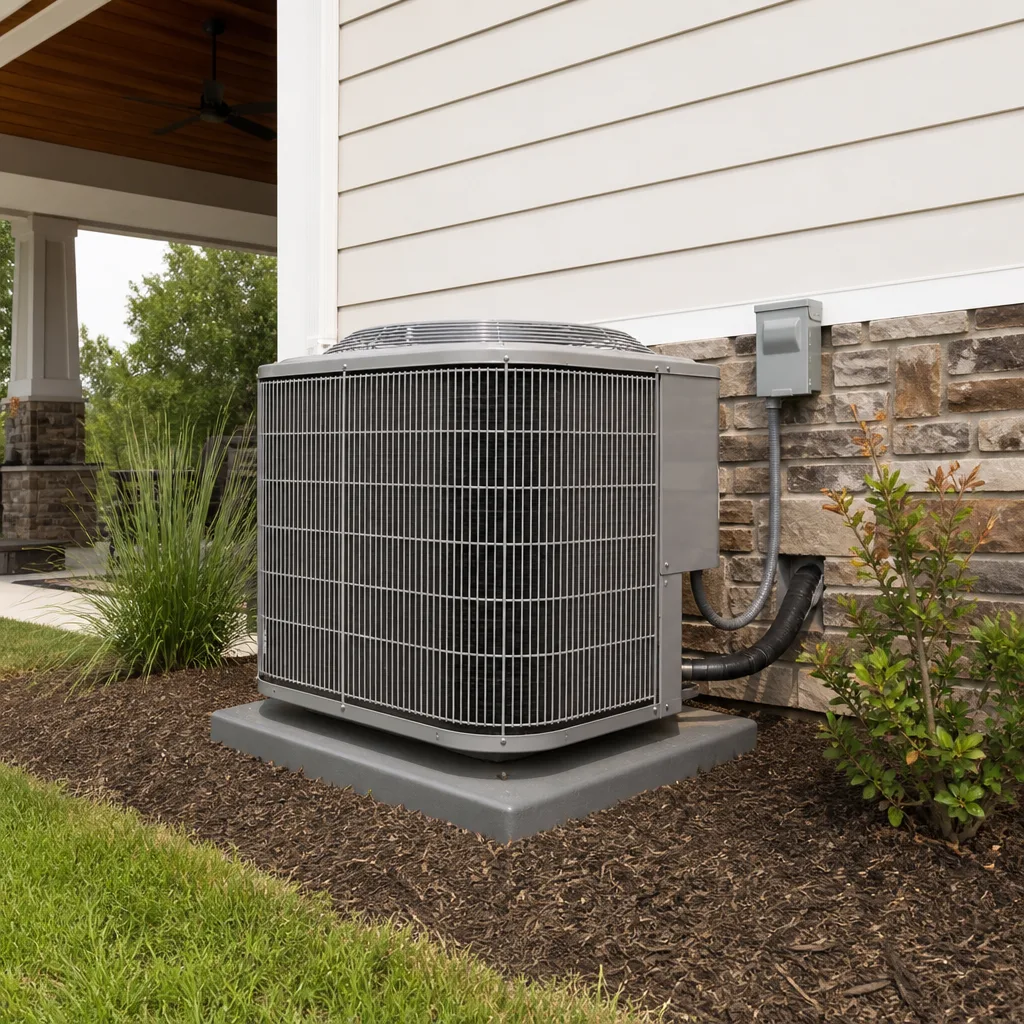 Carrier
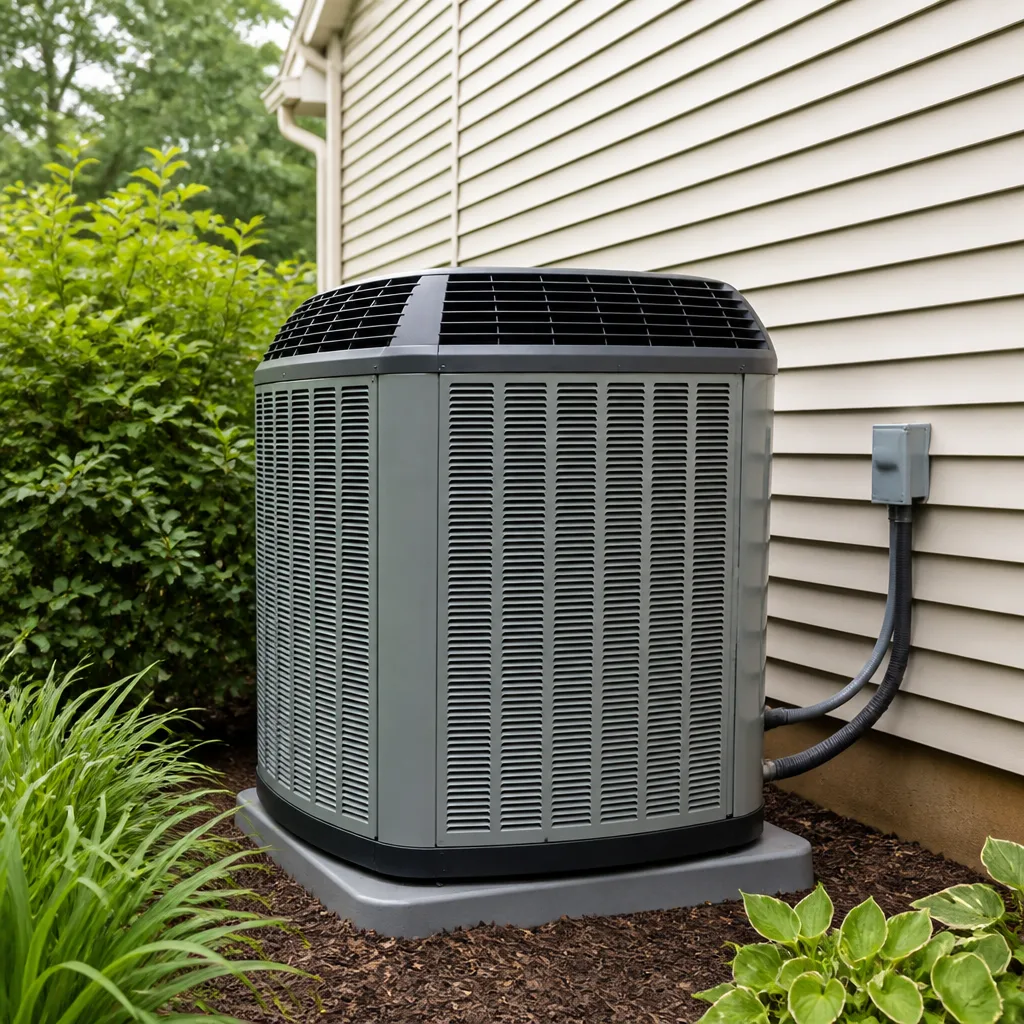 Trane
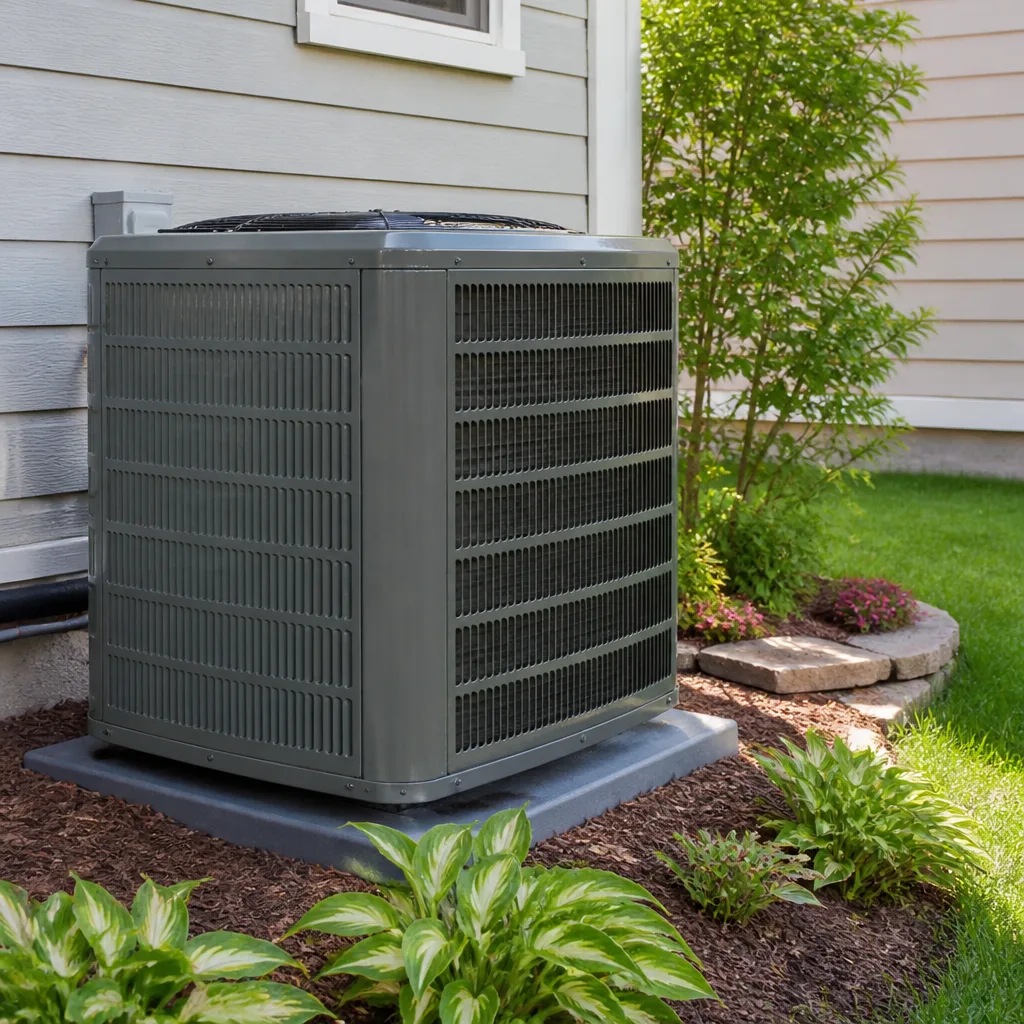 Goodman
Seasonal tune-up and full diagnostic on your Carrier, Trane, or Goodman system - readings shown to you before any repair is proposed
Diagnosis first, numbers second - you approve the repair price before a single part goes in.
Get your free estimateSeasonal HVAC Care for Carrollton: Year-Round Homeowner’s Guide
Most seasonal HVAC advice you’ll find online was written for a place with four equal seasons. Carrollton doesn’t have them. We have a long, punishing cooling season that runs from May into October, a short heating season that comes on fast and stresses equipment that sat idle for months, and two narrow shoulder windows where the weather actually cooperates with maintenance. In Carrollton, “winterizing your HVAC” is roughly a three-week window in November. Miss it and you’re either reacting to a February cold snap or letting summer grime sit in your system until March. This guide walks the calendar month by month, calibrated to how homes here actually live, so you can plan work instead of chasing failures.
Quick Answer
The best seasonal HVAC care in Carrollton follows the local calendar, not a generic spring-and-fall template: service the cooling system in March and April before the first heat wave, clean and inspect the outdoor unit before and after hail and storm season in April through June, tune the furnace in October and November before the first cold snap, and use the two shoulder windows to manage humidity, filters and coils. Proactive service in those windows prevents most of the mid-summer breakdowns we see.
Styles & brands we work with
- AC repair
- Furnace & heating
- Heat pumps
- Ductless mini splits
- Carrier
- Trane
- Goodman
Table of Contents
- Why Carrollton’s HVAC Calendar Isn’t the Standard Template
- The Month-by-Month HVAC Task Calendar for Carrollton
- March and April: The Highest-Risk Window for Your Compressor
- Outdoor Unit Care Before and After Hail and Storm Season
- Managing Humidity in Carrollton’s Muggy Shoulder Seasons
- Filter and Coil Intervals for Carrollton’s Dust, Pollen and Construction Load
- October and November: Getting the Furnace Ready Before You Need It
- Repair or Replace? The Honest Answer for Aging Equipment
Why Carrollton’s HVAC Calendar Isn’t the Standard Template
National maintenance advice assumes you’ll run heat for a few months and cooling for a few months, with long, mild gaps in between. In Carrollton, the cooling season is the main event and the heating season is short but sharp. That changes everything about timing.
Your air conditioner here works harder and longer than the same unit would in a cooler climate. It runs through a long, hot stretch where the outdoor unit bakes in direct sun and the indoor coil stays wet with condensation for months. That combination is what drives the wear we see most often: dirty coils, stressed compressors, and clogged condensate drains. Meanwhile, the furnace sits untouched for most of the year and then gets called into service abruptly when temperatures drop.
What that means for planning:
- Cooling maintenance matters more, and it matters earlier. A system that’s serviced in March has a full season ahead of it. One serviced in July has already spent its hardest weeks running dirty.
- Heating maintenance is short but critical. The furnace needs attention in the fall window, before the first real cold arrives, not after it fails.
- The shoulder seasons are your only real maintenance opportunities. In the mild stretches, equipment isn’t running hard, so it’s the practical time to clean, inspect and adjust without leaving your home uncomfortable.
If you’re not sure what shape your system is in going into a season, this is the kind of thing we help homeowners sort out across Carrollton every year. The goal is simple: do the work when it’s cheap and convenient, not when it’s an emergency.
The Month-by-Month HVAC Task Calendar for Carrollton
Here’s the calendar we recommend to homeowners in Carrollton. It’s built around how the weather actually behaves here, not a national average. Print it, stick it on the fridge, and work through it as the year turns.
- January and February: Heating season. Keep filters clean, watch for unusual furnace noises or short cycling, and keep the area around the furnace clear. If you skipped a fall tune-up, this is when you’ll notice.
- March: Pre-season cooling check. Schedule AC service before the first heat wave, replace the filter, and clear debris from around the outdoor unit.
- April: Storm readiness. Inspect the outdoor unit and its pad, check for loose panels or bent fins, and trim back vegetation. Hail and storm season typically arrives this month.
- May and June: Peak summer approach. After any significant storm, look over the outdoor unit for damage. Keep filters on a tight schedule as pollen and dust peak.
- July and August: Full cooling load. Watch for rising energy bills, weak airflow, or ice on the indoor coil, all signs the system is struggling.
- September: Late-season cooling check and a good time for coil and drain maintenance while the system is still running.
- October: Heating readiness. Schedule a furnace check before the first cold snap, replace the filter, and test that heat comes on cleanly.
- November: The heating window. Get the furnace serviced now if you haven’t. This is the three-week stretch that sets up your whole winter.
- December: Heating season. Keep filters clean and pay attention to any change in how the house heats.
Two tasks run all year: filter changes (more often in high-dust and high-pollen stretches) and a quick visual check of the outdoor unit after any storm. Everything else clusters around the two shoulder windows. If you’d rather have the cooling side handled by people who do this every day, our AC installation and service team can look at condition and tell you what actually needs doing.
March and April: The Highest-Risk Window for Your Compressor
The transition from heating to cooling in March and April is the single riskiest period for compressors in North Texas. Here’s why: after months of light or no use, the air conditioner gets called into service as temperatures climb, and it does so under conditions that punish any weakness that built up over the previous summer.
The compressor is the heart of your system and the most expensive part to replace. It sat through a long cooling season, then through a mild winter, then suddenly it’s asked to run hard again. If the refrigerant charge is off, the coil is dirty, or the condenser can’t shed heat because it’s packed with debris, the compressor works harder than it should. Add the first heat wave, when the system runs long cycles, and weak points show up fast.
What we check going into this window:
- Refrigerant charge and pressures, since an undercharged or overcharged system strains the compressor
- Condenser coil cleanliness, because a dirty coil can’t reject heat and drives up head pressure
- Electrical components and capacitors, which are common failure points after a season of heat
- Condensate drain, so a clog doesn’t leave you with water damage or a shutdown
- Thermostat operation, so the system cycles correctly instead of short cycling
Getting ahead of this window is one of the highest-value things a Carrollton homeowner can do. A March service call costs far less than a compressor replacement in June. If you don’t remember the last time your system was looked at, treat this spring as the time.
Outdoor Unit Care Before and After Hail and Storm Season
Carrollton’s hail and storm season typically arrives in April and runs through June, and your outdoor condenser sits right in the path. Hail can bend fins, damage the fan, and in bad cases dent the cabinet. Wind-blown debris and falling branches add to the risk. A little preparation and a quick check afterward protect the equipment.
Before storm season:
- Trim back shrubs and branches that could whip against the unit or drop debris on it.
- Clear leaves and dirt from around the base and check that the pad is level and not sinking.
- Look over the cabinet and panels for anything already loose, so wind doesn’t make it worse.
- Make sure nothing is stacked or stored on top of or against the unit.
After a storm:
- Inspect the fins for flattening or impact damage, and the fan for bent blades.
- Check the cabinet and panels for dents, loosened screws or gaps.
- Clear any leaves, twigs or debris that collected on or around the unit.
- Watch for new noises or reduced performance when the system runs.
If you see physical damage after a storm, don’t just run the system and hope. Bent fins and damaged components can reduce efficiency and, in worse cases, cause the system to work against itself. We service outdoor units from Trane, Lennox, Goodman and other major brands every storm season, and a quick inspection is far easier than a repair in July.
Managing Humidity in Carrollton’s Muggy Shoulder Seasons
One of the trickier problems here is the shoulder season, when it’s warm and muggy but not hot enough to keep the air conditioner running consistently. When the AC short-cycles or barely runs, it doesn’t pull enough moisture out of the air, and the house feels clammy even at a comfortable temperature.
That sticky feeling is about relative humidity, not just temperature. During these in-between stretches, neither heating nor steady cooling is doing the moisture removal the house needs. A few practical strategies help:
- Don’t overcool then shut off. Setting the thermostat very low for a short burst and then turning the system off leaves moisture behind. Steady, moderate operation removes more humidity.
- Keep the fan on low or auto thoughtfully. Circulating air helps, but running the fan constantly can re-evaporate moisture off a wet coil, so ask what’s right for your system.
- Use the kitchen and bath exhaust fans. Cooking and showers add a lot of moisture to a closed house.
- Check the condensate drain. A slow or clogged drain raises indoor humidity and risks water damage.
- Consider your AC’s dehumidification settings. Many modern systems have options to run longer cycles for better moisture removal.
If your home feels damp through these stretches every year, it’s worth having the system checked rather than fighting it. Sometimes a charge issue or a dirty coil is the real cause, and it’s an easy thing to diagnose and fix.
Filter and Coil Intervals for Carrollton’s Dust, Pollen and Construction Load
Carrollton’s dust, pollen and the steady construction going on around the area all load up your filter and coil faster than the generic “every three months” advice suggests. A clogged filter restricts airflow, which makes the system work harder and can lead to frozen coils and higher energy use.
Here’s a practical filtering schedule for a Carrollton home:
- Standard 1-inch filters: check monthly, change every 30 to 60 days, more often during peak pollen or if you’re near construction activity.
- Thicker pleated filters: these can often go longer, but still check monthly. Follow the filter’s own guidance on the package.
- After any major dust event: new construction nearby, road work, or a windy dry stretch, check the filter sooner.
- Pets in the home: shorten the interval, since pet hair adds to the load.
The indoor coil is the other half of this. It stays wet during the cooling season, and dust that gets past the filter sticks to it. When that buildup combines with a long, hot summer, the coil loses efficiency and the system strains. Coil cleaning is best done during a shoulder window when the system isn’t running hard. Ask about it during a seasonal check, and pair a filter schedule with a coil inspection so the two stay in step.
October and November: Getting the Furnace Ready Before You Need It
The heating season in Carrollton is short, but the first cold snap always comes faster than people expect, and that’s exactly when a furnace that sat idle all summer decides to act up. The fall window, roughly October through November, is when to get ahead of it. This is the point we make every year: winterizing your HVAC here is a three-week window in November, and missing it means gambling on a cold snap.
A furnace check before the season typically covers:
- Filter replacement and airflow check
- Cleaning and inspection of the burners and ignition components
- Checking the heat exchanger and flue for safety
- Testing the blower and verifying it starts and runs cleanly
- Thermostat test to confirm heat comes on and cycles correctly
Some of this work involves gas and electrical components that aren’t a homeowner job. If your furnace has a gas smell, a strange odor when it runs, unusual noises, or won’t ignite, that’s a call-a-professional situation, not a do-it-yourself fix. Our furnace repair team handles these checks and repairs across the major brands, and the fall is the right time to use that help. If your furnace is older, this visit is also the moment to get a straight answer on repair versus replacement, so you’re not making that call in the middle of a cold snap.
Repair or Replace? The Honest Answer for Aging Equipment
Sooner or later every homeowner faces the same question: is it worth fixing this system, or is it time for a new one? The honest answer depends on the equipment’s condition, its age, and whether the repair actually solves the underlying problem. A brand-new part on a system with a failing compressor or a rusted-out heat exchanger doesn’t buy you much.
Some questions to work through:
- How old is the equipment? Older systems tend to need more frequent repairs and run less efficiently.
- What’s failing, and is it structural? A compressor or heat exchanger is a bigger deal than a capacitor or a thermostat.
- How often have you repaired it recently? A pattern of repairs points toward replacement.
- Does the fix actually address the cause? If the real problem is a dirty coil or a charge issue, the right repair is different from swapping parts.
We work on both sides of this: we’re built around your system, not a brand deal, so the recommendation comes down to what the equipment actually needs. When replacement is the answer, we handle the full swap on the cooling side and on the heating side, so you’re not coordinating multiple contractors. Our Carrollton AC Repair team can walk through repair versus replace with you in plain terms. It’s a conversation worth having before the system forces your hand.
Common Mistakes to Avoid
- Waiting for the first heat wave to service the AC. By then the system is already running dirty and under strain. In Carrollton, April is too late for a pre-season check.
- Skipping the fall furnace check because “it’s still warm.” The cold snap comes fast here, and a furnace that sat all summer should be tested before you need it.
- Stretching filters to the generic three-month interval. Dust, pollen and local construction load filters faster here. Check monthly during the busy stretches.
- Ignoring the outdoor unit after storms. Hail and wind do damage that’s easy to miss until the system runs hot and loud. Look it over after every significant storm.
- Fighting shoulder-season humidity by overcooling. Short bursts of heavy cooling leave moisture behind and stress the system. Steady operation removes more humidity.
- Stacking things against the outdoor unit. Storage, plants and wood piles block airflow, which is the last thing a hard-working condenser needs.
- Choosing repair or replacement in a panic. Deciding during a breakdown means less information and more pressure. Get the honest answer in a shoulder window.
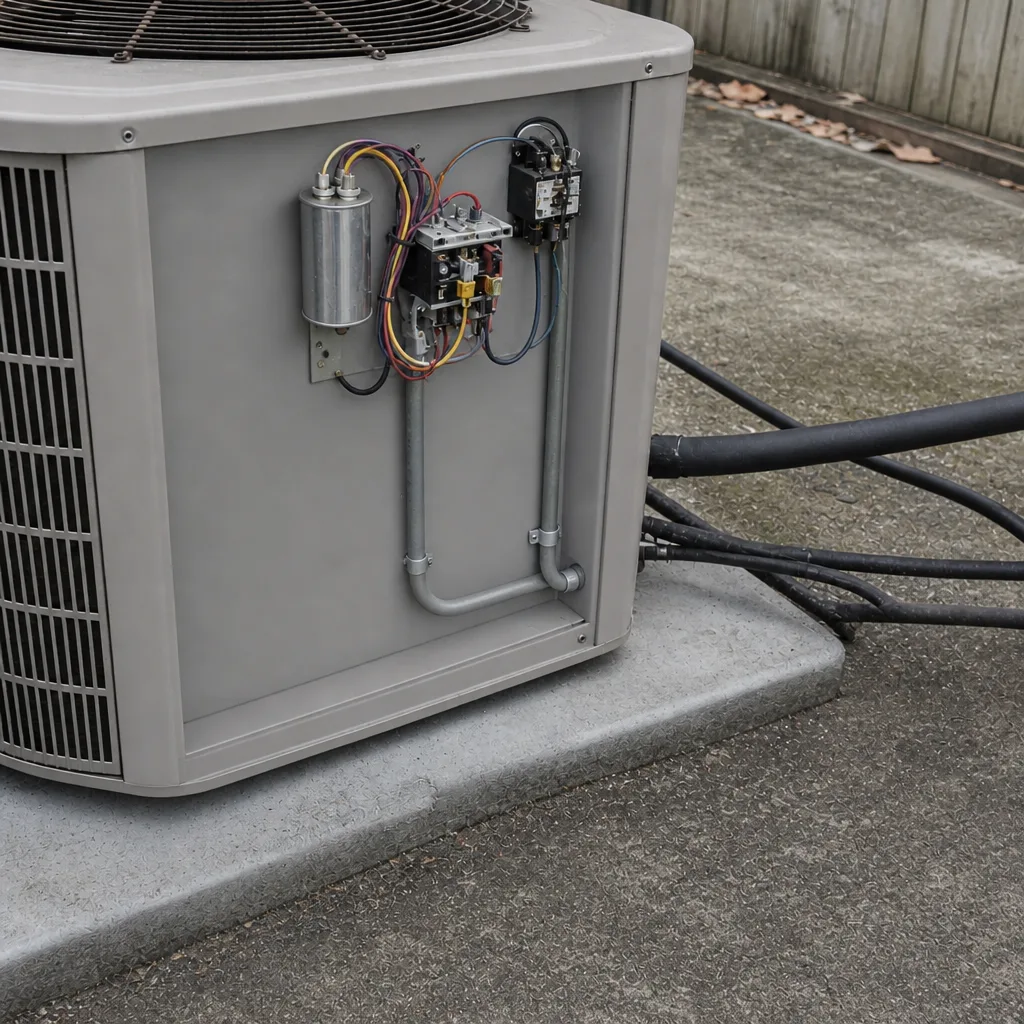
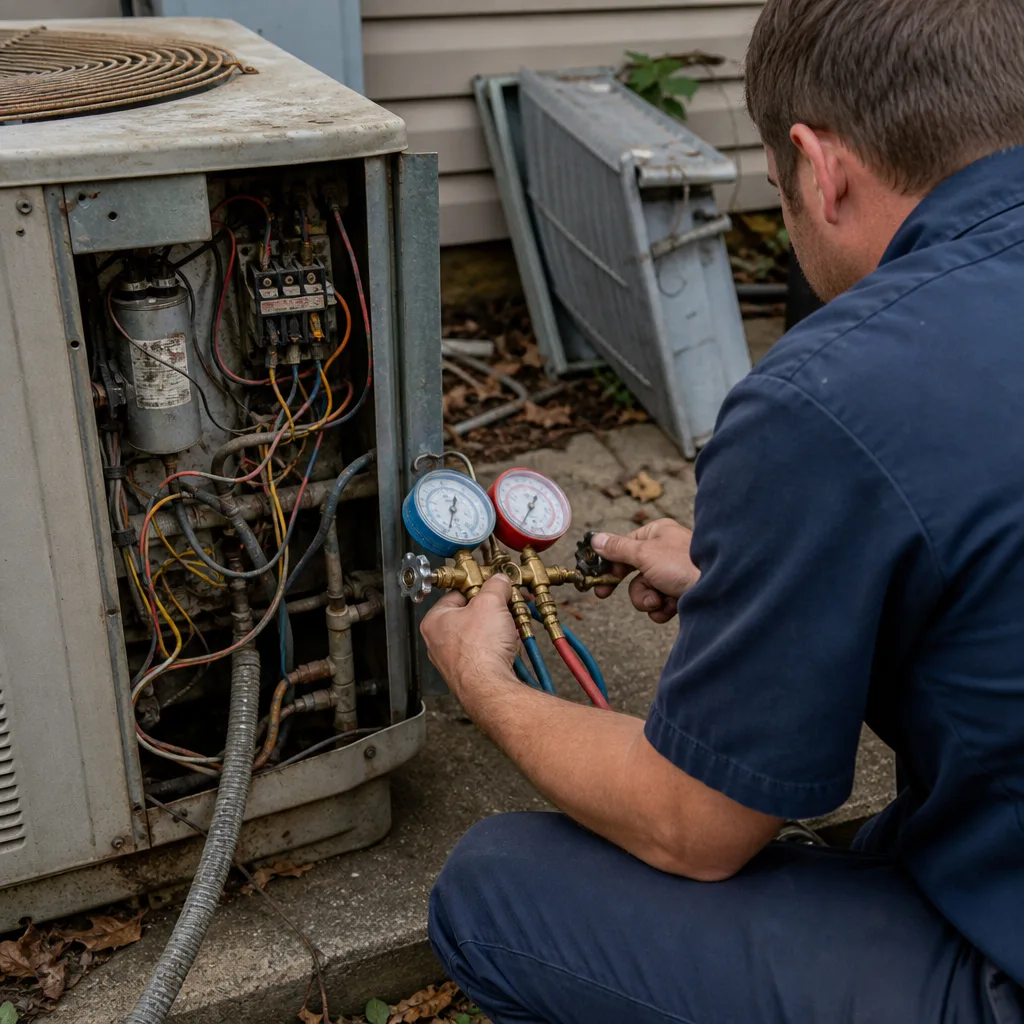
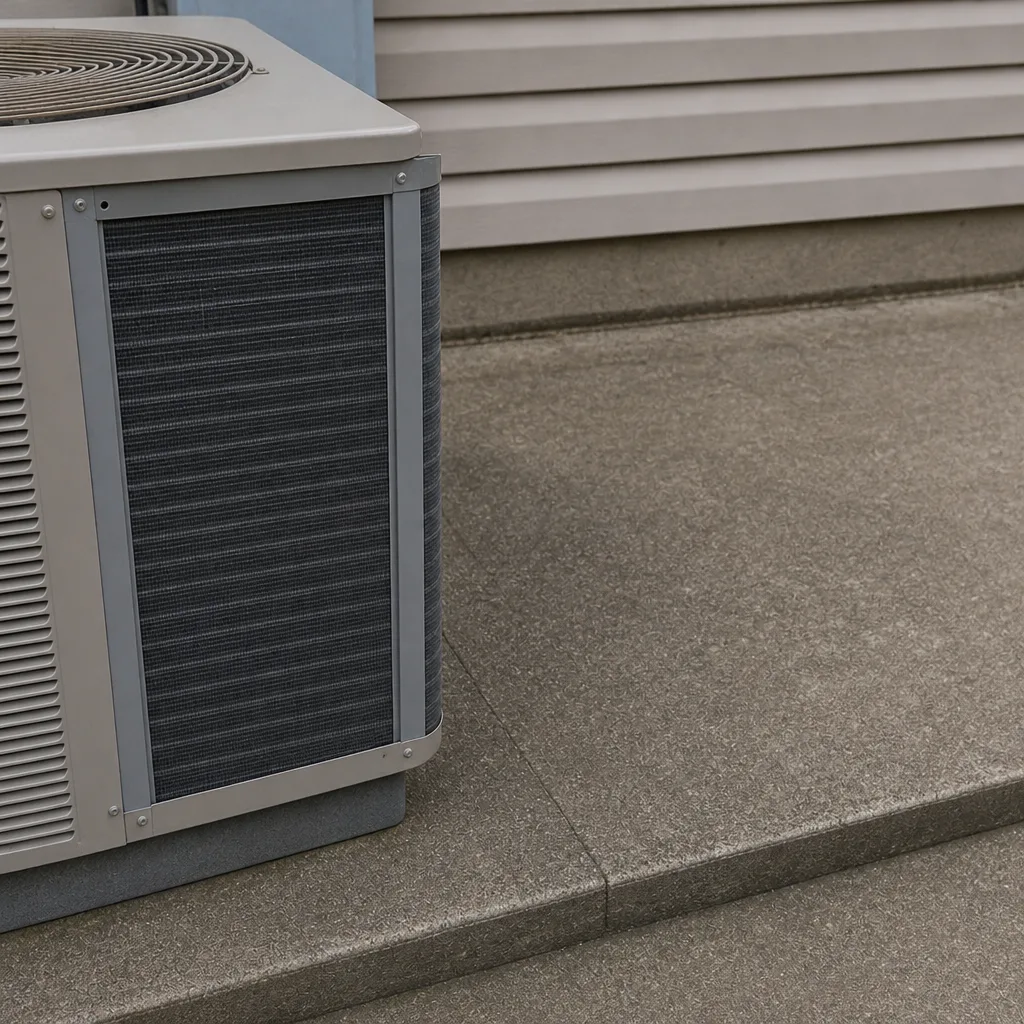
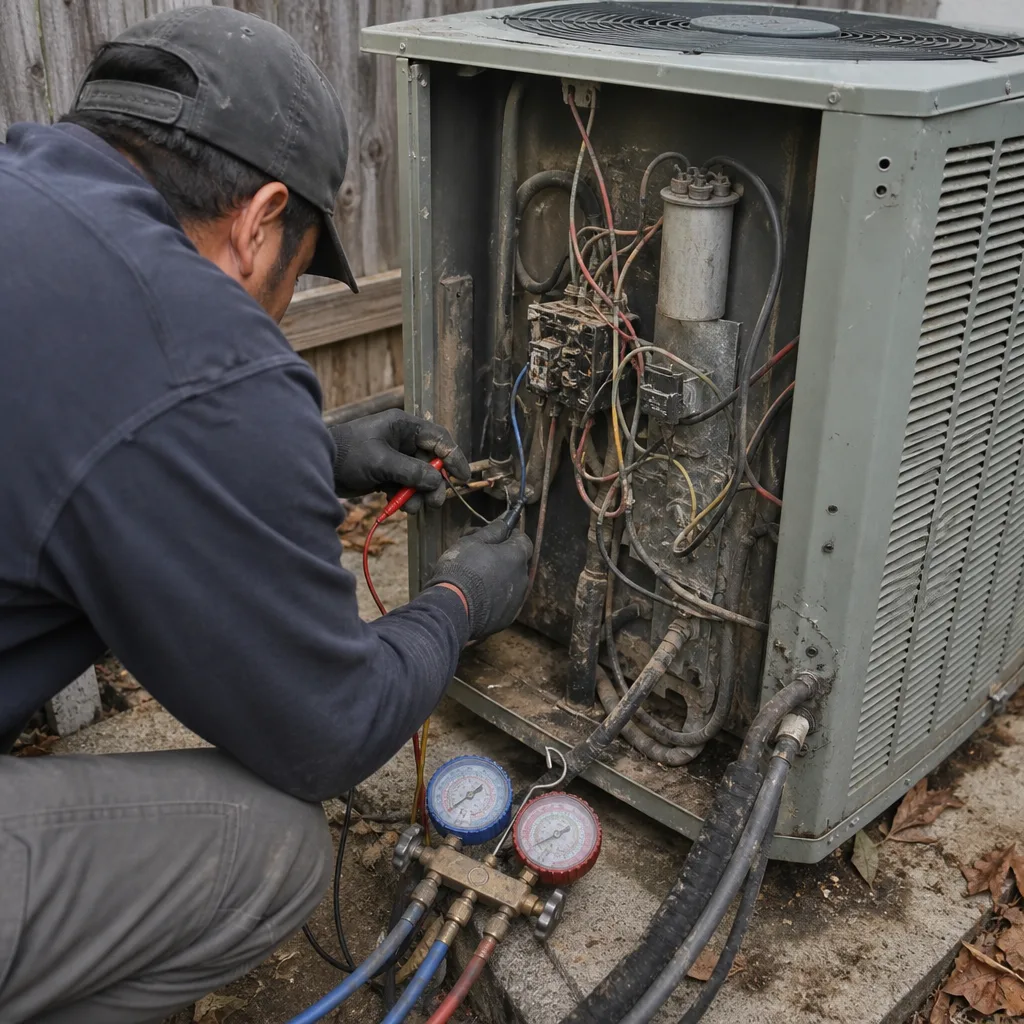
See the difference
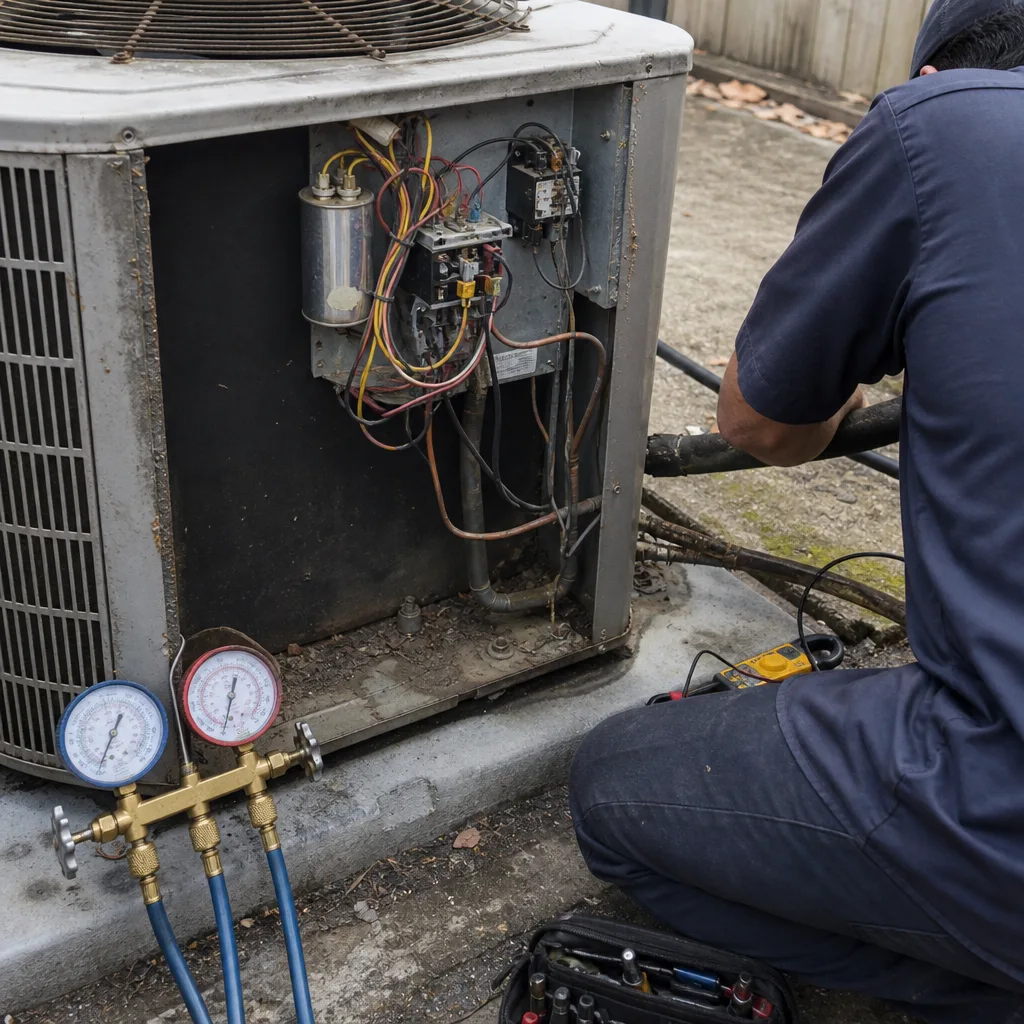 Before
 After
 Before
 After
 Before
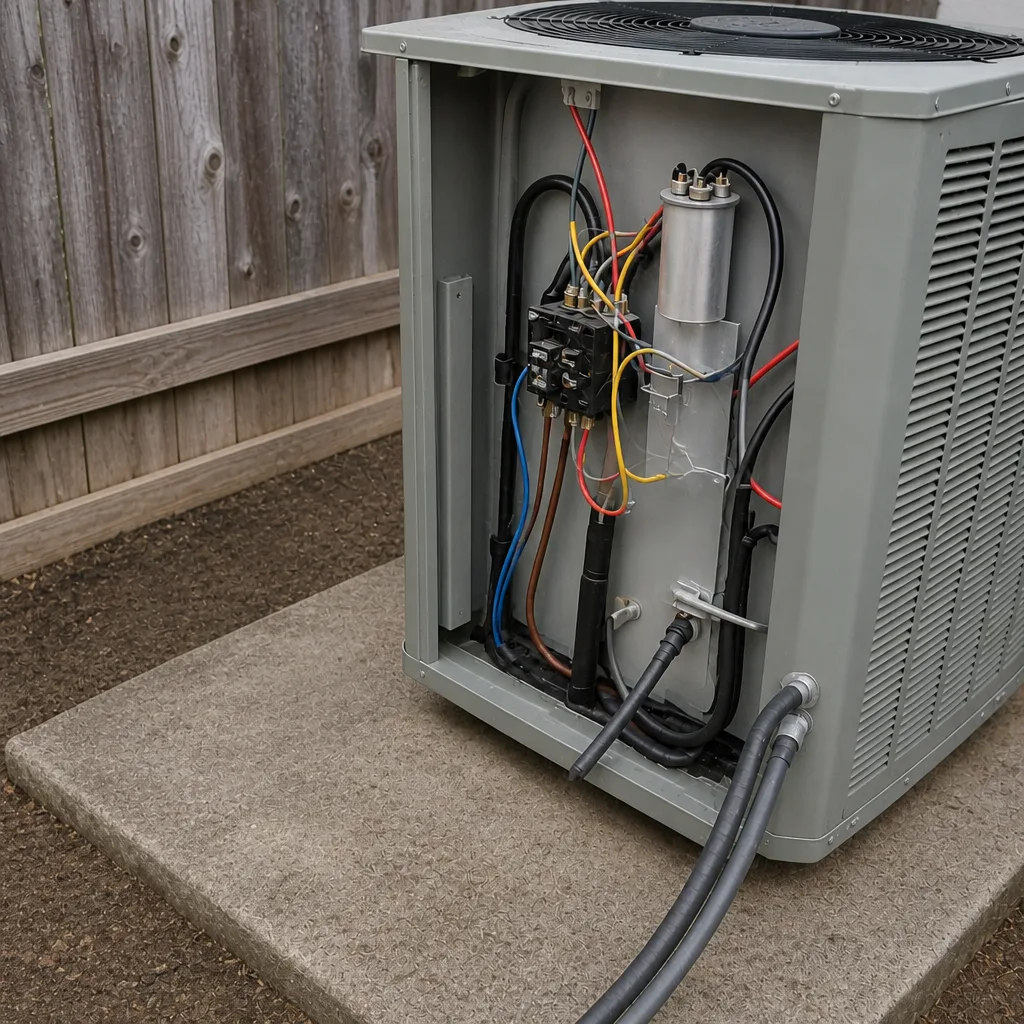 After
When to Call a Professional
Some seasonal tasks you can handle yourself: filter changes, clearing debris from around the outdoor unit, and a visual check after a storm. Others are the kind of thing a trained technician should look at. Call us when your system won’t cool or won’t heat properly, when you hear unusual noises, when energy bills jump without explanation, when you see ice on the indoor coil or water around the unit, or when a furnace smells or won’t ignite. Gas and electrical components are not a do-it-yourself job, and a trained professional is the safe and smart choice there. If you’re unsure about your equipment’s condition going into a new season, a quick check tells you what you’re dealing with.
Carrollton AC Repair offers free estimates in Carrollton. Call (855) 759-1429. We answer 24/7. Fast dispatch from 7am to 7pm, Sunday through Friday.
Frequently Asked Questions
Twice a year, timed to the local calendar. Service the cooling side in March or April before the heat arrives, and the heating side in October or November before the first cold snap. Those two checks cover the seasons that actually stress equipment here, and they line up with the shoulder windows when the system isn’t running hard.
March and April. That’s the window before the first heat wave, when a serviced system has the whole cooling season ahead of it. Waiting until summer means the system starts its hardest weeks already dirty and under strain. Call (855) 759-1429 to get on the schedule before the rush.
Because of the transition. After a long cooling season and a mild winter, the system gets called hard into service as temperatures climb, and any weakness built up over summer shows up under that first heat wave. Correct refrigerant charge, a clean condenser coil and healthy capacitors going into the season prevent most of it.
Focus on steady, moderate cooling rather than short bursts, keep moisture sources in check with exhaust fans, and make sure the condensate drain is clear. If it feels damp every year, have the system checked for a charge issue or a dirty coil, since those are common causes of poor moisture removal.
Check it monthly and change standard 1-inch filters every 30 to 60 days, more often during peak pollen or if there’s construction nearby. Carrollton’s dust and pollen load fills filters faster than the generic guidance. Thicker pleated filters can often go longer, but monthly checks still apply.
It depends on the equipment’s age, what’s failing, and how often it’s needed repairs recently. A compressor or heat exchanger failure is a bigger deal than a capacitor, and a pattern of repairs points toward replacement. Get the honest answer during the fall check, before a cold snap forces the decision. Call (855) 759-1429 for a free estimate.
The Bottom Line
Carrollton’s HVAC year is not four equal seasons. It’s a long, hard cooling season, a short but sharp heating season, and two shoulder windows that are your only real chance to get ahead of problems. Service cooling in March and April, handle the outdoor unit around hail and storm season, get the furnace ready in October and November, and manage filters and humidity all year. Line repair work up with those windows and you spend less time reacting to breakdowns. When you’d rather have a trained technician take a look, we’re here to help, with free estimates and a straight answer on what your system actually needs.
Written by the team at Carrollton AC Repair.