
Last updated November 15, 2026
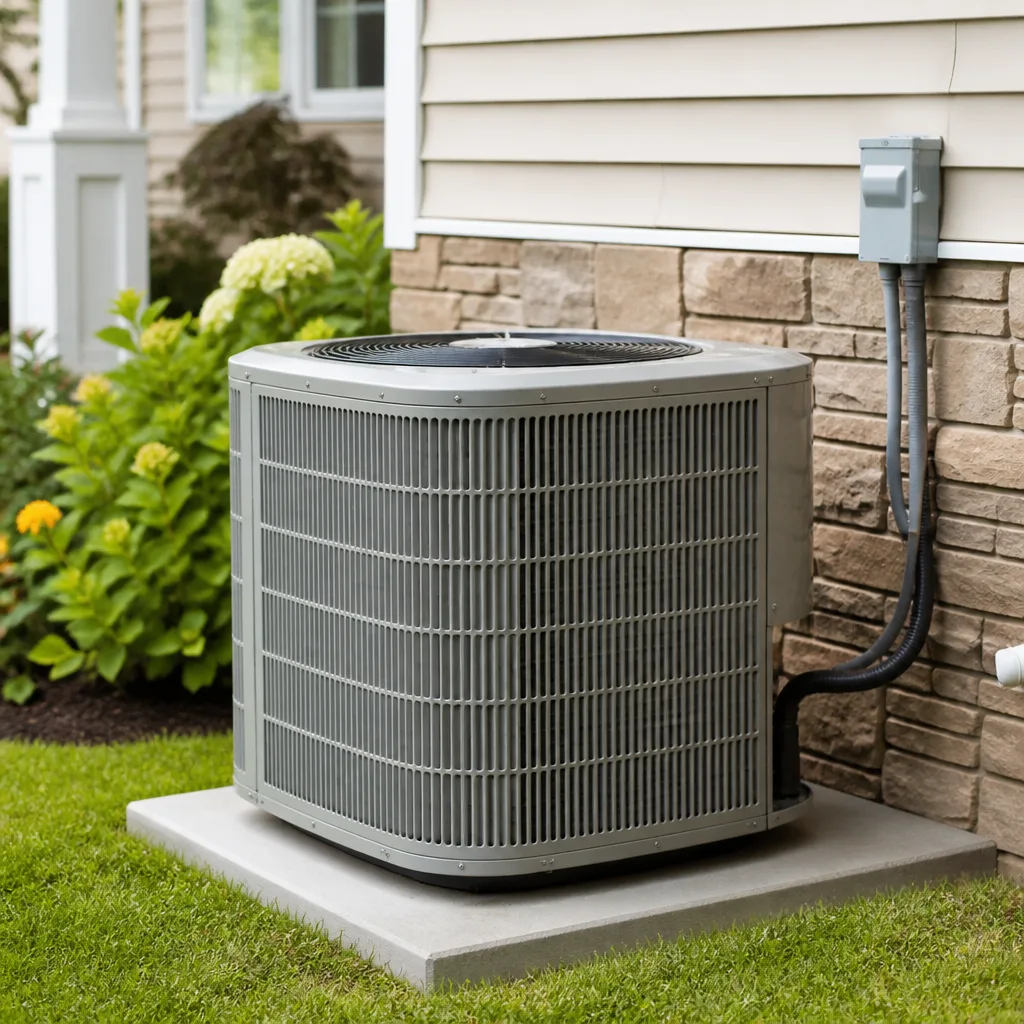 AC repair
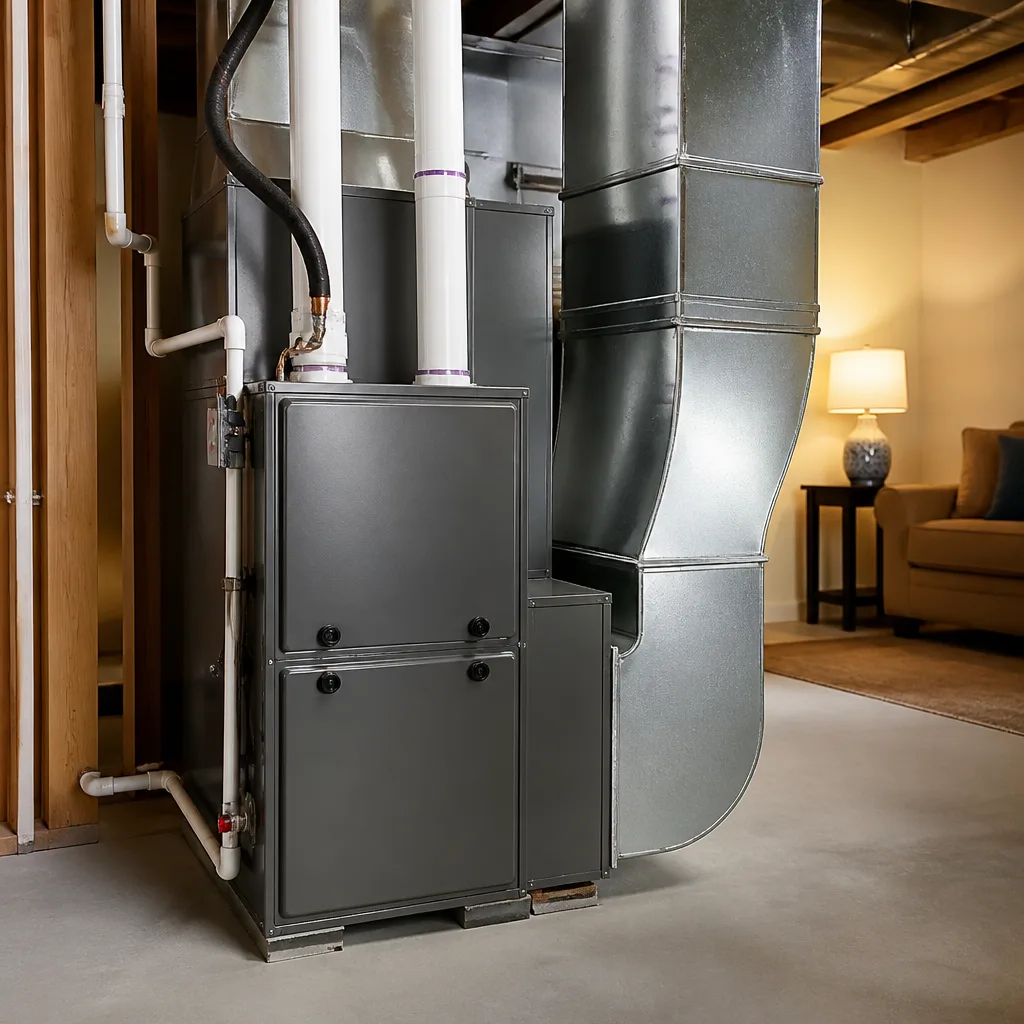 Furnace & heating
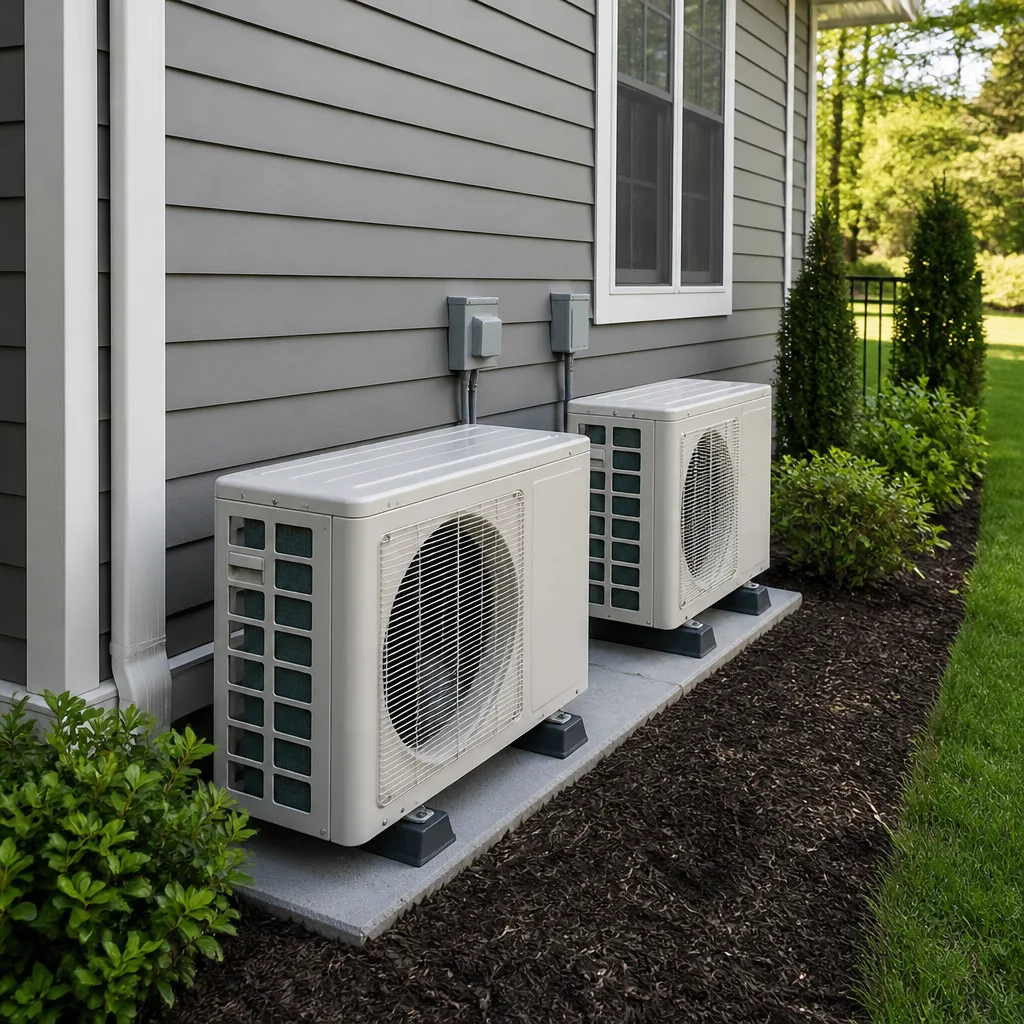 Heat pumps
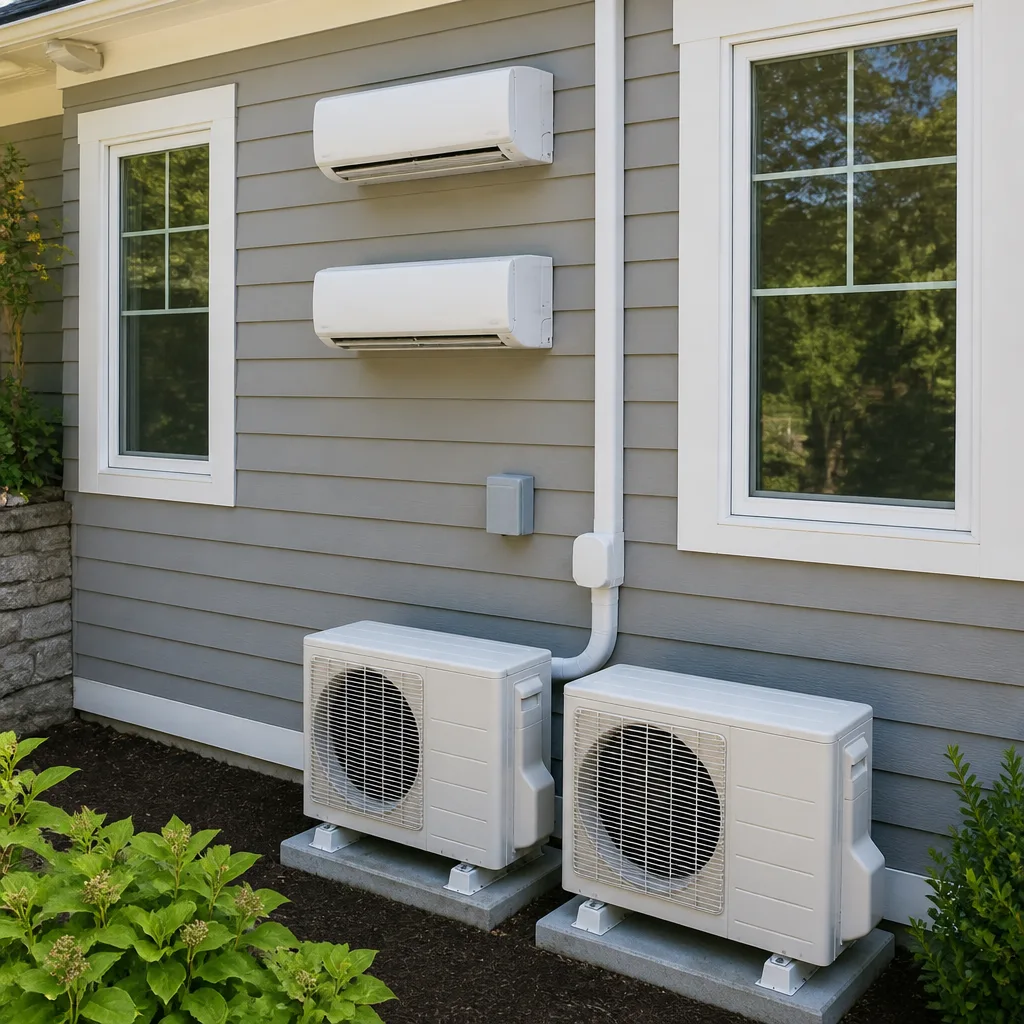 Ductless mini splits
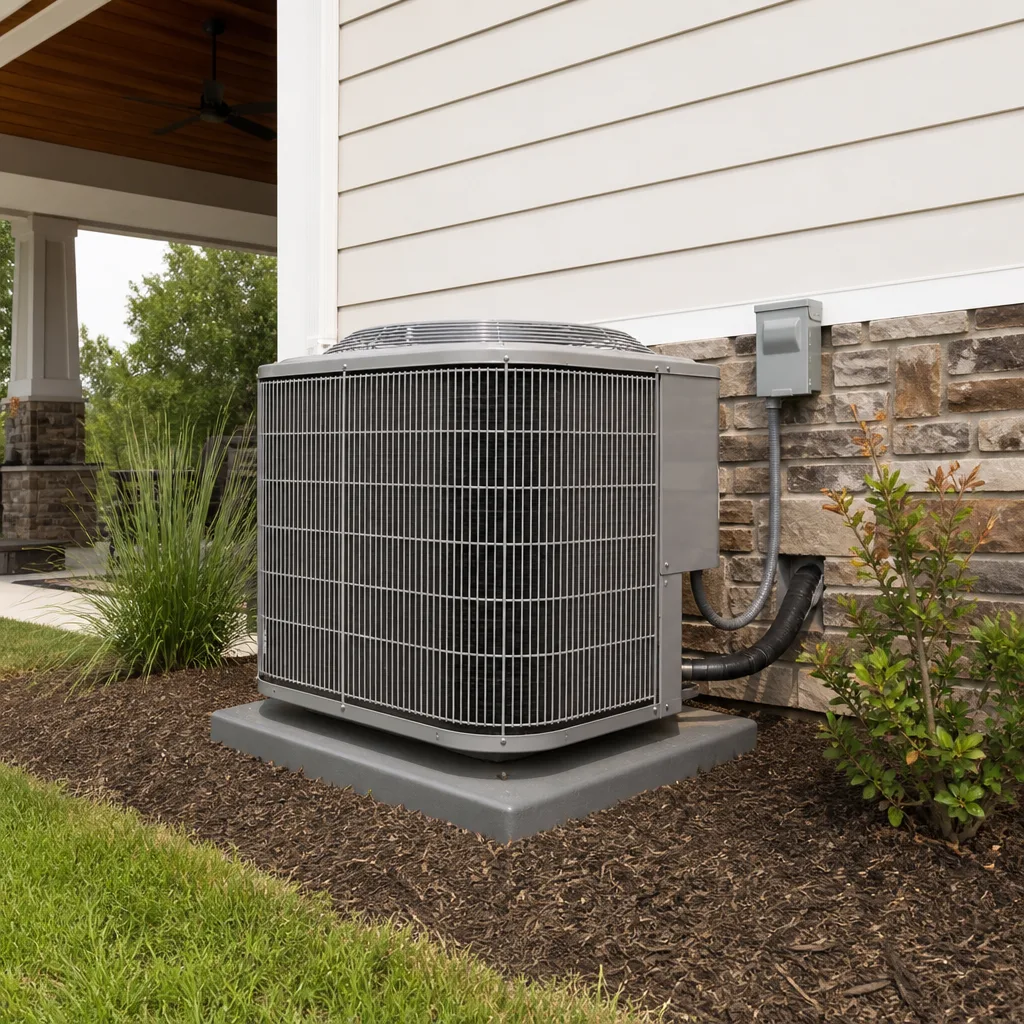 Carrier
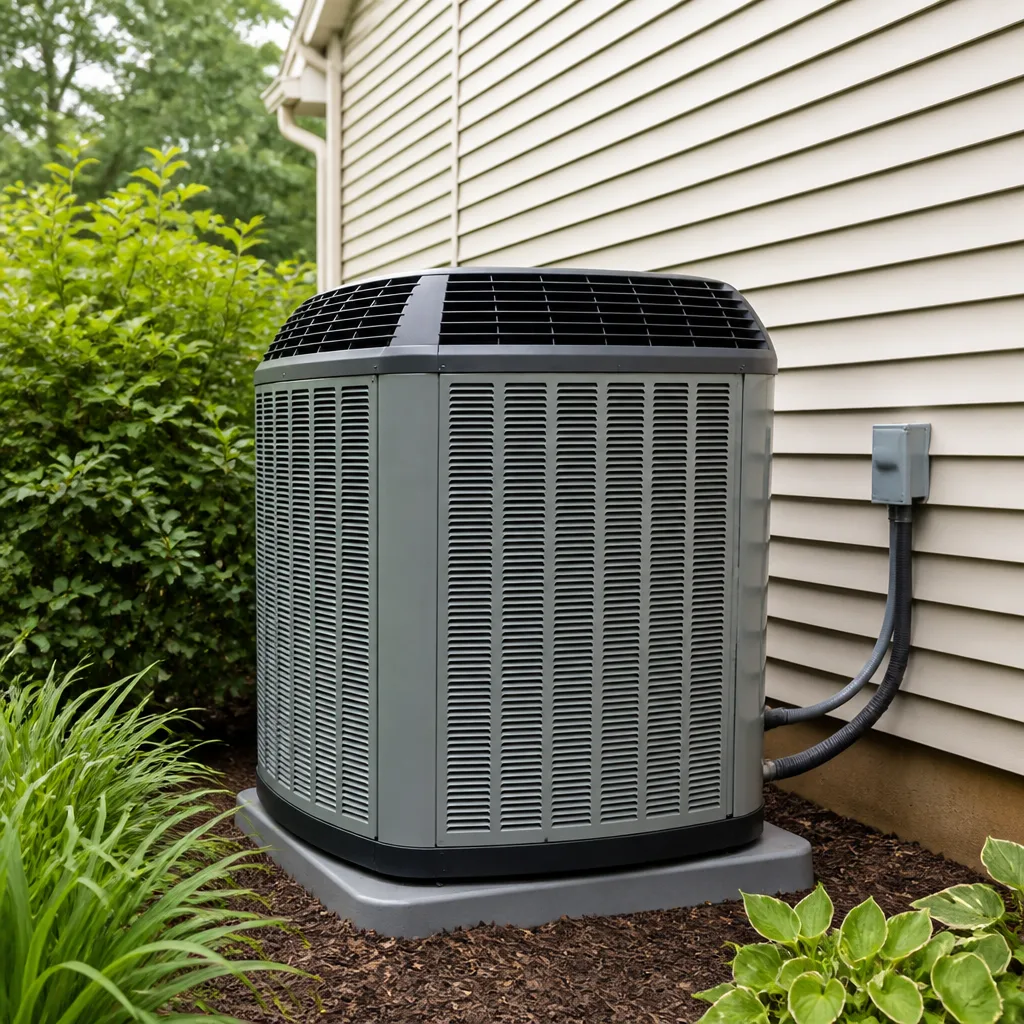 Trane
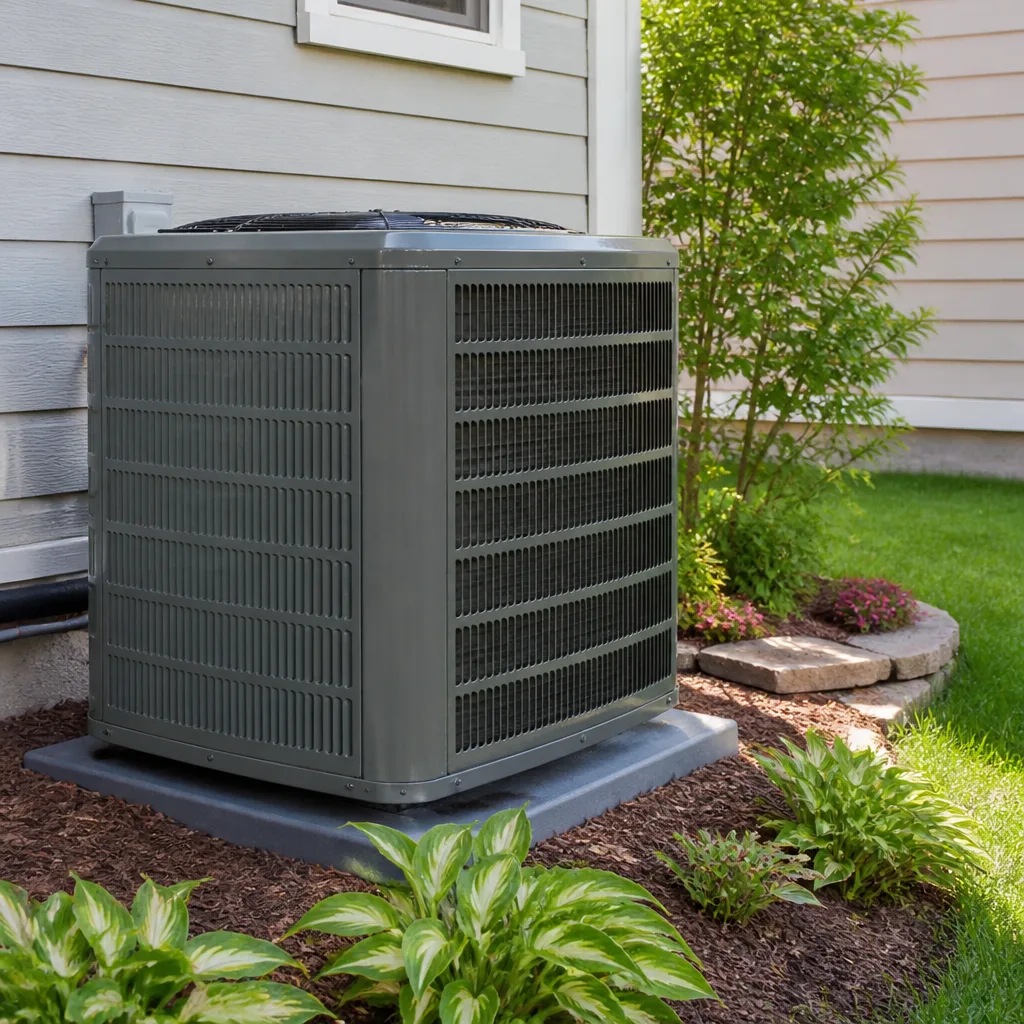 Goodman
Seasonal tune-up and full diagnostic on your Carrier, Trane, or Goodman system - readings shown to you before any repair is proposed
Diagnosis first, numbers second - you approve the repair price before a single part goes in.
Get your free estimateHow to Hire an HVAC Contractor in Carrollton: A Step-by-Step Guide
The contractor with the lowest bid and the most Google reviews may still be the wrong hire. If they’re a single-brand dealer and your home runs a different brand system, you’re starting the relationship with a knowledge gap they’ll charge you to close. Most hiring advice stops at “get three quotes and check reviews,” which is not a process. It’s a coin flip with extra steps. This guide gives Carrollton homeowners a structured vetting sequence that surfaces technical competence before money changes hands: how to check licensing, which questions expose a real technician, and how to read a quote line by line.
Quick Answer
To hire an HVAC contractor in Carrollton, verify the license and complaint history first, ask five technical questions before accepting any quote, confirm the written scope names equipment model numbers and permit responsibility, and read the quote line by line to separate equipment cost from labor. A contractor who already knows your brand of system, answers technical questions specifically, and puts everything in writing is the one to hire. Price matters, but it comes last, not first.
Styles & brands we work with
- AC repair
- Furnace & heating
- Heat pumps
- Ductless mini splits
- Carrier
- Trane
- Goodman
Table of Contents
- Why the Hiring Order Matters More Than the Quote
- Step 1: Verify Licensing and Complaint History
- Step 2: The Five Technical Questions to Ask Before Any Quote
- Step 3: Spot the Single-Brand Dealer Trap
- Step 4: What a Written Scope of Work Must Include
- Step 5: Read the Quote Line by Line
- How Carrollton’s Climate Changes What You Should Ask
- Common Mistakes to Avoid
Why the Hiring Order Matters More Than the Quote
Most homeowners collect three bids and pick the middle one. That feels careful, but it’s actually the reverse of how a good hiring decision works. You’re comparing prices before you’ve confirmed that any of the three contractors is competent, licensed, or familiar with your equipment. The result is that the cheapest bid often wins by default, and the cheapest bid is frequently cheap because it skips something the others included.
A better sequence flips the order. You verify qualifications first, then ask questions that reveal technical depth, and only then compare prices between contractors who passed both screens. This matters in Carrollton because the market is dense and the range of contractors is wide. Some run disciplined operations with trained technicians. Others are one person with a truck and a phone, or generalist handymen who take HVAC work between plumbing jobs.
Three facts about our own operation matter for this guide. Our technicians have up to experience. We service nine of the industry’s most-installed brands, including Carrier, Trane, Lennox, Goodman, Rheem, York, Daikin, Bryant, and American Standard. And HVAC is all we do, which is why we can tell you which questions actually separate a competent contractor from a confident one.
Here’s the framework this guide follows:
- Verify – license status and complaint history
- Interrogate – five technical questions, and what a weak answer sounds like
- Detect – is this contractor a single-brand dealer with a built-in bias?
- Scope – does the written work description protect you?
- Compare – read each quote line by line, only now
Each step below is written to stand alone, so you can jump to the one you need.
Step 1: Verify Licensing and Complaint History
Texas requires HVAC contractors to be licensed through the Texas Department of Licensing and Regulation, or TDLR. Before anyone walks into your home, confirm their license is active and look up whether complaints have been filed against them. This takes a few minutes and eliminates the worst outcomes before they start.
Here’s how to run the check:
- Ask the contractor for their TDLR license number. A legitimate operator gives it without hesitation.
- Search that number on the TDLR website to confirm the license is current, not expired or suspended.
- Look up the company’s complaint history. A pattern matters more than a single closed complaint.
- Confirm the person showing up at your door is connected to the licensed company, not a subcontractor operating under someone else’s number.
- Ask for a certificate of insurance. A licensed contractor should carry general liability and workers’ compensation coverage.
A confident contractor treats this as routine. A hesitant one, or one who says “we’re fully licensed” without giving you a number to check, is telling you something. Licensing is the floor, not the ceiling, but it’s the floor for a reason: unlicensed work can void manufacturer warranties and create liability that lands on you as the homeowner.
What Complaint History Actually Tells You
One complaint on a busy contractor’s record is not disqualifying. HVAC work happens in stressful moments, and disputes occur. What you’re looking for is a pattern: multiple complaints about the same issue, such as work not completed, warranty claims denied, or pressure tactics on elderly homeowners. That pattern is a predictive signal. The TDLR record is public and it’s there for exactly this purpose, so use it before you use a review site.
Step 2: The Five Technical Questions to Ask Before Any Quote
These five questions are designed to reveal whether the person in front of you actually understands HVAC or is reading from a sales script. Ask them before any quote is written, and listen carefully to how the answer is delivered. A confident, specific answer sounds different from a vague one, and the difference tells you what you need to know about the quality of work you’re likely to receive.
1. “What’s the model and tonnage of my current system?”
A real technician reads the data plate on the outdoor unit and the air handler before saying anything. A vague answer like “it’s a standard three-ton” without looking is a warning sign. If they can’t tell you the equipment they’re quoting replacement for, they haven’t sized the job properly. Correct sizing depends on a load calculation, not a guess based on the square footage of your home.
2. “Did you perform a load calculation, or are you replacing like for like?”
A confident answer describes a Manual J load calculation or explains why they’re matching existing capacity after checking the ductwork and the home’s insulation. A weak answer is “we’ll put in the same size that’s there now.” That may turn out to be correct, but it’s a shortcut, not a calculation. Carrollton homes built across different decades have very different envelope characteristics, and the tonnage that suited a 1980s build may be oversized or undersized for a newer one.
3. “What’s my refrigerant type, and what does that mean for this repair?”
Older systems use R-22, which is phased out and expensive to service. Newer systems use R-410A or newer refrigerants. A competent contractor tells you which one you have, whether it affects the repair cost, and whether the repair makes sense given the refrigerant situation. Vague answers about “Freon” without specifics suggest they haven’t looked.
4. “Can you explain what’s actually failed before you quote replacement?”
This is the repair-versus-replace question, and it separates a diagnostician from a salesperson. A confident contractor names the failed component, explains how it failed, and gives you the cost of the repair alongside the replacement option. A contractor who skips to “you need a new system” without diagnosing has decided the outcome before examining the equipment.
5. “Do you service my brand, and how often do you work on it?”
Brand familiarity matters more than most homeowners realize. An American Standard system and a Daikin system are not the same machine, even when the repair principle is similar. A contractor who works across many brands knows the common failure points for each. A single-brand dealer may know one brand deeply and struggle with yours. We work on your brand because that’s the whole job: when a system is unfamiliar, diagnosis costs time, and time costs money.
Step 3: Spot the Single-Brand Dealer Trap
When a contractor is an authorized dealer for one manufacturer, their business model is built around selling and installing that manufacturer’s equipment. That’s not dishonest, but it creates a structural conflict. When repair and replacement are both options, the dealer’s financial incentive leans toward replacement with the brand they carry.
You can identify a single-brand dealer during the quoting process. Watch for these signals:
- Every recommendation is the same brand. If you ask about three options and all three are from one manufacturer, the diagnosis may be fine but the options aren’t.
- The word “authorized dealer” appears before the diagnosis. Credentials are legitimate, but they shouldn’t substitute for examining your system first.
- Repair quotes are vague or inflated. Some dealers price repair high enough that replacement looks like the obvious choice. Ask for the repair quote in writing and compare it to a second opinion.
- They disparage other brands without specifics. “That brand is junk” is not a technical answer. “That brand’s control boards fail at a known rate and here’s what it costs to replace” is.
- They can’t or won’t service the brand already in your home. This is the clearest tell. If they only handle their dealer brand, every future service call on your existing system becomes a lead for replacement.
What a Brand-Neutral Contractor Sounds Like
A brand-neutral contractor names the failed component, gives you the repair cost and the replacement cost, and lets you choose. Our diagnostic approach is driven by the system’s condition, not by brand loyalty, because recommending the right fix is worth more over the long term than pushing one manufacturer’s equipment. A Bryant system that needs a capacitor gets a capacitor, not a sales pitch.
This matters especially in Carrollton, where the housing stock includes homes built across many decades with many different brand systems. A contractor who knows Carrier, Trane, and American Standard equally well can service whatever is actually installed rather than steering every conversation toward a replacement.
Step 4: What a Written Scope of Work Must Include
A quote that says “install new AC system, $6,500” is not a scope of work. It’s a number with a sentence attached. A proper written scope protects you when the job goes sideways, and in Carrollton it needs to cover several specific items beyond the basics. Get every quote in writing, and check that each of these appears.
- Equipment model numbers and serial numbers. Not “a 3-ton Carrier unit” but the exact model number. This is how you verify what you paid for was actually installed and how you file a warranty claim later.
- Permit responsibility. Most cities require a permit for HVAC replacement work. Confirm in writing who pulls the permit and who pays for it. A quote that’s silent on permits is a quote that may leave the permitting to you.
- Warranty terms, in writing. Manufacturer warranty and labor warranty are two different things. State how long each lasts and what voids them. Improper installation can void a manufacturer warranty, which is why the next item matters.
- Scope of what gets replaced and what stays. Does the line set get replaced? The pad? The disconnect? The thermostat? List every component in the swap so there’s no dispute mid-job.
- Disposal and cleanup. Removal of the old equipment and haul-away should be named, not assumed.
- Payment schedule and completion criteria. What’s due when, and what defines “done.” A deposit plus payment on completion is different from full payment up front.
Permit Language Specific to Carrollton Work
Carrollton enforces permitting and code requirements for HVAC replacement and some repair work, so a contractor who doesn’t mention permits at all is either cutting corners or leaving the paperwork to you. Ask directly: “Who pulls the permit, and will the job be inspected?” A confident answer confirms the company pulls it and the work will pass inspection. A vague answer is a red flag.
If you want a clearer picture of how installation work should be scoped, we’ve laid out the process on our AC installation page, including what a proper load calculation and equipment selection conversation looks like.
Step 5: Read the Quote Line by Line
Once you have two or three quotes from contractors who passed the first four steps, you can compare them properly. Most homeowners compare the bottom-line total, which is the wrong comparison. The total tells you nothing about what’s actually included. Break each quote into its components and compare on cost per component instead.
Separating Equipment Cost from Everything Else
A properly structured quote separates into four parts: equipment, labor, materials and disposal, and extras. Equipment should list model numbers, so you can compare a specific Carrier model against a specific Bryant model and see the actual price difference. Labor should be described (what the technicians do, not just “labor”). Materials covers line sets, pads, thermostats, and refrigerant. Disposal is the removal and haul-away of old equipment.
If a quote is one line item with a total and no breakdown, ask for the breakdown before signing. A contractor who can’t or won’t break down the cost is either disorganized or hiding the margin structure.
Spotting Upsell Padding
Some line items exist mostly to pad the total. Common padding items on HVAC quotes include:
- Overpriced “permit processing” fees – the permit cost is a matter of public record in most jurisdictions, so a huge markup on it is a marked-up total in disguise.
- A full thermostat replacement bundled into a basic repair – sometimes needed, often not.
- “System sanitization” or “duct cleaning” – these require separate licensing and shouldn’t be quietly bundled into an HVAC install quote.
- Extended warranty products with no clear terms – if you can’t read the warranty document before paying for it, don’t buy it.
A fair quote is itemized, transparent about what’s included, and lists optional work separately so you can see what you’re actually choosing to buy.
How Carrollton’s Climate Changes What You Should Ask
Carrollton summers are hot, and the cooling season drives most of the wear on a system’s compressor and condenser. Winters here are mild, which changes the furnace conversation: a furnace failure here is uncomfortable but far less dangerous than in colder climates, and that means you can afford to weigh repair versus replacement on cost and age rather than urgency.
What this means for hiring:
- Ask about summertime load and cycle behavior. A system that cycles hard through July and August wears components faster. A contractor should recognize this pattern and check the compressor and contactor during cooling-season service.
- Ask about the outdoor unit’s placement. Shade and airflow around the condenser matter in a hot climate, and a contractor should assess whether the current location is throttling performance.
- Ask how they size a replacement. A load calculation tied to a Carrollton home has less to do with heating demand and more with cooling demand, which changes the conversation about tonnage.
- Ask about the mild winter. A furnace that runs fewer hours still sits idle for months, and idle equipment develops problems too. A contractor who knows this will ask about the system’s behavior when it first comes on in the fall.
If your furnace has started to struggle, our furnace repair team can walk you through what’s actually failing before the winter months arrive.
Common Mistakes to Avoid
- Picking lowest price first. The lowest bid is often lowest because it excludes something: permits, disposal, the line set, or a proper load calculation. Compare itemized quotes, not totals, and you’ll see where the savings come from.
- Skipping the TDLR check. A contractor with an active license and no complaint pattern is a different risk profile from one you found on a neighborhood app. Look it up before you call.
- Accepting a quote without model numbers. “A new AC unit for $6,000” is not a quote, it’s a price. Without model numbers you’re buying a promise, not equipment.
- Hiring a single-brand dealer with a different brand in your home. If your system is American Standard and the dealer only handles Carrier, every future service call is an opportunity to sell you a replacement. Confirm the contractor services your brand before the first appointment.
- Ignoring the permit question. A Carrollton HVAC replacement that pulls no permit can cause problems at resale and may void manufacturer warranties. Ask in writing who pulls it.
- Letting a diagnosis turn into a sales call. A confident contractor diagnoses first, then quotes repair and replacement side by side. One who quotes replacement before naming the failed component has skipped the diagnosis.
- Not asking about winter behavior. A furnace that sits idle through a mild winter can surprise you in the first cold snap. Ask how the system should behave when it first runs in the fall, and what to watch for.
See the difference
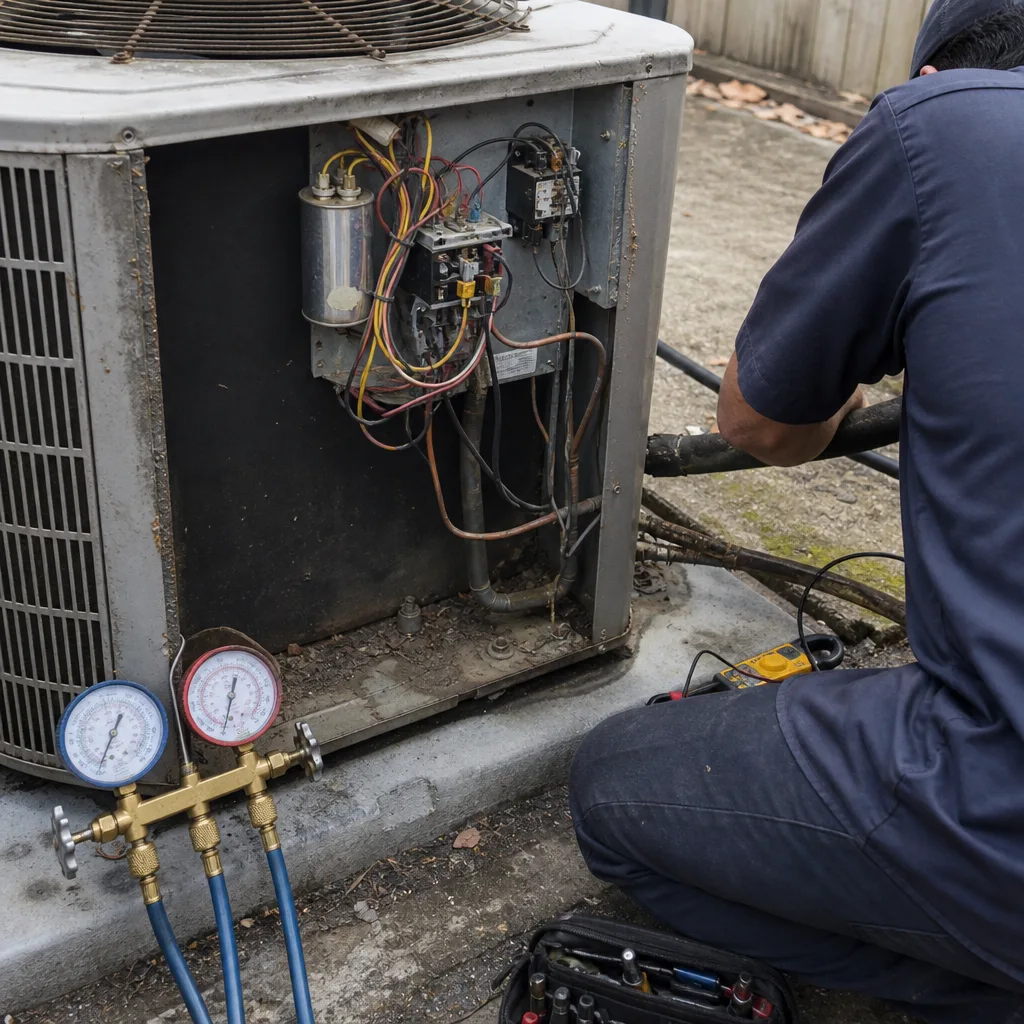 Before
 After
 Before
 After
 Before
 After
When to Call a Professional
Some HVAC work is genuinely dangerous to attempt. Electrical components, refrigerant handling, and gas connections on a furnace all require a licensed technician, and the risk of injury or a voided warranty is real. Call a professional when your system has stopped cooling or heating entirely, when you smell gas near the furnace, when the breaker trips repeatedly, or when the diagnosis points to a failed compressor or a refrigerant leak. Call us at Carrollton AC Repair for a free estimate in Carrollton if you’re weighing repair versus replacement. Call (855) 759-1429. We answer 24/7. Fast dispatch from 7am to 7pm, Sunday through Friday. Our technicians have up to experience and will diagnose the actual failed component before quoting anything.
Frequently Asked Questions
Ask the contractor for their TDLR license number and verify it on the Texas Department of Licensing and Regulation website before work begins. Confirm the license is active, not expired or suspended, and check the complaint history for patterns. Then ask for a certificate of insurance. A legitimate contractor provides all of this without hesitation.
Get two or three quotes, but only from contractors who’ve passed the license and technical question screens first. Comparing three quotes from unvetted contractors is not a real comparison, it’s a coin flip. Compare itemized quotes from contractors who’ve diagnosed the system properly, and you’ll see the actual differences between them.
Brand matters because a contractor who works across many brands knows the common failure points for each, while a single-brand dealer may struggle with yours. If your home has an American Standard system and the contractor primarily handles Carrier, every future service call starts with a knowledge gap. We service nine major brands, including Daikin, Bryant, and American Standard, so diagnosis starts from familiarity, not from looking it up.
A proper Carrollton HVAC quote includes exact equipment model numbers, permit responsibility, warranty terms in writing, a list of what gets replaced and what stays, disposal and cleanup, and a payment schedule. A quote with a total and a single sentence is not a scope of work. Ask for the breakdown before signing anything.
You can, but understand the trade-off. A single-brand dealer has deep knowledge of one manufacturer and a built-in incentive to recommend that manufacturer’s equipment when repair and replacement are both options. If your existing system is a different brand, ask directly whether they service it before you call. A brand-neutral contractor gives you repair and replacement costs side by side.
Replacement work is load-calculated, ordered, and scheduled rather than done on the spot, because it depends on equipment arrival and a proper sizing calculation. Expect the written fixed price and install date up front, with the actual installation scheduled once equipment is confirmed. Call (855) 759-1429 to schedule a free estimate and get a set install date.
The Bottom Line
Hiring an HVAC contractor in Carrollton comes down to sequencing. Verify licensing and complaint history first, ask the five technical questions before accepting any quote, identify whether you’re talking to a single-brand dealer, and require a written scope with model numbers and permit language. Then read the quote line by line to separate equipment cost from labor and padding. A contractor who names the failed component before quoting replacement, services your brand rather than steering you to theirs, and puts everything in writing is the one to hire. Price matters, but it comes last.
If you’re ready to move from research to a real diagnosis, Carrollton AC Repair offers free estimates in Carrollton. Call (855) 759-1429. We answer 24/7. Fast dispatch from 7am to 7pm, Sunday through Friday. Our technicians have up to experience and will explain exactly what’s failing before you spend a dollar.
Written by the team at Carrollton AC Repair.